
Pennsylvania Pittsburgh Botanical Garden: 2026 Seasonal Escape
Pittsburgh's acclaimed botanical garden unveils rotating seasonal flower displays and immersive tropical collections in 2026. Digital nomads discover a serene cultural retreat in this historic glasshouse oasis nestled downtown.

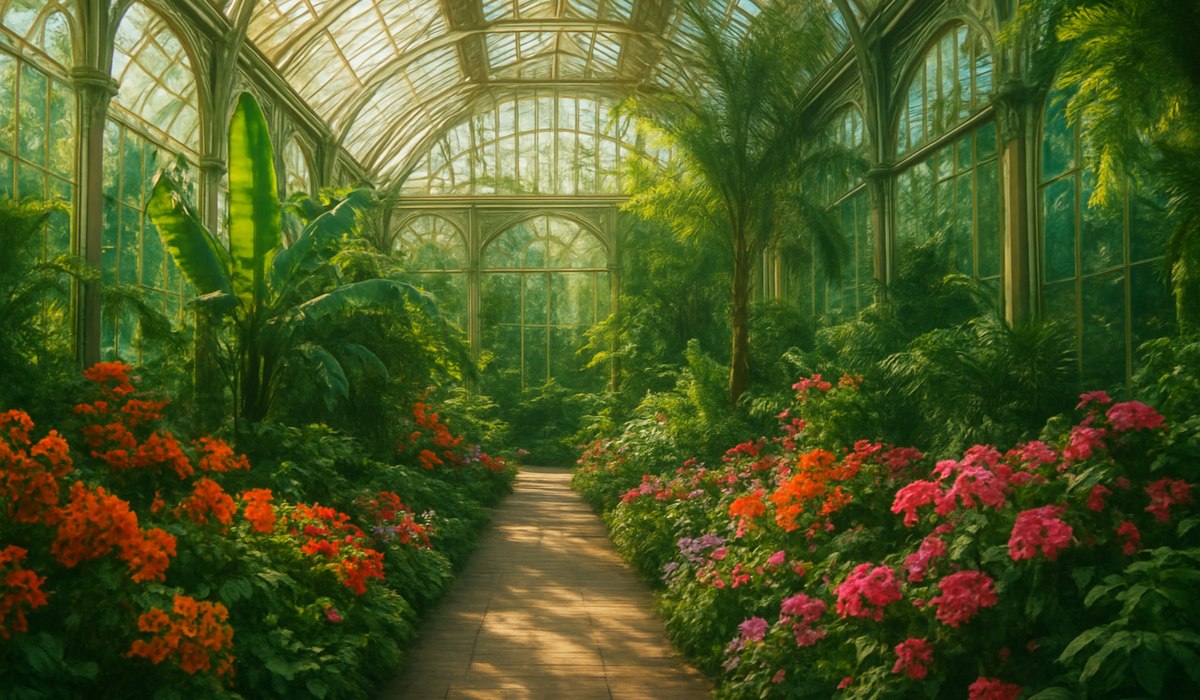
Image generated by AI
A Hidden Cultural Gem Awaits Remote Professionals
Pittsburgh's historic botanical garden opens its doors as an unexpected sanctuary for location-independent professionals seeking respite from workday routines. This iconic Pennsylvania Pittsburgh botanical destination features year-round rotating flower exhibitions, tropical plant conservatories, and curated indoor gardens that transport visitors across continents without leaving downtown's vibrant cultural district. The sprawling glasshouse complex, renovated to modern standards, combines Victorian-era architecture with contemporary horticulture practices, making it an ideal afternoon escape for digital nomads balancing productivity with wellness.
A Historic Glasshouse Oasis in Downtown Pittsburgh
Pittsburgh's botanical garden traces its roots to the early 20th century, when civic leaders envisioned creating an accessible horticultural space for the entire community. The centerpiece remains a stunning Victorian glasshouse complex that has weathered industrial-era transformations and emerged as an architectural landmark. Today, the facility encompasses multiple greenhouse pavilions, each maintaining distinct climates to support specialized plant ecosystems.
The garden's downtown location places it within walking distance of boutique coffee shops, co-working spaces, and accommodation options favored by remote workers. The glasshouse architecture itself becomes an immersive experience—natural light streams through original glass panels, creating cathedral-like atmospheres within each thematic section. Seasonal temperature adjustments ensure year-round comfort while preserving authentic growing conditions for exotic species.
For more insights into Pittsburgh's cultural attractions, explore the Pittsburgh Arts & Leisure District Guide highlighting complementary attractions within the neighborhood.
Seasonal Flower Shows and Rotating Displays
The Pennsylvania Pittsburgh botanical garden maintains a dynamic exhibition calendar that changes with Pennsylvania's four distinct seasons. Spring brings vibrant tulip festivals, summer showcases native wildflower collections, autumn features chrysanthemums and ornamental grasses, while winter presents poinsettias and seasonal holiday floral installations.
Each rotating display undergoes meticulous curation by experienced horticulturists who collaborate with regional botanical institutions. Recent exhibits have featured orchid showcases, succulent demonstrations, and endangered native plant preservation initiatives. The garden's commitment to educational programming means visitors encounter interpretive signage explaining botanical families, pollination strategies, and climate adaptation mechanisms.
Digital nomads particularly appreciate the garden's weekday morning hours, when crowds remain minimal and natural light provides optimal photography conditions. Many remote professionals structure weekly visits as a productive break—working outdoors in the temperate glasshouse environment while absorbing visual inspiration from meticulously arranged plant specimens.
Curated Plant Collections and Immersive Indoor Gardens
Beyond seasonal exhibitions, the Pennsylvania Pittsburgh botanical garden maintains permanent collections spanning five continental regions. The tropical conservatory houses exotic species from Southeast Asian rainforests, South American cloud forests, and African savannas. Temperature-controlled environments preserve delicate orchids, fragrant gardenias, and towering palms that create immersive jungle atmospheres.
The desert pavilion showcases drought-resistant specimens including rare cacti species, succulent arrangements, and stone plants adapted to arid conditions. The humid fern grotto replicates misty temperate forests, featuring ancient fern varieties that predate flowering plants by millions of years. Each environment incorporates authentic substrate compositions, humidity levels, and lighting systems that mimic natural habitats.
Interactive elements throughout the garden enhance visitor engagement—QR codes link to detailed botanical information, touch-friendly displays invite sensory exploration, and seasonal workshops teach propagation techniques. Professional gardeners offer guided tours explaining ecosystem relationships, sustainable horticulture practices, and urban environmental benefits.
For extended nature-based retreats, consider reading our guide on Nomad-Friendly Parks and Green Spaces in Pennsylvania, which complements botanical garden exploration with regional hiking opportunities.
Planning Your Visit as a Digital Nomad
Operational hours span from 9 AM to 5 PM daily, with extended evening hours during summer months. General admission ranges from $12–$18 depending on age and membership status, while annual passes offer excellent value for location-independent professionals planning extended Pittsburgh stays. The garden provides covered outdoor seating, WiFi-equipped café facilities, and climate-controlled indoor workspaces suitable for laptop work between garden exploration.
Accessibility features include wheelchair-accessible pathways throughout main pavilions, accessible restrooms, and adaptive garden tours upon advance request. Parking facilities and nearby public transportation (the T light rail system) ensure convenient arrival without vehicle ownership requirements—ideal for nomadic professionals using short-term rental accommodation.
Spring through fall represents peak visiting season, with April-May offering exceptional bloom displays and comfortable temperatures. Winter visits provide quieter experiences with holiday installations that appeal to photographers and minimalist aesthetic enthusiasts.
Key Visitor Information Table
| Aspect | Details |
|---|---|
| Location | Downtown Pittsburgh, Schenley Park vicinity |
| Operating Hours | 9 AM–5 PM daily (extended summer hours) |
| General Admission | $12–$18 per person |
| Annual Membership | $60–$120 (includes reciprocal benefits) |
| Botanical Collections | 5,000+ plant species across 8 pavilions |
| WiFi Availability | Café and main pavilion areas |
| Wheelchair Accessible | Yes, main pathways and exhibits |
| Parking Options | On-site lot + nearby street parking |
| Photography Policy | Personal use permitted, no commercial shoots |
| Peak Seasons | April–May (spring) and September–October (fall) |
What This Means for Travelers
Remote professionals and digital nomads can integrate Pittsburgh's botanical garden into sustainable travel routines through intentional planning:
-
Schedule Weekly Wellness Visits — Block calendar time for mid-week garden exploration when facilities remain uncrowded, creating affordable mental health breaks from screen time.
-
Leverage Membership Discounts — Extended Pittsburgh stays justify annual membership purchases, reducing per-visit costs while supporting horticultural conservation efforts.
-
Combine Cultural Programming — Attend seasonal workshops, botanical lectures, and guided tours that deepen environmental knowledge while building local community connections.
-
Maximize Photography Opportunities — Morning visits before 11 AM provide optimal natural lighting for content creation, social media updates, and personal documentation projects.
-
Utilize Climate-Controlled Workspace — During Pennsylvania's extreme weather seasons, the temperate garden environment offers alternative co-working environments with inspiring natural surroundings.
Frequently Asked Questions
Can I bring my laptop and work inside the botanical garden?
Yes, the café pavilion and main entrance areas provide seating suitable for laptop work. WiFi connectivity covers these public zones. However, respect visitor experiences by maintaining quiet productivity and avoiding video calls in shared spaces.
What is the best time to photograph the Pennsylvania Pittsburgh botanical garden?
Spring months (April-May) deliver peak bloom conditions and vibrant colors. Morning hours before 11 AM provide diffused natural light without harsh shadows. Autumn displays offer warm foliage tones ideal for landscape photography.
Are pets allowed inside the botanical garden?
Service animals remain permitted throughout all areas. Companion pets are restricted to outdoor grounds only. Check current policies on the garden's official website before arrival.
How long does a typical botanical garden visit require?
Allow 2–3 hours for comprehensive exploration of all pavilions. Focused visits to specific collections require 45–60 minutes. Many returning visitors maintain 90-minute visit routines as their preferred routine.
Related Travel Guides
Disclaimer
This article is for informational and educational purposes only. It does not constitute legal, financial, or professional advice. While we strive to provide accurate and up-to-date information, travel policies, regulations, and conditions change rapidly. Always verify information with official sources before making travel decisions. Nomad Lawyer makes no representations about the accuracy, reliability, completeness, or suitability of the information provided. Readers should consult qualified professionals for advice specific to their circumstances. The views expressed in this article are those of the author and do not necessarily reflect the views of Nomad Lawyer.
Preeti Gunjan
Contributor & Community Manager
A passionate traveller and community builder. Preeti helps grow the Nomad Lawyer community, fostering engagement and bringing the reader experience to life.
Learn more about our team →