
Palm Coast Florida: Championship Golf, Hidden Beaches & Scenic Parks Between St. Augustine and Daytona in 2026
Palm Coast emerges as Florida's most underrated East Coast escape, blending Jack Nicklaus golf courses, uncrowded Atlantic beaches, and pristine nature preserves between St. Augustine and Daytona Beach.

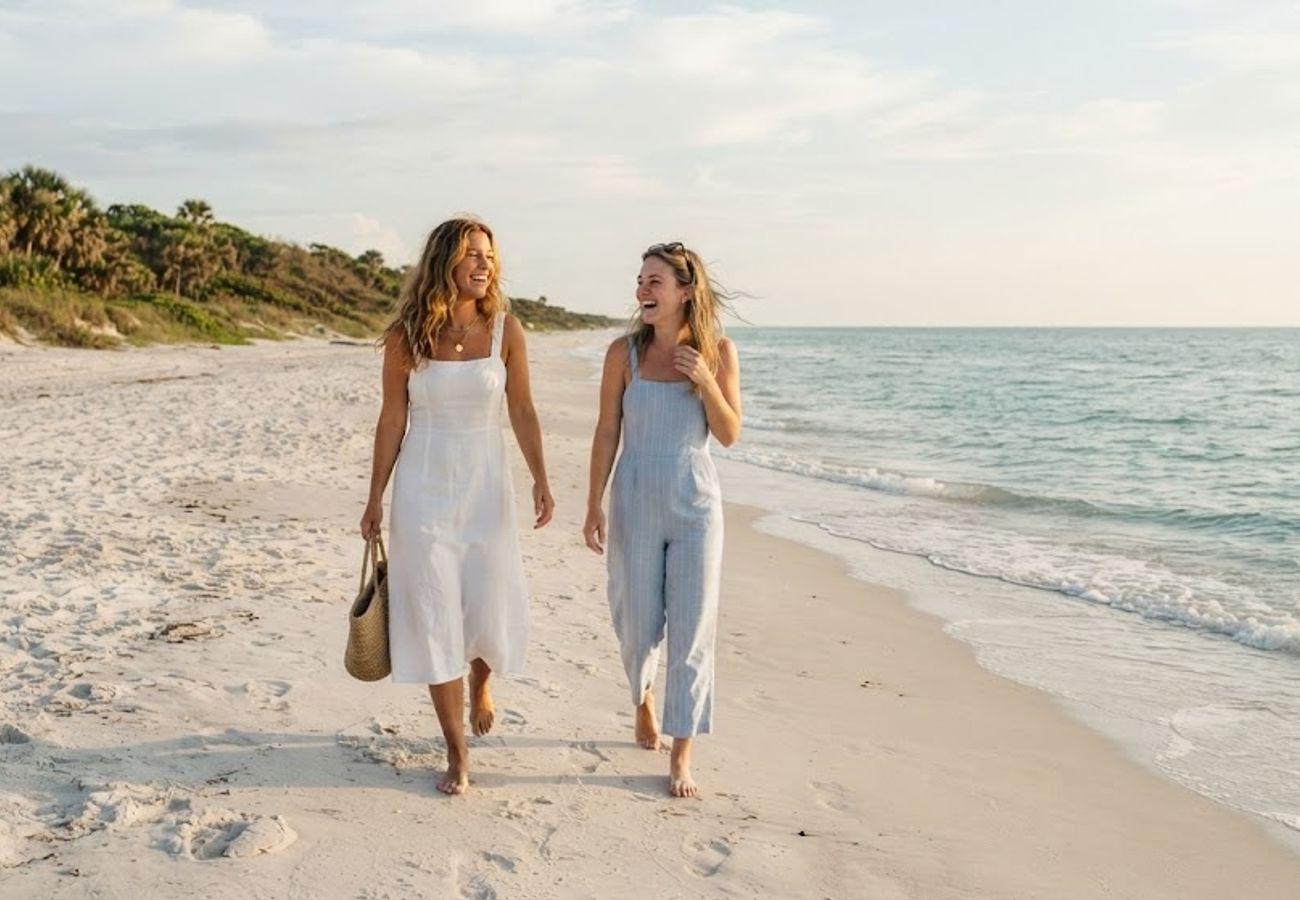
Image generated by AI
Palm Coast Emerges as Florida's Best-Kept East Coast Secret
Palm Coast is quietly reshaping Florida's coastal travel landscape. Nestled between the colonial charm of St. Augustine and the vibrant beaches of Daytona Beach, this understated community in Flagler County has begun attracting travelers exhausted by overcrowded resort destinations and theme park chaos.
What makes this shift remarkable? Palm Coast delivers the complete Florida experience—world-class golf, pristine Atlantic shoreline, state-park majesty, and waterfront recreation—without the commercial crush that plagues Miami, Clearwater, and Pensacola.
Reddit: "Palm Coast is what Florida used to be before the mega-resorts took over. Less crowded, better golf, actual peace and quiet." — r/FloridaTravel
Nearly 20 miles of Atlantic coastline, coupled with an extensive canal network and the scenic Matanzas River, create a rare equilibrium between luxury and authenticity. Whether you're a golfer chasing championship fairways, a beachcomber hunting coquina shells, or a nature photographer tracking dolphins at dawn, Palm Coast delivers without overwhelming your senses or draining your budget.
Championship Golf: Where Legends Shaped Florida's Coastline
Palm Coast has positioned itself as one of Florida's premier golfing destinations—a status built on genuine design excellence rather than marketing hype.
The centerpiece is Hammock Beach Golf Resort & Spa, home to two championship 18-hole courses that couldn't be more different in philosophy. The Ocean Course, designed by Jack Nicklaus himself, features six rare oceanfront holes with unobstructed Atlantic views. This isn't typical Florida resort golf; these holes rise and fall with genuine topography while the Atlantic provides both inspiration and intimidation.
The Conservatory Course, designed by Tom Watson, takes the opposite approach. Rolling fairways, extensive bunkering, and a layout inspired by traditional British links golf create a completely distinct challenge. If the Ocean Course is theatrical, the Conservatory is architectural.
Public players needn't feel left out. Palm Harbor Golf Club, Cypress Knoll Golf Club (designed by Gary Player), and several other quality facilities offer championship-level play without resort pricing. For those willing to drive 60 miles south, TPC Sawgrass near Jacksonville remains accessible for tournament-level enthusiasts.
The golfing infrastructure here rivals destinations charging triple the rates.
Underrated Atlantic Beaches: Swimming Without the Crowds
This is where Palm Coast's competitive advantage becomes visceral.
Varn Park stands as the region's anchor beach facility—soft sand interspersed with the distinctive coquina rock formations that define this coastline. Parking, restrooms, and outdoor showers provide day-tripper convenience, while the absence of high-rise resorts preserves sight lines toward open ocean.
Swimming, beachcombing, shell collecting, and sunrise photography dominate the activity list. Unlike Miami's lifeguard-heavy, monitored beaches, Palm Coast's shoreline rewards independent exploration. The trade-off: observe ocean safety conditions carefully, as not all beach areas maintain seasonal lifeguard supervision.
Flagler Beach, immediately adjacent, adds restaurants, fishing piers, and a walkable downtown atmosphere that Palm Coast itself lacks. Jungle Hut Park and Old Salt Park offer additional shoreline access for those seeking specific experiences—surfing, kayak launches, or solitary contemplation.
The fundamental truth: you'll find parking without circling for 20 minutes. You'll find sand without stepping over beach umbrellas. You'll find peace.
Washington Oaks Gardens State Park: Where Geology Meets Landscaping
This 425-acre park might be Florida's most architecturally interesting coastal state park—and that's a bold claim in a state saturated with nature preserves.
The shoreline showcases ancient coquina rock formations sculpted over centuries. During low tide, these rocky shelves create shallow pools where tide-pool enthusiasts observe starfish, sea urchins, and small fish without wading far offshore. The photography here is legitimately exceptional; those Instagram-worthy coastal landscape shots? They happen naturally at Washington Oaks.
Inland, formal gardens stretch across manicured acreage—towering live oaks, flowering perennials, fountain-centered walkways, and shaded picnic areas create a deliberately designed counterpoint to the raw geology along the shoreline. This duality—wild Atlantic coquina meeting cultivated gardens—defines the park's unique appeal.
Hiking, cycling, kayaking, birdwatching, and river fishing expand recreational options throughout the preserve. The Matanzas River side provides canoe launch points for eco-tours tracking dolphins, manatees, ospreys, and migratory warblers.
According to Florida State Parks data, Washington Oaks Gardens attracts over 200,000 annual visitors—a fraction of the crowds at comparable parks.
Waterways, Trails, and Wildlife Beyond the Beach
The Matanzas River and Palm Coast's engineered canal network transform inland recreation into a legitimate draw.
Kayaking and paddleboarding through brackish waterways creates authentic eco-tour experiences. Paddlers regularly encounter Atlantic bottlenose dolphins, West Indian manatees, ospreys, brown pelicans, and seasonal migratory species. The calm water contrasts sharply with ocean conditions, making multi-hour exploration feasible even for novice paddlers.
Paved cycling trails connect neighborhoods, waterfront parks, and scenic overlooks—infrastructure that separates Palm Coast from beach towns where cycling means highway shoulder navigation. Anglers access fishing from riverbank piers, surfside spots, and offshore charter vessels.
These experiences remain weather-dependent but accessible year-round, particularly during spring and autumn when Florida's oppressive humidity retreats.
Accessibility: Interstate 95 and Regional Airport Advantages
Palm Coast's location advantage often gets overlooked in travel writing.
The community sits directly off Interstate 95, providing straightforward road access from Jacksonville (90 minutes north), Orlando (90 minutes west), Daytona Beach (45 minutes south), and St. Augustine (35 minutes south). This positions Palm Coast as either a destination unto itself or a logical overnight stop for coastal road-trip itineraries.
Daytona Beach International Airport serves as the primary gateway, while Jacksonville International Airport provides additional flight options. Neither airport rivals major hubs, but both offer domestic and select international flight options without Miami International's chaos.
Best Times to Visit: Seasonal Weather Windows
Spring (February–April) offers ideal conditions—temperatures ranging 65–78°F, minimal rainfall, and uncrowded golf courses. Wildflowers bloom across state parks; migratory birds arrive in force.
Fall (September–November) mirrors spring's appeal, with similar temperatures and historically fewer crowds than peak winter months.
Winter (December–January) attracts cold-weather escapees with mild 55–70°F conditions suitable for outdoor recreation without summer humidity. Summer remains viable for beach vacations, though afternoon thunderstorms and 85°F+ temperatures present trade-offs.
Why Palm Coast Is Reshaping Florida's Coastal Travel
Palm Coast succeeds where it deliberately avoids competing. The destination doesn't promise nightlife rivaling Miami, theme parks matching Orlando, or convention facilities paralleling Tampa. Instead, it delivers something increasingly rare in 21st-century Florida tourism: unrushed coastal living paired with championship-level recreation.
Golfers find legitimately challenging courses. Beachcombers find actual shells. Kayakers find actual dolphins. Cyclists find actual bike paths.
The crowds that made Florida famous for tourism—and infamous for mediocre experiences—simply haven't arrived. Whether this represents opportunity or inevitable future remains unclear. For travelers visiting in 2026, however, Palm Coast remains one of the Atlantic Coast's most rewarding underutilized destinations.
Pack light, book early, and experience the Florida coast before everyone else figures it out.
Related Travel Guides
Disclaimer
This article is for informational and educational purposes only. It does not constitute legal, financial, or professional advice. While we strive to provide accurate and up-to-date information, travel policies, regulations, and conditions change rapidly. Always verify information with official sources before making travel decisions. Nomad Lawyer makes no representations about the accuracy, reliability, completeness, or suitability of the information provided. Readers should consult qualified professionals for advice specific to their circumstances. The views expressed in this article are those of the author and do not necessarily reflect the views of Nomad Lawyer.
Preeti Gunjan
Contributor & Community Manager
A passionate traveller and community builder. Preeti helps grow the Nomad Lawyer community, fostering engagement and bringing the reader experience to life.
Learn more about our team →