
Ottawa Reaches New Tourism Heights as Summer Hotel Demand Surges
Ottawa's summer hotel demand and visitor interest reach new heights, driving growth across cultural attractions and local businesses in Canada's capital.

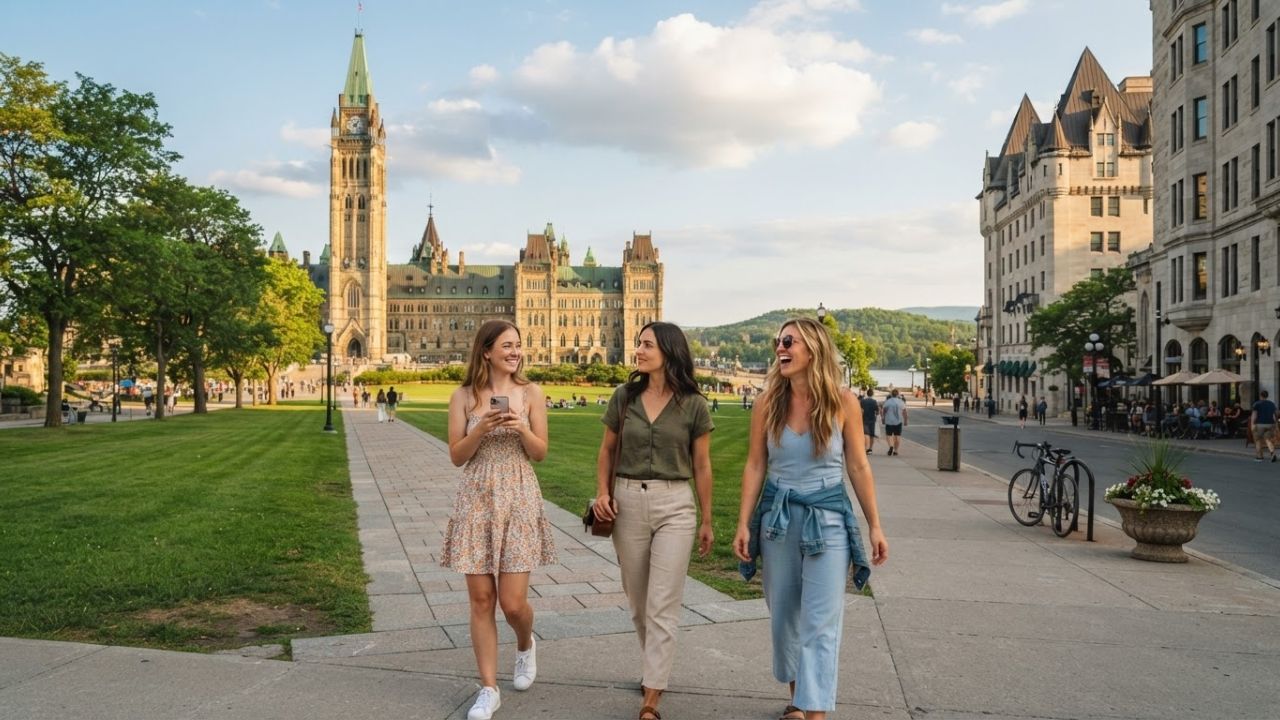
Image generated by AI
A strong surge in summer hotel demand has propelled Ottawa’s tourism sector to new heights, signaling a robust economic recovery for Canada’s capital. The positive performance of the hospitality industry is driving visitor spending across local restaurants, cultural attractions, and community businesses throughout the National Capital Region.
Summer Hotel Demand Propels Ottawa's Hospitality Growth
Hotels across the city are reporting positive demand for summer accommodations, reflecting growing confidence among travelers and local tourism operators. Canada's capital is welcoming a steady stream of domestic and international visitors who arrive to explore national landmarks, attend seasonal festivals, and experience regional outdoor activities. Tourism officials point to this increased accommodation demand as a key barometer of wider regional growth.
The positive trend in lodging occupancy does not simply benefit hoteliers; the economic ripple effects support a wide network of local transport operators, licensed guides, and independent merchants. Statistics Canada has consistently pointed to the accommodation and food service index as a primary indicator of national tourism performance, and Ottawa's summer results align with a broader stabilization of visitor confidence across Ontario.
By offering a diverse mix of historical sights, natural areas, and interactive entertainment, the city is successfully attracting a broad profile of travelers, including families, business delegates, and outdoor enthusiasts.
Capital Heritage: Museums and Landmarks Fueling Visitor Interest
Ottawa’s primary tourism driver remains its wealth of cultural institutions and historic landmarks. The majestic Parliament Hill, situated overlooking the Ottawa River, serves as the geographic and historical heart of the visitor experience. Surrounding this landmark, world-class national museums provide travelers with educational exhibits that highlight Canada's history, artistic achievements, and scientific innovations.
Across the river in neighbouring Gatineau, the Canadian Museum of History remains one of the country's most visited cultural attractions, offering deep insights into indigenous heritage. Meanwhile, the National Gallery of Canada and the Canada Aviation and Space Museum provide specialized exhibitions that encourage travelers to extend their stays in the capital.
During the warmer months, the Rideau Canal—a UNESCO World Heritage Site—transforms from a winter skating rink into a scenic waterway for boating, kayaking, and waterside dining. The integration of these heritage landmarks with local tours helps visitors navigate the city's history while directly supporting the cultural organizations that preserve these national assets.
Supporting Local Merchants and Balancing Sustainable Growth
Sustainable destination management is central to Ottawa's long-term tourism strategy. The National Capital Commission (NCC) and local municipal bodies focus on preserving the city's extensive green spaces, parks, and waterfront pathways. By promoting low-impact activities like walking tours, paddleboarding, and cycling along the capital's 800 kilometers of multi-use pathways, local planners aim to minimize the environmental footprint of visitor traffic.
This sustainable focus extends to the direct support of local economies and community businesses. Rather than relying solely on large corporate chains, Ottawa's tourism organizations actively promote independent boutiques, local craft breweries, and family-owned restaurants in the historic ByWard Market and Wellington West neighborhoods. Visitors are encouraged to purchase locally made goods, keeping tourism dollars within the regional community.
Additionally, community-led cultural initiatives, including farmers' markets and neighbourhood festivals, provide travelers with authentic local connections while ensuring that the benefits of tourism are shared equitably across the city's diverse communities.
Visitor Insider Guide: Navigating Canada's Capital Region
To help travelers make the most of their visit while supporting the destination responsibly, local specialists recommend the following practical tips:
- Best Travel Windows: While summer offers the highest concentration of outdoor festivals, visiting during the shoulder weeks of September provides pleasant temperatures, beautiful autumn foliage in Gatineau Park, and shorter lines at national museums. To experience the famous Canadian winter, plan a trip in late January or February to skate on the Rideau Canal.
- Cultural Etiquette: Ottawa is a bilingual capital. While English is the primary language spoken, starting interactions with a friendly "Bonjour" or "Hello" is highly appreciated, particularly when visiting shops and cafes in Gatineau on the Quebec side of the river. Remember to dress respectfully when entering active government buildings or national memorials.
- Traditional Gastronomy: No trip to Ottawa is complete without tasting a warm BeaverTails pastry—a hand-stretched fried dough topped with cinnamon and sugar—in the ByWard Market. Follow this with a traditional French-Canadian poutine (french fries topped with fresh cheese curds and hot gravy) or explore the local farm-to-table culinary scene in the Westboro neighborhood.
- Under-the-Radar Stops: For a panoramic view of the Ottawa River without the crowds of Parliament Hill, walk to the public park behind the Supreme Court of Canada. Alternatively, make a short trip west of the city to explore the Diefenbunker, a massive underground Cold War bunker that has been converted into an award-winning museum.
Economic Recovery Across the Hospitality Supply Chain
The economic benefits of increased visitor occupancy flow deep into the regional supply chain. As hotels report higher booking numbers, demand increases for local agricultural suppliers, laundry services, event coordinators, and maintenance businesses. This interconnectedness makes tourism a primary driver of employment across the hospitality sector.
To sustain this growth, regional tourism organizations have focused on collaborative packaging, linking museum passes, hotel stays, and dining discounts. These initiatives encourage visitors to explore multiple neighborhoods, shifting traffic from congested landmarks and distributing economic benefits to suburban and rural communities.
As travel habits continue to adapt, the city's ability to offer high-quality services and seamless connections remains key to securing repeat visits and attracting new international travelers.
Destination Planning and the Long-Term Capital Outlook
The positive summer performance provides a solid foundation for future investments in the capital's tourism infrastructure. Public transit expansions, including improvements to the light rail transit network, are designed to make the city more accessible for car-free travelers, further reducing emissions and easing road congestion in historic districts.
Ultimately, Ottawa's future growth depends on maintaining a balance between welcoming visitors, protecting historical assets, and supporting local communities. By focusing on sustainable practices and diversifying seasonal offerings, the city is well-positioned to strengthen its reputation as a leading Canadian destination.
Related Travel Guides
Disclaimer
This article is for informational and educational purposes only. It does not constitute legal, financial, or professional advice. While we strive to provide accurate and up-to-date information, travel policies, regulations, and conditions change rapidly. Always verify information with official sources before making travel decisions. Nomad Lawyer makes no representations about the accuracy, reliability, completeness, or suitability of the information provided. Readers should consult qualified professionals for advice specific to their circumstances. The views expressed in this article are those of the author and do not necessarily reflect the views of Nomad Lawyer.
Raushan Kumar
Founder & Lead Developer
Full-stack developer with 11+ years of experience and a passionate traveller. Raushan built Nomad Lawyer from the ground up with a vision to create the best travel and law experience on the web.
Learn more about our team →