
Orlando Flight Disruptions Cascade Across U.S. Network in April 2026
Orlando International Airport's 198 delays and 9 cancellations on April 7, 2026 created ripple effects across major U.S. hubs, stranding thousands of connecting passengers and affecting JetBlue, Southwest, and Spirit operations nationwide.

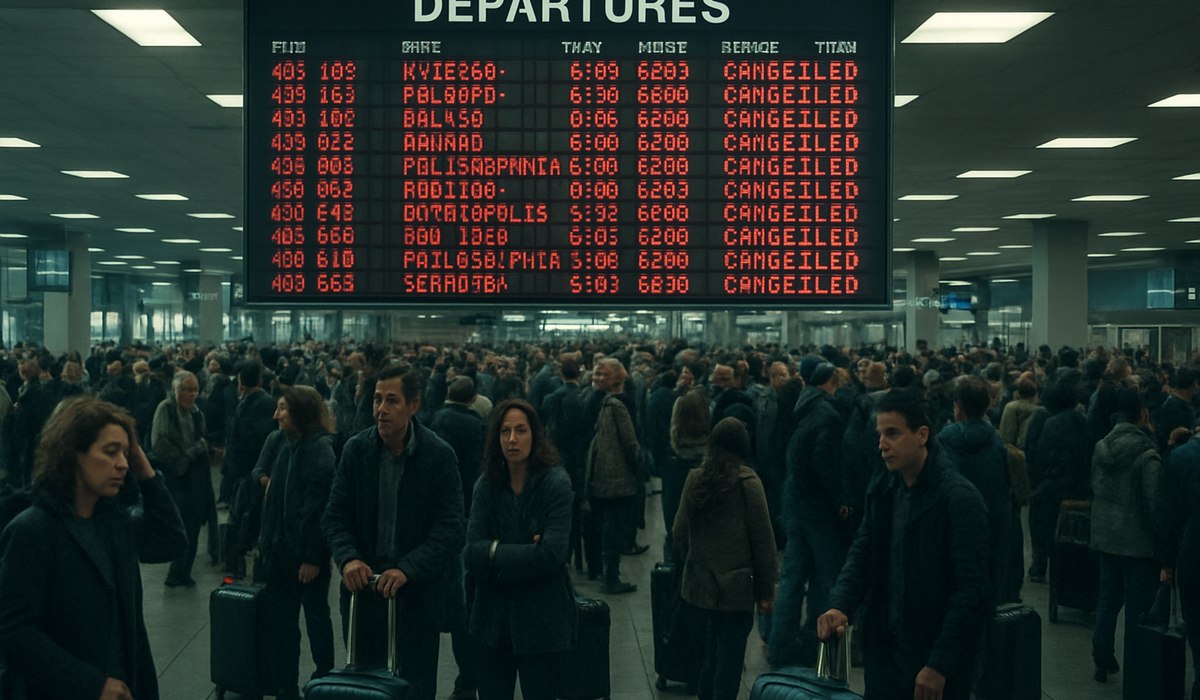
Image generated by AI
Orlando Airport Delays Trigger Nationwide Knock-On Effects
Orlando International Airport recorded 198 flight delays and 9 cancellations on April 7, 2026, creating a cascading effect that reverberated across the entire U.S. aviation network. Thousands of connecting passengers faced missed flights, extended layovers, and rebooking challenges as the disruption spread to major hubs including Atlanta, Dallas, Boston, and Chicago. The concentrated disruptions during peak travel windows amplified congestion at gates and customer service counters, straining resources across multiple carriers and airports.
The ripple effect from Orlando flight disruptions extended far beyond central Florida's terminals. Aircraft arriving late from congested Florida gateways were held at other airports, while crews and planes scheduled for subsequent legs operated behind schedule. This domino effect meant that delays originating in Orlando ultimately impacted flight operations in secondary markets hundreds of miles away, demonstrating how modern aviation networks amplify localized disruptions into nationwide consequences.
Cascade Effect: How Florida Disruptions Grounded Cross-Country Flights
When Orlando flight disruptions occur during peak travel periods, the consequences multiply exponentially across the interconnected U.S. network. Aircraft scheduled to depart Orlando on time become trapped behind inbound flights running late from other congested regions. Crews required for subsequent legs miss their assignments, forcing airline schedulers to reassign equipment and personnel at the expense of downstream operations.
The April 7 disruptions illustrated this cascade mechanism perfectly. A delayed arrival from a secondary market meant that Orlando-based aircraft couldn't turn around quickly enough for their next scheduled departure. That subsequent delay then rippled outward to connecting hubs, where passengers missed onward flights and airlines scrambled to rebook them on later departures. The compression of connection windows during peak hours meant fewer alternative routings existed, forcing some travelers to endure overnight stays or significant schedule adjustments.
Weather, staffing constraints, and aircraft rotation issues compounded the problem on April 7. When multiple variables align unfavorably, even moderate-sized disruptions cascade into major network events. Historical FAA data shows that 15-20% of daily delays stem from connections to other delayed flights, making hub recovery critical to overall network stability. Orlando's strategic position on routes linking Florida leisure destinations to northeastern and midwestern business centers meant its disruptions affected high-value corporate and vacation travelers simultaneously.
Carriers Affected: JetBlue, Southwest, Spirit and Beyond
JetBlue Airways, which operates substantial Orlando schedules particularly for northeast routes to Boston and New York, experienced significant disruptions on April 7. The carrier's heavy reliance on point-to-point service means delays cascade more visibly than at legacy hub-and-spoke operators. Late inbound arrivals from other disrupted airports constrained ground times, reducing flexibility to absorb schedule changes and limiting crew rest compliance options.
Southwest Airlines maintained a major presence at Orlando with connections to Dallas, Atlanta, and multiple Midwestern cities. While Southwest historically reports lower annual cancellation rates than some competitors, the sheer volume of April 7 delays underscored vulnerability when multiple network hubs face simultaneous operational challenges. The carrier's high-frequency scheduling model means compressed recovery windows when disruptions occur.
Spirit Airlines, operating low-cost high-density services from Orlando to Boston, Dallas, and numerous secondary markets, recorded meaningful shares of delayed and cancelled flights. Budget carriers' lean staffing and minimal schedule buffers make them particularly sensitive to external disruptions. Tight turnaround times leave zero margin for handling unexpected gate delays or equipment issues.
Regional carriers and other major operators including American, Delta, and United also experienced knock-on effects, though their larger networks and more distributed scheduling provided somewhat greater absorption capacity. However, any carrier with significant Orlando operations faced challenges on April 7 as gate availability, ground crew resources, and airspace congestion created bottlenecks throughout the afternoon and evening.
Missed Connections and Tighter Margins: The Traveler Impact
Thousands of connecting passengers faced consequences ranging from tight margin connections to complete overnight rebookings. Travelers arriving in Orlando from other disrupted hubs often found their onward flights already delayed or cancelled. Those with tight connections of 45-60 minutes discovered that equipment delays consumed their buffer entirely, forcing rebookings on flights departing 4-6 hours later.
The April 7 disruptions fell during peak spring travel season, when leisure passengers heading to Caribbean and Florida destinations competed for capacity with business travelers. This timing amplified the rebooking challenge, as evening and next-morning flights filled rapidly. Passengers rebooked on flights two days later faced hotel and meal expenses that airlines sometimes covered but increasingly disputed based on contract language.
Customer service queues at Orlando grew to multi-hour waits as agents managed rebookings, accommodation arrangements, and refund eligibility inquiries. Mobile app-based rebooking often failed due to capacity constraints and system lag, forcing passengers to queue in person. Passengers with status or premium tickets sometimes received priority rebooking, while economy passengers waited significantly longer for assistance.
| Metric | April 7, 2026 | Context |
|---|---|---|
| Orlando Delays | 198 | Concentrated during peak hours |
| Orlando Cancellations | 9 | Approximately 1.4% of daily movements |
| Primary Affected Carriers | JetBlue, Southwest, Spirit | Multiple others experienced secondary effects |
| Peak Disruption Window | Afternoon-Evening | High-demand travel period |
| Affected Major Hubs | Atlanta, Dallas, Boston, Chicago | Secondary cascading delays |
| Passengers Affected | Thousands | Primarily connecting passengers |
| Network Recovery Time | 18-24 hours | Complete stability not achieved same-day |
What This Means for Travelers: Your Action Checklist
When Orlando flight disruptions occur or similar hub-level incidents develop, proactive travelers should follow these steps:
-
Monitor real-time flight status using FlightAware or your airline's app at least 2-3 hours before departure, particularly for connecting flights through major hubs.
-
Review airline change policies immediately upon notification of delays. Current U.S. Department of Transportation rules require free rebooking on the next available flight, but earlier understanding prevents confusion during high-stress customer service interactions.
-
Request proactive rebooking before your connection becomes impossible. Airlines often rebook passengers voluntarily when disruptions approach, securing better routing options than waiting until your original flight becomes unrecoverable.
-
Document all communications including airline email responses, text notifications, and customer service reference numbers for potential compensation claims.
-
Understand meal and accommodation rights under Department of Transportation regulations, which mandate airline coverage for meals during certain delay windows and hotels when overnight stays become necessary due to airline-caused disruptions.
-
Check travel insurance coverage for missed connections, which vary significantly based on policy type and whether disruptions qualify as force majeure events versus operational failures.
Frequently Asked Questions
What caused Orlando airport's 198 delays and 9 cancellations on April 7, 2026?
The specific root cause combined weather, staffing constraints, and aircraft rotation challenges at Orlando and connecting hubs. Late-arriving aircraft from other disrupted airports prevented timely turnarounds, and crews required for subsequent legs experienced schedule conflicts. Such concentrated disruptions typically reflect multiple minor issues aligning simultaneously rather than single catastrophic events.
How do Orlando disruptions affect flights to cities like Boston and Dallas?
Aircraft delayed in Orlando miss subsequent scheduled departures to Boston and Dallas, forcing rescheduling of those flights or crew reassignments. Passengers booked through Orlando experience cascading delays, while new passengers assigned to replacement aircraft sometimes endure longer waits. The effect is particularly acute on point-to-
Disclaimer
This article is for informational and educational purposes only. It does not constitute legal, financial, or professional advice. While we strive to provide accurate and up-to-date information, travel policies, regulations, and conditions change rapidly. Always verify information with official sources before making travel decisions. Nomad Lawyer makes no representations about the accuracy, reliability, completeness, or suitability of the information provided. Readers should consult qualified professionals for advice specific to their circumstances. The views expressed in this article are those of the author and do not necessarily reflect the views of Nomad Lawyer.
Preeti Gunjan
Contributor & Community Manager
A passionate traveller and community builder. Preeti helps grow the Nomad Lawyer community, fostering engagement and bringing the reader experience to life.
Learn more about our team →