
Oman Rose Covered: Al Jabal Al Akhdar Drives Record Tourism to Al Dakhiliyah
Damask roses blooming across Oman's Al Jabal Al Akhdar plateau in 2026 are transforming Al Dakhiliyah into one of the Middle East's fastest-growing spring destinations, attracting record Gulf visitors and redefining the nation's tourism calendar.

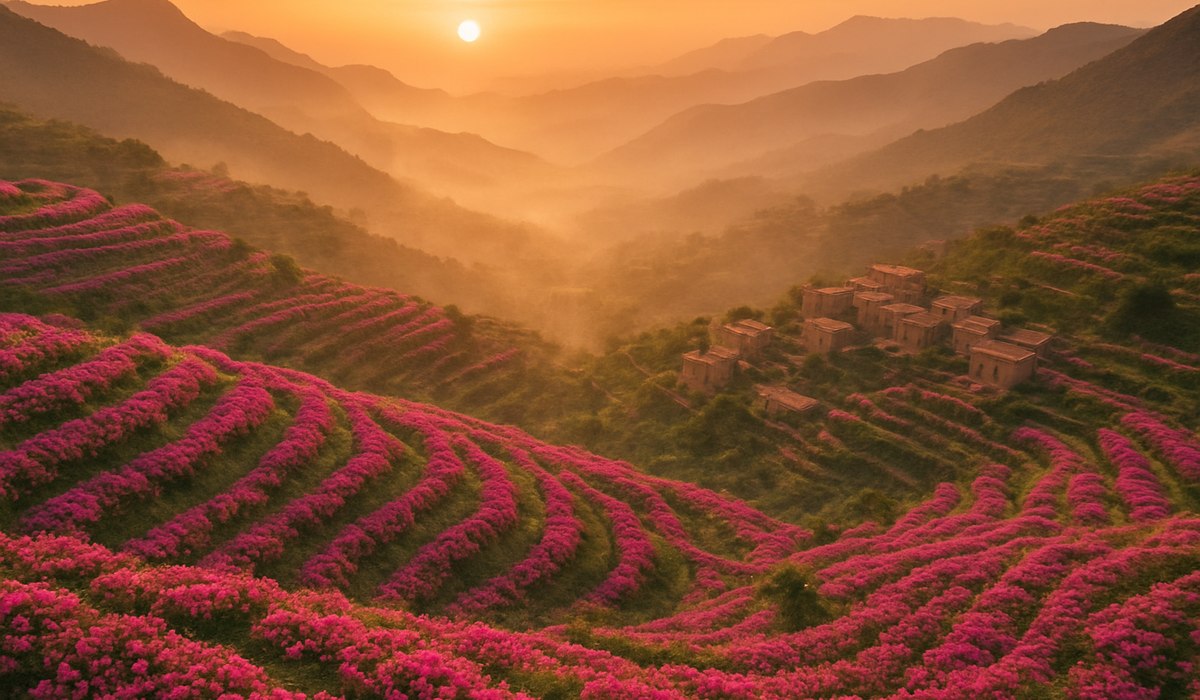
Image generated by AI
Oman Rose Covered Mountains Drive Historic Tourism Surge
Al Jabal Al Akhdar's annual Damask rose bloom is reshaping Al Dakhiliyah's position on the global tourism map. Between late March and mid-May each year, terraced fields across Oman's Green Mountain erupt in bands of pink, drawing record numbers of visitors from across the Gulf region and beyond. The 2026 season marks a turning point: official statistics reveal that Al Jabal Al Akhdar welcomed over 203,600 visitors in 2024, with early 2025 data showing a sustained 6 percent year-over-year growth trajectory. This concentrated six-to-eight-week window of cooler mountain air, panoramic canyon vistas, and traditional rose water distillation has become one of Oman's most distinctive seasonal attractions, cementing Al Dakhiliyah as an inland tourism powerhouse that rivals coastal destinations.
Pink Blooms Drive Record Visitor Numbers to Oman's Mountain Region
The rose season's impact on visitor flows is unprecedented. Al Dakhiliyah Governorate welcomed approximately 415,000 tourists in 2024—a 33 percent increase from 312,000 in 2023. This surge reflects the combined appeal of heritage sites including Nizwa's traditional forts, Bahla's archaeological riches, and Misfat al Abriyeen's terraced villages, but Al Jabal Al Akhdar's rose bloom has emerged as the standout draw during spring months. Gulf markets dominate arrival patterns: Saudi Arabia leads as the primary source market, followed closely by the United Arab Emirates and other Gulf Cooperation Council nations. International visitors from Europe and Asia are increasing as well, with boutique tour operators and major travel brands now featuring the rose season as a signature element in broader Oman itineraries. The bloom period effectively fills what tourism strategists describe as a shoulder season between Oman's peak winter months and summer khareef monsoon experiences in Dhofar.
Experience the Rose Season: What Travelers Can Expect
Visitors to Al Jabal Al Akhdar during the bloom encounter a landscape transformed by centuries-old agricultural traditions meeting contemporary hospitality. Terraced villages including Al Aqur, Al Ayn, and Al Qasha maintain their role as rose-growing centers while welcoming increasing numbers of day trippers and overnight guests. Local farmers continue dawn hand-picking of blossoms, feeding them into traditional copper stills to produce rose water and essential oils destined for households, religious institutions, and artisanal businesses. Modern infrastructure now complements these traditional practices: the Saiq Plateau hosts boutique hotels, curated dining experiences, and guided tours that explain rose cultivation history and production methods. Trekking opportunities abound across the plateau's canyon-like terrain, with established viewpoints offering panoramic vistas across terraced slopes and neighboring settlements. Many visitors combine rose farm visits with cultural immersion experiences, purchasing locally-produced rose water and pomegranate products directly from cooperative enterprises.
Gulf Markets Lead Tourism Surge to Al Dakhiliyah
Regional demand from Gulf Cooperation Council countries is reshaping tourism development priorities across Al Dakhiliyah. Saudi Arabian visitors represent the largest contingent among Gulf arrivals, reflecting both geographic proximity and growing awareness of Oman as a spring destination. UAE tourists contribute substantial visitor numbers, while visitors from Kuwait, Qatar, and Bahrain round out the regional surge. This market concentration has influenced hotel development, dining offerings, and activity scheduling to align with Gulf visitor preferences and holiday calendars. Destination marketing initiatives now specifically target Gulf audiences during the March-to-May window, leveraging social media, travel trade shows, and partnerships with regional tour operators. The National Tourism Strategy 2040 explicitly recognizes this market opportunity, aiming to position Al Dakhiliyah's cultural and nature-based attractions as essential components of Oman's broader goal to attract over 11 million annual visitors and substantially increase tourism's contribution to gross domestic product.
Best Time to Visit
The optimal window for experiencing Oman's oman rose covered landscape spans late March through mid-May, when Damask roses reach peak bloom and weather conditions remain mild. Late March typically marks the season's opening as spring moisture and cooling mountain temperatures trigger initial flowering. Early April represents the most reliable period for dense blooms across all terraced fields, with the Saiq Plateau and surrounding villages displaying the most visually striking concentrations. Mid-April to early May offers excellent conditions as secondary blooms emerge and traditional distillation activities peak. Temperatures during this period range from 15-25°C (59-77°F), comfortable for extended exploration of terraced gardens and hiking trails. Accommodation availability becomes limited by mid-April, so advance bookings are essential. Weather remains generally clear with minimal rainfall, though afternoon winds can develop on exposed plateau areas. Avoid visiting during June onward, as heat intensifies, roses complete their cycle, and tourism infrastructure shifts focus toward summer highland retreats.
How to Get There
Reaching Al Jabal Al Akhdar requires a multi-leg journey from Oman's primary airport. International visitors typically arrive at Muscat International Airport, located approximately 230 kilometers northeast of the Green Mountain. Ground transportation options include rental vehicles (recommended for flexibility), organized tour packages, or private drivers arranged through hotels. The drive from Muscat to Nizwa, the primary gateway town to Al Dakhiliyah, takes approximately three to four hours via Highway 15, covering relatively flat terrain across Oman's interior plains. From Nizwa, the final ascent to Al Jabal Al Akhdar villages requires an additional 45-60 minutes on winding mountain roads suited to 4WD or high-clearance vehicles. These roads feature steep gradients and hairpin turns, particularly along the approach to Saiq Plateau. Several Muscat-based tour operators offer multi-day packages that include vehicle transport, accommodation, guided rose farm visits, and cultural activities. Private transfers through hotel concierge services provide convenient alternatives for those seeking personalized itineraries. Direct flights from Gulf capitals to Muscat are frequent and competitively priced, making regional access particularly convenient.
Key Data: Al Jabal Al Akhdar Rose Season 2024-2026
| Metric | 2024 | 2025 H1 | 2026 Status |
|---|---|---|---|
| Al Jabal Al Akhdar Visitors | 203,629 | ~90,000 (through June) | Tracking record pace |
| Al Dakhiliyah Total Visitors | 415,000 | In progress | Expected 450,000+ |
| Year-over-Year Growth | +33% (vs 2023) | +6% | Sustained momentum |
| Peak Bloom Window | Late March–Mid May | Late March–Mid May | 8 weeks annually |
| Temperature Range (°C) | 15–25 | 15–25 | 15–25 |
| Primary Source Market | Saudi Arabia | Saudi Arabia | Saudi Arabia & UAE |
| Oman National Arrivals (2024) | 3.8–3.9M | TBD | Recovery trajectory |
What This Means for Travelers
The explosive growth of Al Jabal Al Akhdar's rose season presents both unprecedented opportunities and practical considerations for spring travel planning:
- Book Accommodation Early: Hotel availability across the Saiq Plateau and surrounding villages fills rapidly from late March onward.
Disclaimer
This article is for informational and educational purposes only. It does not constitute legal, financial, or professional advice. While we strive to provide accurate and up-to-date information, travel policies, regulations, and conditions change rapidly. Always verify information with official sources before making travel decisions. Nomad Lawyer makes no representations about the accuracy, reliability, completeness, or suitability of the information provided. Readers should consult qualified professionals for advice specific to their circumstances. The views expressed in this article are those of the author and do not necessarily reflect the views of Nomad Lawyer.
Kunal K Choudhary
Co-Founder & Contributor
A passionate traveller and tech enthusiast. Kunal contributes to the vision and growth of Nomad Lawyer, bringing fresh perspectives and driving the community forward.
Learn more about our team →