
The Eastern Pivot: How Direct Flights from Singapore, Sochi, and Medan Are Opening Oman's Frankincense Coast

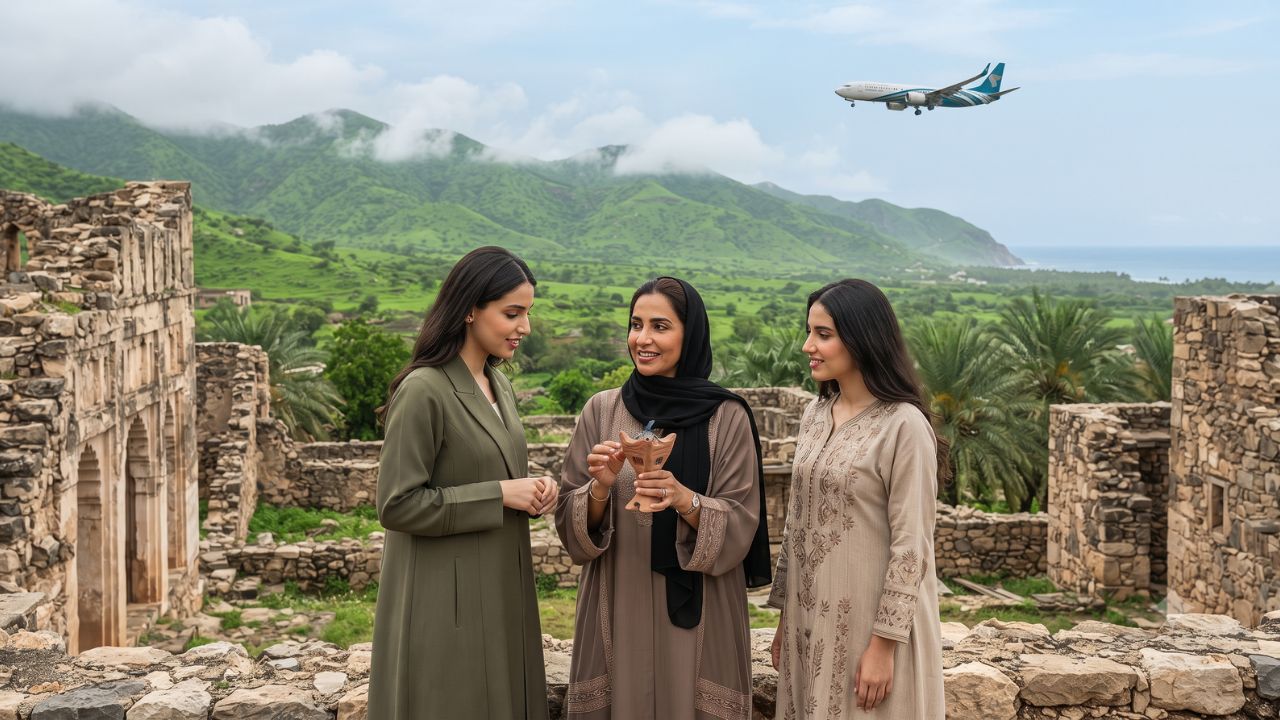
While the Arabian Peninsula is often associated exclusively with sun-baked sand dunes, southern Oman’s Dhofar region transforms every summer into a mist-shrouded subtropical paradise of flowing waterfalls and emerald mountains. Following the July 2026 inauguration of direct air routes connecting Oman with Singapore, Sochi, and Medan, the sultanate’s Ministry of Foreign Affairs reported a dramatic surge in international visitors—including a 147 percent year-on-year increase in Russian travelers, a 61 percent jump from Indonesia, and a 26 percent increase from Singapore.
This eastern pivot is backed by institutional groundwork. In May 2026, the sultanate opened a regional tourism promotion hub dedicated to Singapore, Malaysia, Indonesia, and Thailand. Rather than funneling new arrivals solely through the capital city of Muscat, Oman’s tourism planners are actively steering travelers toward Dhofar’s ancient frankincense trading harbors, coastal mountain villages, and vast desert fringes.
The Global Pivot: New Routes and Inbound Growth Metrics
The expansion of direct aviation corridors reflects Oman's targeted strategy to diversify source markets across Eurasia and Southeast Asia.
| Source Market / Route | Route Launch & Connectivity Baseline | Reported Inbound Growth | Key Traveler Focus Segments |
|---|---|---|---|
| Russia (Sochi) | Non-stop service launched July 2026 | +147% Year-on-Year Growth | Winter sun, coastal relaxation, mountain adventure |
| Indonesia (Medan) | Direct route inaugurated July 2026 | +61% Year-on-Year Growth | Cultural pilgrimage, Islamic heritage, family holidays |
| Singapore | Direct corridor opened July 2026 | +26% Year-on-Year Growth | Eco-tourism, UNESCO heritage, luxury nature retreats |
| Regional Southeast Asia Hub | Dedicated promotion office opened May 2026 | Regional Marketing Network | Coordinating Malaysia, Indonesia, Singapore & Thailand |
Through targeted campaigns coordinated with Experience Oman, the sultanate is marketing four primary visitor categories: family holidays, cultural exploration, nature expeditions, and outdoor adventure.
What Makes Dhofar and the Frankincense Coast Different
Situated more than 1,000 kilometers south of Muscat along the Arabian Sea, Dhofar possesses a microclimate and cultural heritage distinct from the rest of the Gulf:
- The Khareef Monsoon Phenomenon: From June through September, the southwest Indian Ocean monsoon brushes the Dhofari mountain range. Temperatures plummet into the mid-20s Celsius as gentle drizzles cover coastal cliffs in lush green moss and fill seasonal wadi pools.
- The UNESCO Land of Frankincense: Dhofar is the historical source of Boswellia sacra, the world’s most prized frankincense resin. The region’s UNESCO World Heritage sites preserve key historical hubs:
- Sumhuram (Khor Rori): A fortified ancient port founded in the 3rd century BC where frankincense was loaded onto dhows bound for Rome, Egypt, and India.
- Al-Baleed Archaeological Park: A medieval maritime trading city featuring preserved stone mosques and an informative frankincense museum.
- Wadi Dawkah: A protected desert valley nurturing thousands of wild, centuries-old frankincense trees.
- Contrasting Terrains: Within a two-hour drive from Salalah, travelers can transition from white sand tropical beaches lined with coconut palms to 1,000-meter limestone cliffs in Jabal Samhan and the massive red dunes of the Rub' al Khali (Empty Quarter).
Visitor Insider Tips: Navigating Dhofar and Salalah
- Choose the Right Season for Your Travel Style: Visit between July and late August for the misty, verdant Khareef monsoon experience. For crystal-clear ocean waters, desert stargazing, and hiking under cloudless skies, plan your trip between October and April.
- Master Frankincense Grading at Haffa Souq: When shopping at Salalah’s historic Al Haffa Souq, look for Hojari frankincense. The finest grade features a translucent pale-green hue with a crisp citrus-pine aroma when burned.
- Rent a 4x4 for Coastal Mountain Loops: While coastal highways around Salalah are paved to perfection, a four-wheel-drive vehicle is required to ascend the hairpin tracks to Jabal Samhan’s cloud plateau and the sinkhole of Tawi Attair.
- Refresh at Traditional Tropical Fruit Huts: Along the coastal roads of Salalah, stop at roadside thatched stalls for fresh local green coconuts, baby bananas, and fresh papaya grown in Dhofar’s irrigated coastal plantations.
Cultural and Environmental Context
Expanding tourism to regional outposts like Dhofar delivers vital economic benefits to rural communities, creating sustainable jobs for local mountain guides, artisan perfumers, and traditional dhow fishermen. However, rapid growth requires careful environmental stewardship.
During the busy Khareef season, sensitive alpine meadows in the Dhofar mountains face pressure from off-road driving and litter. In response, Oman’s Ministry of Heritage and Tourism has implemented designated viewing platforms, restricted delicate wadi tracks, and established educational visitor centers. By promoting year-round cultural exploration—centering on UNESCO archaeological sites and community-owned homestays—the region aims to avoid seasonal overtourism while safeguarding ancient Bedouin and mountain traditions.
FAQ: Visiting Dhofar and Oman 2026
When were the direct flights from Singapore, Sochi, and Medan launched?
Direct air routes connecting Oman with Singapore, Sochi, and Medan officially commenced operations at the beginning of July 2026.
What is the Khareef season in Dhofar?
The Khareef is the annual summer monsoon occurring between June and September, transforming southern Oman’s mountains and coastal plains into a lush green, mist-covered landscape.
Which UNESCO World Heritage sites are located in Dhofar?
The Land of Frankincense UNESCO inscription includes the ancient port of Sumhuram (Khor Rori), the maritime city of Al-Baleed, the desert oasis of Shisr (Ubar), and the frankincense reserve of Wadi Dawkah.
How far is Salalah from Muscat?
Salalah is approximately 1,000 kilometers south of Muscat, accessible via a 1.5-hour domestic flight on carriers like Oman Air or an overland desert drive along Route 31.
From ancient frankincense harbors to misty mountain wadis, Dhofar offers one of Arabia's most enchanting and authentic cultural journeys.
Related Travel Guides
Disclaimer
This article is for informational and educational purposes only. It does not constitute legal, financial, or professional advice. While we strive to provide accurate and up-to-date information, travel policies, regulations, and conditions change rapidly. Always verify information with official sources before making travel decisions. Nomad Lawyer makes no representations about the accuracy, reliability, completeness, or suitability of the information provided. Readers should consult qualified professionals for advice specific to their circumstances. The views expressed in this article are those of the author and do not necessarily reflect the views of Nomad Lawyer.
Raushan Kumar
Founder & Lead Developer
Full-stack developer with 11+ years of experience and a passionate traveller. Raushan built Nomad Lawyer from the ground up with a vision to create the best travel and law experience on the web.
Learn more about our team →