
Norwegian, Carnival, and MSC Cruises Deploy New Efficiency Strategies to Lower Costs in 2026
Major cruise operators including Norwegian Cruise Line and Carnival Corporation are implementing aggressive cost-reduction strategies and fuel-efficiency technology to stabilize profits amidst rising operational expenses.

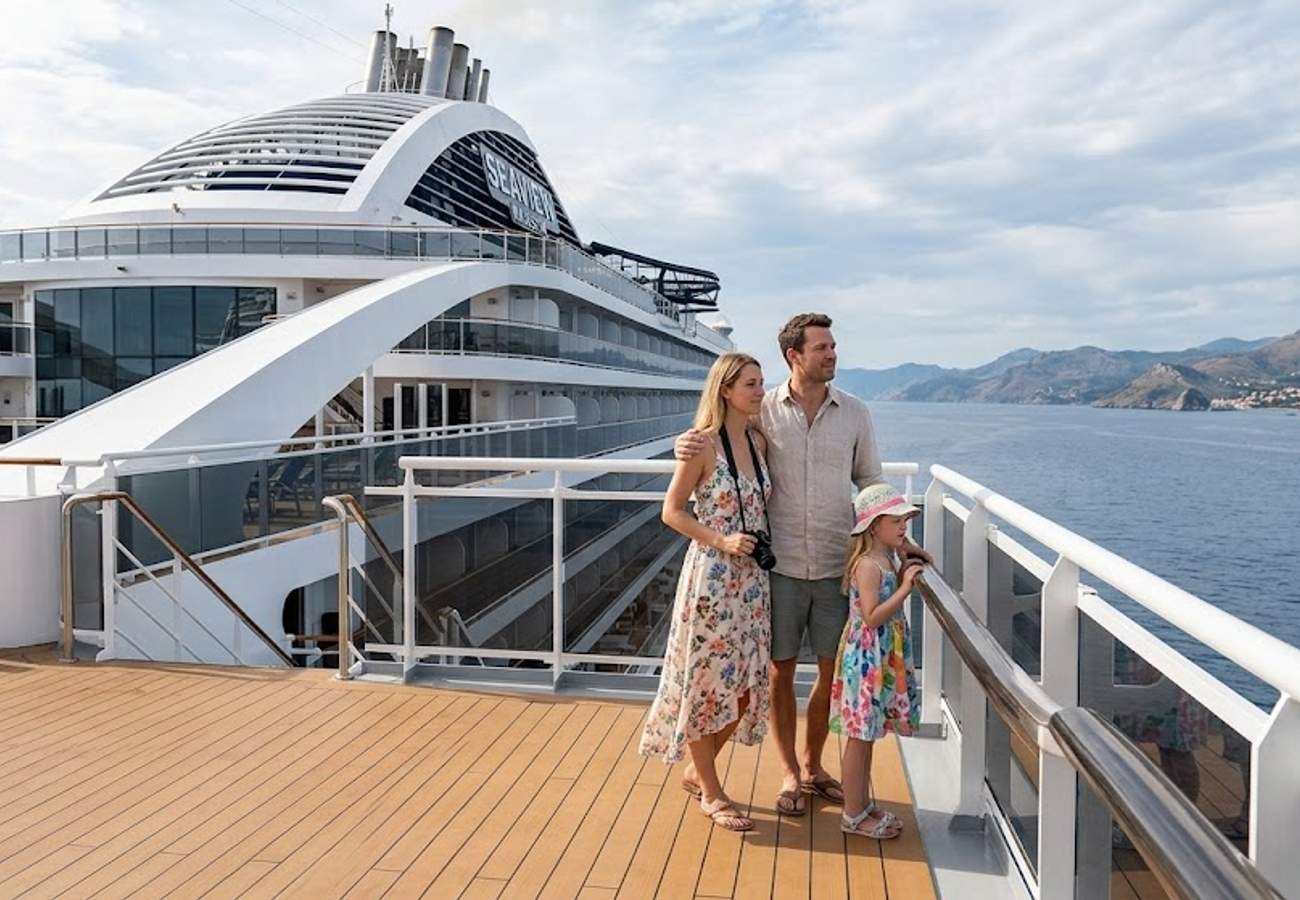
Image generated by AI
The global cruise sector is pivoting from post-pandemic recovery to a rigorous era of financial discipline, with Norwegian Cruise Line, Carnival Corporation, and MSC Cruises launching aggressive efficiency drives to protect margins. These strategic shifts, aimed at reducing overhead and fuel consumption, are expected to influence everything from ticket pricing to the level of onboard service available to passengers in 2026.
The maritime industry currently faces a volatile economic climate. While passenger demand remains at record highs, operators are grappling with a "perfect storm" of escalating labor costs, fluctuating fuel prices, and geopolitical instability. To counter these pressures, the world's largest cruise fleets are no longer focusing solely on expanding ship size, but on optimizing every dollar spent per passenger.
Norwegian Cruise Line Targets $100 Million in Additional Savings
Norwegian Cruise Line Holdings (NCLH) has positioned cost containment as the cornerstone of its current financial roadmap. After implementing initial recovery measures, the company has identified further savings opportunities totaling approximately $100 million. This push affects its diverse portfolio, which includes the premium Norwegian Cruise Line, the upscale Oceania Cruises, and the ultra-luxury Regent Seven Seas Cruises.
Industry reports indicate that NCLH is focusing on a comprehensive administrative overhaul. The 2026 strategy involves streamlining workforce efficiency, renegotiating supplier contracts, and reducing corporate overhead. These moves are not merely internal choices but are partly driven by external pressure from activist investors, specifically Elliott Investment Management, which has pushed for stronger leadership and enhanced shareholder value.
The primary challenge for NCLH is the "quality paradox." Because the brand relies on high-end dining and personalized hospitality, the company must find a way to cut $100 million in costs without degrading the guest experience, which could lead to a drop in customer loyalty.
Carnival Corporation Prioritizes Operational Discipline and Fuel Metrics
While Norwegian focuses on corporate restructuring, Carnival Corporation is attacking costs at the ship level. Carnival's efficiency program is heavily weighted toward technical optimization and fuel management. By refining how ships are managed and optimizing itineraries, the company has already reported savings in the hundreds of millions of dollars compared to previous operational cycles.
Carnival's approach is characterized by "micro-efficiencies." For example, the company has optimized the use of equipment during embarkation and disembarkation processes. While a single adjustment to port operations may seem negligible, when scaled across a massive global fleet, these changes result in significant capital preservation.
Furthermore, Carnival is leveraging its market position to push suppliers toward more efficient delivery models, ensuring that the entire supply chain reflects the company's drive for lean operations.
Royal Caribbean Integrates Premium Growth with Productivity
Royal Caribbean Group is employing a hybrid strategy that balances cost control with aggressive revenue generation. Rather than focusing exclusively on spending less, Royal Caribbean is maximizing the "yield" per passenger. This is achieved by investing in high-margin assets, such as private island destinations, which allow the company to control the entire guest experience and capture more onboard spending.
By owning the destinations, Royal Caribbean reduces the costs associated with third-party port fees and increases the efficiency of its itineraries. However, the company remains vigilant regarding geopolitical shifts and changing consumer behaviors, which continue to impact long-term financial forecasting.
MSC Cruises Leverages OptiCruise Technology for Fuel Economy
In Europe, MSC Cruises is leading the charge in technology-driven cost reduction. Recognizing that fuel is one of the most volatile and expensive line items in a cruise budget, MSC has deployed a proprietary system known as OptiCruise.
This digital tool analyzes a vast array of operational variables to determine the most efficient sailing paths. By optimizing routes in real-time, MSC aims to drastically reduce fuel burn without altering the arrival times or the quality of the passenger experience. This shift toward "smart sailing" suggests that the next decade of cruise competition will be won by the companies with the best data analytics, not just the largest ships.
Comparative Strategic Focus Across Major Operators
| Cruise Operator | Primary Efficiency Driver | Key Target Area | Strategic Goal |
|---|---|---|---|
| Norwegian (NCLH) | Corporate Restructuring | Administrative Overhead | $100M in additional savings |
| Carnival Corp | Operational Discipline | Fuel & Port Logistics | Fleet-wide cost reduction |
| Royal Caribbean | Asset Ownership | Private Destinations | Higher revenue per passenger |
| MSC Cruises | Digital Innovation | Route Optimization | Fuel economy via OptiCruise |
The Direct Impact on the Passenger Experience
For the average traveler, this industry-wide pivot toward efficiency is a double-edged sword. On the positive side, these cost-saving measures can lead to more competitive fare pricing as companies pass some savings to the consumer to maintain high occupancy rates. Passengers can also expect more seamless digital booking interfaces and improved onboard technology.
However, there is a risk of "service erosion." As companies streamline workforce efficiency and review supplier agreements, travelers may notice changes in complimentary offerings, adjusted staffing levels in dining rooms, or a shift in the variety of inclusive amenities. The industry is currently betting that passengers will prioritize "value" (the balance of cost vs. experience) over absolute luxury.
Why This Matters: The Shift to Sustainable Profitability
From a logistical and financial standpoint, this transition marks the end of the "growth at all costs" era that followed the pandemic. For the traveler, this means the industry is becoming more professionalized and predictable. When companies like MSC and Carnival optimize fuel and logistics, they aren't just saving money—they are reducing the carbon footprint of each voyage, aligning financial goals with environmental sustainability.
For the legal and corporate observer, the influence of activist investors like Elliott Investment Management on NCLH shows that cruise lines are now being held to the same rigorous productivity standards as Big Tech or global logistics firms. The "vacation" aspect of the business is now being managed with "industrial" precision.
The race for efficiency is no longer optional; it is the only way for cruise giants to survive a volatile global economy.
Related Travel Guides
Disclaimer
This article is for informational and educational purposes only. It does not constitute legal, financial, or professional advice. While we strive to provide accurate and up-to-date information, travel policies, regulations, and conditions change rapidly. Always verify information with official sources before making travel decisions. Nomad Lawyer makes no representations about the accuracy, reliability, completeness, or suitability of the information provided. Readers should consult qualified professionals for advice specific to their circumstances. The views expressed in this article are those of the author and do not necessarily reflect the views of Nomad Lawyer.
Raushan Kumar
Founder & Lead Developer
Full-stack developer with 11+ years of experience and a passionate traveller. Raushan built Nomad Lawyer from the ground up with a vision to create the best travel and law experience on the web.
Learn more about our team →