
The High-Value Horizon: Why Experience-Led Spending Is Redefining North American Travel in 2026
A decisive shift toward immersive regional experiences, digital independence, and deep cultural connections is fueling a record surge in tourism spending across key hubs in the United States and Canada.

From Pacific coastal routes to Canadian alpine wilderness, travelers across North America are prioritizing immersive cultural and outdoor experiences.
For decades, global tourism authorities measured vitality almost exclusively through raw border arrivals and hotel occupancy rates, but North American travel in 2026 is undergoing a structural transformation where individual visitor expenditure and cultural immersion now completely overshadow sheer volume. Across the United States and Canada, international and domestic travelers are moving past hurried checklist sightseeing. Instead, visitors are dedicating substantial resources toward authentic culinary explorations, prolonged wilderness expeditions, and decentralized regional road trips that inject capital directly into neighborhood economies, independent restaurateurs, and regional transport providers.
This decisive pivot toward experiential value reflects a fundamental change in traveler psychology. Modern holidaymakers are no longer satisfied with merely snapping photos before world-famous monuments. They increasingly seek out meaningful connections with local communities, convenient digital accessibility, and distinct regional food traditions. In response, municipal planners and regional tourism boards from the Pacific Northwest to the Atlantic seaboard are redesigning their visitor infrastructure to support multi-day exploratory travel that celebrates local heritage and preserves fragile environments.
The Expenditure Revolution: How Experiential Travel Drives the Continental Boom
The reason tourism spending has replaced simple headcount as the primary indicator of regional travel strength is straightforward: gross visitor numbers fail to reflect the true economic health of host communities. High-volume, low-spend day-tripping often strains municipal services without generating sustainable livelihoods. In contrast, travelers who invest in multi-course regional dining, boutique lodging, guided outdoor excursions, and neighborhood artisan markets create enduring economic ripple effects.
Across the United States, several regional powerhouses are anchoring this economic expansion, detailed extensively through initiatives spearheaded by Visit The USA. California remains a continental leader by seamlessly pairing its iconic creative hubs with dramatic natural environments. Travelers can easily combine Los Angeles entertainment institutions and Hollywood landmarks with San Francisco architectural monuments, Pacific coastline driving routes, premier theme parks, and protected national parks within a single journey. This extraordinary diversity makes the state equally compelling for international vacationers, outdoor adventurers, and multi-generational road trippers.
On the Atlantic and Gulf coasts, Florida maintains its position as an economic travel juggernaut through sustained year-round demand. The Sunshine State continues drawing millions through Orlando’s theme park complexes, Miami’s multicultural arts and nightlife districts, relaxed Gulf Coast barrier islands, and high-capacity cruise ports. This combination of family recreation, coastal escapes, and deep-water maritime departures sustains a vast hospitality ecosystem encompassing hotels, marinas, and dining establishments.
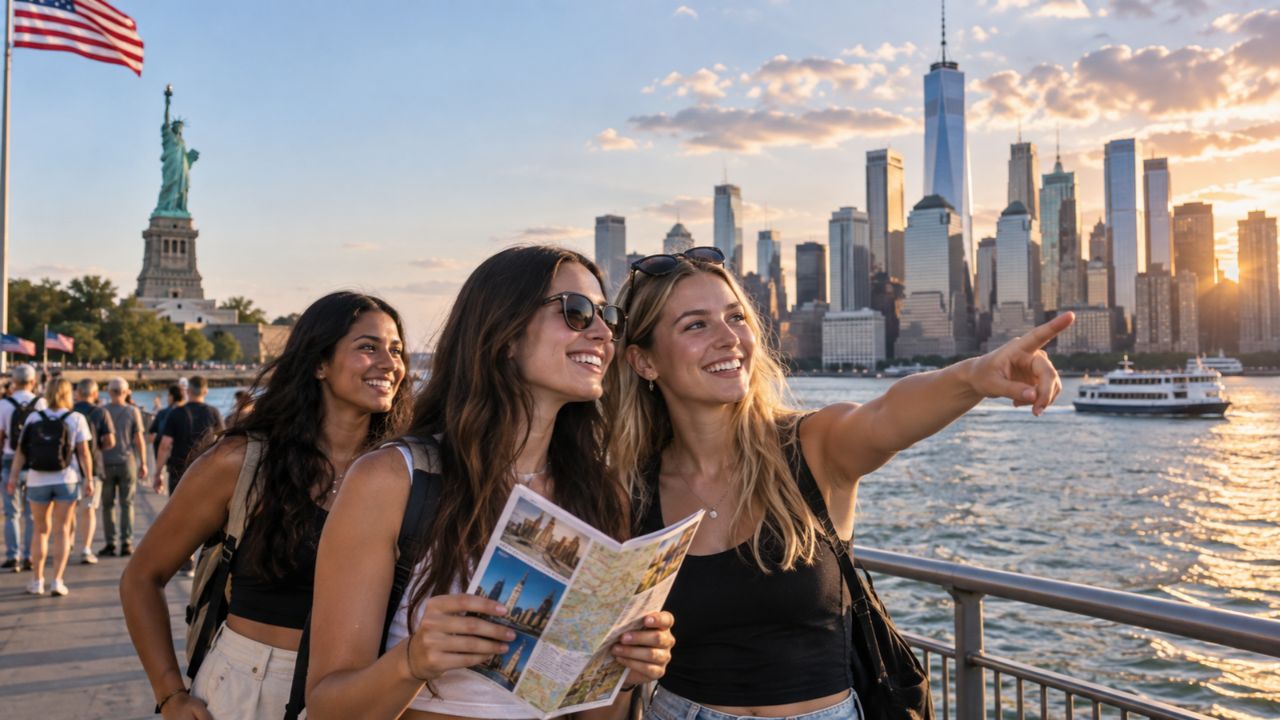
Simultaneously, New York City continues operating as an unrivaled global cultural beacon. While iconic landmarks like Times Square, Central Park, and the Broadway theater district remain perennial draws, the city is experiencing rapid tourism spending growth outside Midtown Manhattan. International and domestic visitors increasingly venture into historic outer-borough neighborhoods, patronizing independent immigrant-owned restaurants, intimate comedy clubs, and grassroots art collectives. This desire to experience the metropolis like long-time residents rather than passive tourists represents a permanent shift in urban tourism dynamics.
What Makes North America Different: The Dual Allure of Metropolis and Untamed Wilderness
North America’s defining experiential strength lies in the immediate proximity between high-density cultural metropolises and vast, untamed wilderness corridors. While European and Asian destinations often require extensive transfers to reach undisturbed natural habitats, travelers in the United States and Canada can pivot from world-class urban dining to raw alpine solitude in a matter of hours.
Canada’s tourism growth exemplifies this balance between cosmopolitan sophistication and rugged geography. As the nation's largest city and primary international aviation gateway, Toronto attracts millions through its hyper-diverse ethnic enclaves, renowned food scene, major league sporting spectacles, and premier performing arts festivals. Neighborhoods like Kensington Market, the Distillery Historic District, and Little Portugal showcase how multicultural communities shape the daily life and culinary identity of the city.
On the West Coast, Vancouver offers one of the world's most dramatic geographic settings. Wedged between the open waters of the Pacific Ocean and snow-draped coastal peaks, the British Columbia hub allows travelers to embark on sea kayaking expeditions in the morning, cycle through rainforest canopies at Stanley Park in the afternoon, and dine on sustainable Pacific seafood in historic Gastown by evening. This rare combination of urban convenience and immediate wilderness access makes Vancouver a magnet for modern eco-travelers.
Beyond city limits, Canada's outdoor tourism economy is experiencing an unprecedented surge. Global visitors are actively seeking out national parks, wilderness hiking paths, backcountry ski terrain, and wildlife viewing expeditions. As documented by Destination Canada, travelers are deliberately seeking spaces where they can disconnect from demanding digital work routines and immerse themselves in ancient boreal forests, glacial valleys, and rugged coastlines.
Connecting these diverse regions is the enduring tradition of the North American road trip. The continental highway system links national parks, historic settlements, coastal byways, and mountain passes, granting travelers complete geographic flexibility. Whether driving California's Highway 1, navigating the Blue Ridge Parkway, or traversing the Canadian Rockies along the Icefields Parkway, road journeys encourage visitors to spend nights in small rural towns, distributing economic prosperity far beyond major urban centers. Detailed conservation guidelines from Parks Canada help road trippers navigate these vast federal reserves responsibly.
Visitor Insider Tips: Navigating Cross-Border Routes, eSIMs, and Local Enclaves
Maximizing a trip across the United States and Canada requires strategic planning around seasonality, border protocols, and digital tools:
- Adopt Digital Connectivity Early: Do not rely on expensive international carrier roaming packages or hunt for public Wi-Fi networks when driving through remote mountain passes or coastal corridors. Install a regional North American eSIM on your mobile device before departure. Reliable digital access is indispensable for real-time GPS navigation, mobile national park vehicle reservations, language translation, and emergency dispatch services in rural sectors.
- Master Cross-Border Logistics: If your itinerary combines the United States and Canada, monitor land border wait times online. Consider enrolling in expedited trusted traveler programs like NEXUS or utilizing mobile entry declarations such as CBP Mobile Passport Control for US arrivals and Advance Declaration for Canadian ports of entry to bypass lengthy immigration lines.
- Target Shoulder Season Windows: Avoid peak summer crowds and inflated lodging rates by scheduling your journeys during the shoulder months—specifically late April through May, or mid-September through October. Autumn visits offer comfortable weather for hiking in the Canadian Rockies, spectacular foliage across New England, and dramatically shorter queues at Florida theme parks.
- Base in Residential Neighborhoods: Rather than booking generic high-rise hotels in crowded business districts, stay in walkable residential quarters rich in local personality. Opt for boutique accommodations in Brooklyn’s Boerum Hill in New York, Capitol Hill in Seattle, Toronto’s Annex, or Vancouver’s Mount Pleasant. These areas offer quiet streets, community coffee shops, and direct public transit access to downtown attractions.
- Sample Regional Food Traditions: Dedicate part of your travel budget to hyper-local food staples. Try wood-fired Montreal bagels and authentic poutine in Quebec, fresh Dungeness crab and sourdough in San Francisco, smoked brisket in Texas, or spicy conch chowder along the Florida Keys.
Cultural and Environmental Context: Community Pressures and Indigenous Stewardship
The rapid expansion of high-value tourism across North America brings pressing civic and ecological challenges that destination managers must confront. Unchecked visitor numbers in historic urban centers have contributed to escalating housing costs, short-term rental shortages for local workforces, and the commercial displacement of neighborhood legacy businesses. In response, cities from New York to Vancouver have introduced stringent municipal regulations on short-term holiday lets to safeguard residential housing stocks.
In ecologically vulnerable wilderness regions, heavy foot traffic and vehicular congestion threaten pristine alpine meadows, coastal estuaries, and wildlife habitats. To protect these environments, conservation authorities have implemented timed-entry vehicle permits, designated shuttle bus corridors, and strict "Leave No Trace" backcountry mandates.
Equally transformative is the growing prominence of Indigenous-led tourism initiatives. Across Canada and the American West, First Nations, Native American, and Alaska Native communities are actively reclaiming their historical narratives. Community-operated cultural centers, guided backcountry walks, and ancestral craft workshops invite travelers to engage directly with Indigenous heritage on the community's own terms. Revenue generated through these authentic partnerships supports tribal language preservation, youth education, and ancestral land stewardship, demonstrating that high-value travel can foster cultural survival and ecological healing.
FAQ: Visiting North America 2026
Why is tourism spending replacing visitor headcounts as the main measure of success? Spending reflects the true economic value delivered to local hotels, eateries, artisans, and transport providers, whereas high visitor volume without spending can overburden municipal infrastructure.
Which US states are driving the current tourism expansion? California, Florida, and New York lead US tourism growth, combining world-class entertainment, iconic coastlines, national parks, and vibrant neighborhood culinary traditions.
What makes Canada a premier destination for outdoor travel in 2026? Canada provides unmatched wilderness access, featuring pristine national parks, rugged mountain passes, coastal wildlife corridors, and cities like Vancouver that seamlessly unite urban amenities with nature.
Why is an eSIM recommended for North American road journeys? An eSIM provides immediate, cost-effective mobile data across remote highways, ensuring uninterrupted access to navigation maps, digital park permits, and local emergency services.
Across boundless coastlines and storied cities, the true spirit of North American travel reveals itself to those who choose depth of connection over distance traveled.
Related Travel Guides
Disclaimer
This article is for informational and educational purposes only. It does not constitute legal, financial, or professional advice. While we strive to provide accurate and up-to-date information, travel policies, regulations, and conditions change rapidly. Always verify information with official sources before making travel decisions. Nomad Lawyer makes no representations about the accuracy, reliability, completeness, or suitability of the information provided. Readers should consult qualified professionals for advice specific to their circumstances. The views expressed in this article are those of the author and do not necessarily reflect the views of Nomad Lawyer.
Raushan Kumar
Founder & Lead Developer
Full-stack developer with 11+ years of experience and a passionate traveller. Raushan built Nomad Lawyer from the ground up with a vision to create the best travel and law experience on the web.
Learn more about our team →