
NJ Transit Rebounds After Major Hudson River Tunnel Delays: What’s Next for Commuters?
NJ Transit restores service after a disabled train in the Hudson River tunnels caused widespread commuter delays; residual disruption remains.

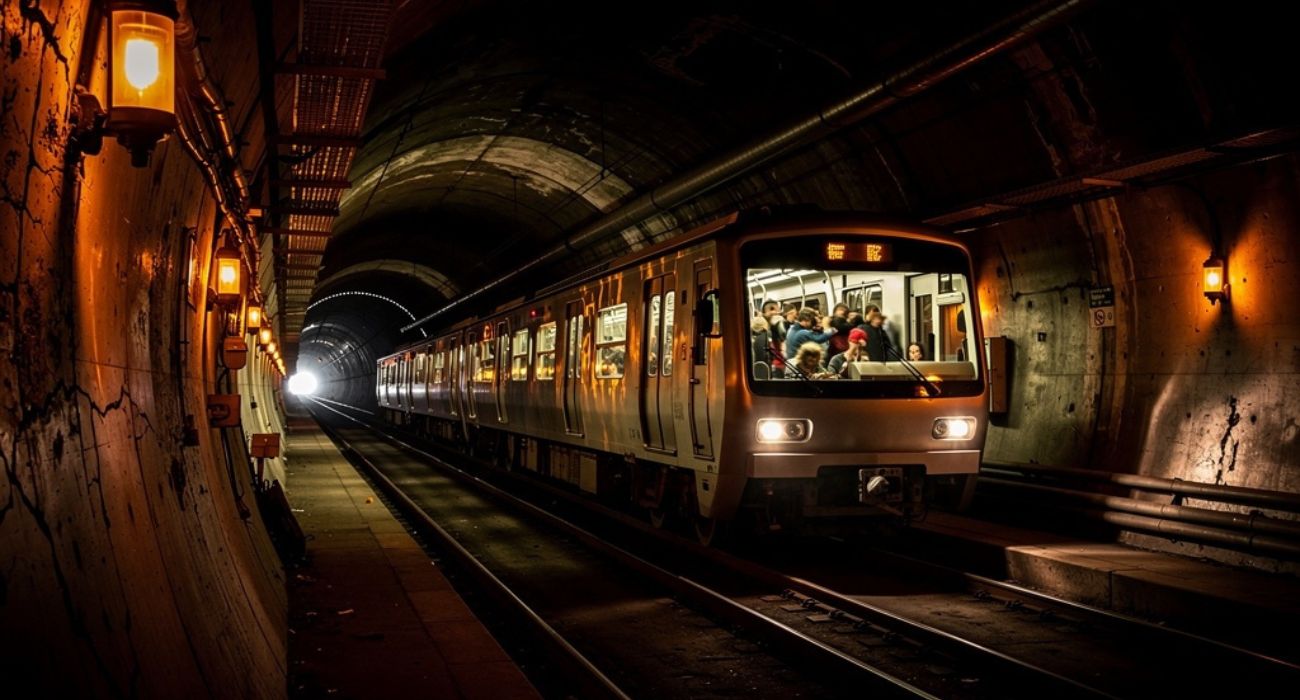
Image generated by AI
Critical Infrastructure Failure: NJ Transit Tunnel Disruption Sparks Commuter Chaos, Highlighting Vulnerabilities in US Transportation Networks
The Fragile Lifeline: How a Single Disabled Train Caused Massive Delays and Forced a Reassessment of Regional Transit Resilience
On April 16, 2026, thousands of commuters faced a tense morning as a disabled NJ Transit train stalled inside one of the Hudson River tunnels, triggering delays across the network into Penn Station New York. The malfunction produced an immediate ripple effect through peak-hour schedules, with initial delay estimates reaching up to 30 minutes before crews worked to reduce the disruption to 15 minutes. Although regular service has largely been restored, residual delays continue to affect some travelers.
A Disabled Train and a System Under Pressure
The Hudson River tunnels are among the busiest rail conduits in the nation, a narrow, high-density corridor that funnels New Jersey riders into Midtown Manhattan. When a train became disabled inside one of these tubes, the confined environment amplified the operational impact: trains queued, schedules staggered, and thousands of passengers experienced cascading hold-ups. NJ Transit initially warned of delays up to 30 minutes; as technicians cleared the obstruction and service resumed, that estimate was lowered to 15 minutes, yet the backlog persisted for many riders already on their journeys.
This incident underscores how a single mechanical issue in a critical choke point can multiply into systemic disruption—an illustration of the fragility of high-volume transit arteries where even a brief stoppage forces network-wide adjustments.
What Commuters Experienced
For many New Jersey residents, the Hudson River tunnels are the essential daily link to jobs, appointments, and services in New York City. The timing of the malfunction intensified its impact: peak-hour travelers found trains delayed or running on altered timetables, connections tightened, and frustration mounted. NJ Transit advised passengers to monitor real-time updates via the official website and mobile app as teams worked to stabilize operations.
Even after service resumed, some riders continued to see lingering delays as the system cleared the backlog of rolling stock and rebalanced schedules. Those affected were forced to seek alternatives, adjust meeting times, or absorb the personal costs of longer commutes.
How the Service Was Restored
NJ Transit crews responded promptly to the incident, isolating and removing the disabled train and working to reopen normal flow through the tunnel. The authority reported progress throughout the morning, moving from worst-case delay estimates to reduced margins as operations recovered. The swift on-site response prevented a longer shutdown, but the episode highlighted the complex choreography required to recover from a blockage in such a constrained environment.
The Broader Significance: Infrastructure, Capacity and Risk
The disruption places a spotlight on the broader challenges facing major U.S. transit corridors: aging infrastructure, limited physical redundancy, and intense demand that leaves little margin for error. A single failure inside a critical tunnel can generate widespread travel chaos, with knock-on effects that stretch beyond the immediate corridor.
The event is also a reminder that robust investment—targeted maintenance, upgrades, and modern operational systems—is necessary to reduce the probability that small failures evolve into large-scale disruptions.
Flight-Style Analysis for Rail: Causes and Mitigations
While this was a rail incident, the operational lessons mirror those in aviation and other mass-transport sectors. Possible contributors to events like this include equipment malfunction, signaling or power anomalies, and constrained recovery options in confined corridors. To mitigate such risks, transit agencies can pursue:
- Predictive maintenance programs and condition-based monitoring to spot faults before they immobilize trains.
- Redundancy in routing where feasible, and improved contingency procedures to reroute or reschedule services with minimal passenger impact.
- Enhanced passenger communications and real-time information to reduce uncertainty during recovery.
NJ Transit’s rapid physical response was effective; the strategic challenge now is reducing the likelihood of recurrence through investment and smarter operations.
Passenger Impact: Missed Connections and Real Costs
Beyond minutes on a dashboard, the disruption imposed real costs on riders: missed meetings, delayed shifts, disrupted childcare arrangements, and additional fares for alternative transport. Those who relied on tight connections—regional trains, subways or buses—were the most exposed. Even small delays in a hub like Penn Station can cascade into multi-leg journeys affected across modes, compounding both time and expense for commuters.
Conclusion: Recovery, Resilience, and the Road Ahead
NJ Transit’s crews restored the flow through the Hudson River tunnels and reduced the worst delays from 30 minutes to 15 minutes, but the episode serves as a clear signal: critical corridors need continuous attention. For commuters and planners alike, the incident reinforces a single truth—resilience requires both immediate operational excellence and long-term investment in infrastructure and technology.
As service normalizes, NJ Transit and regional authorities will be under pressure to accelerate upgrades, adopt predictive tools, and improve contingency planning so a single disabled train no longer has such widespread consequences.
Key Takeaways
- Single Point Failure: A disabled train inside the Hudson River tunnels caused delays affecting thousands of commuters.
- Delay Metrics: Initial delays were reported up to 30 minutes, later reduced to 15 minutes.
- Residual Impact: Some travelers still experienced lingering delays as the network cleared the backlog.
- Operational Lesson: Predictive maintenance, redundancy, and better passenger communications are vital to reduce future travel chaos.
- Policy Imperative: Continued investment in tunnel and system upgrades is essential to prevent similar incidents from escalating into major service interruptions.
Disclaimer
This article is for informational and educational purposes only. It does not constitute legal, financial, or professional advice. While we strive to provide accurate and up-to-date information, travel policies, regulations, and conditions change rapidly. Always verify information with official sources before making travel decisions. Nomad Lawyer makes no representations about the accuracy, reliability, completeness, or suitability of the information provided. Readers should consult qualified professionals for advice specific to their circumstances. The views expressed in this article are those of the author and do not necessarily reflect the views of Nomad Lawyer.
Kunal K Choudhary
Co-Founder & Contributor
A passionate traveller and tech enthusiast. Kunal contributes to the vision and growth of Nomad Lawyer, bringing fresh perspectives and driving the community forward.
Learn more about our team →