
Newark Flight Disruptions Hit Delta and United Passengers This Spring
Delta and United flight cancellations at Newark Airport on May 8, 2026 disrupted Caribbean and U.S. routes during peak spring travel season, affecting thousands of passengers.

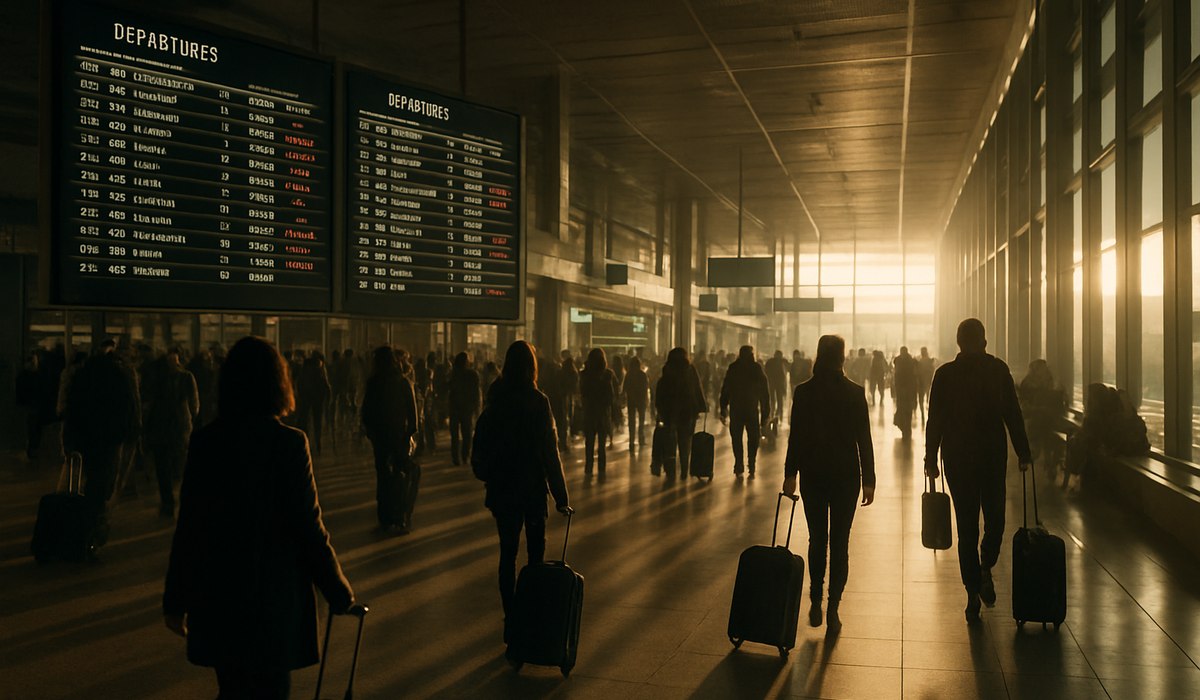
Image generated by AI
Spring Travel Chaos: Newark Flight Disruptions Cascade Across U.S. and Caribbean Routes
Delta Air Lines and United Airlines faced operational challenges at Newark Liberty International Airport on May 8, 2026, triggering multiple cancellations and delays that rippled across major U.S. hubs and Caribbean leisure destinations. The disruptions, which affected thousands of travelers during peak spring getaway season, highlighted the fragility of connections through one of America's most congested northeastern airports. Passengers bound for Punta Cana, San Juan, Detroit, San Francisco, and Boston encountered significant schedule disruptions, with some forced to seek alternative routings through Miami, Atlanta, or Charlotte.
Targeted Cancellations Ripple Across Key Routes
Two confirmed flight cancellations at Newark on May 8 triggered cascading delays across both carriers' networks. While the initial cancellation count appeared limited, the timing and destination mix created outsized impacts for connecting passengers. Newark flight disruptions affected high-traffic Caribbean leisure routes and critical domestic business corridors simultaneously.
Delta and United operate substantial schedules through Newark, making even modest operational hiccups network-wide events. When aircraft or crews fall out of position due to cancellations, subsequent flights experience compounding delays. Travelers with onward connections faced particular pressure, as missed downline departures required rebooking on increasingly full flights.
Flight tracking services like FlightAware documented real-time schedule changes throughout the afternoon and evening. Passengers relying on Newark as a hub for transpacific or long-haul connections discovered that modest Northeast disruptions compressed their connection windows significantly. For those connecting to Caribbean cruise ports or resort check-ins, the schedule friction proved especially costly.
Network-Wide Delays Extend Beyond Newark
The operational strain extended well beyond Newark's terminals into United and Delta's broader networks. Aircraft serving the affected flights couldn't immediately reposition to their next scheduled duties, creating a domino effect through evening and overnight operations.
Boston and Detroit, key Delta hubs, experienced downstream delays as feed traffic from Newark arrived late. San Francisco-bound United passengers faced similar cascading schedule changes as westbound departures slipped across the afternoon bank. These delays weren't limited to May 8 evening flights—recovery operations continued affecting schedules through the following day.
Industry analysis from aviation observers noted that Newark flight disruptions of this magnitude typically require 24-48 hours for full system recovery. Crew duty limits prevent aggressive rescheduling, and spare aircraft availability determines how quickly carriers can restore normal operations. Both Delta and United maintain contingency capacity at Newark, but not sufficient buffer for simultaneous disruptions across multiple routes.
The FAA's operational website at www.faa.gov tracked real-time capacity constraints affecting the New York metropolitan area. Congestion at Newark, combined with normal LaGuardia and JFK traffic, created a bottleneck situation during one of the busiest travel periods of the year.
Impact on Caribbean and Coastal Destinations
Leisure travelers absorbed the most immediate pain from Newark flight disruptions. Routes to Punta Cana and San Juan rank among the highest-demand services from Newark, especially during May when spring weather drives vacation bookings. Public schedule data shows these routes typically operate near 90% capacity during this season.
Caribbean-bound passengers faced particular rebooking challenges. Delta and United serve these routes on defined schedules, and alternative services through Miami or Fort Lauderdale required either significant time additions or next-day departures. Some travelers found themselves reassigned to airline partner flights on lesser-known carriers, with itineraries adding 4-8 hours to trip duration.
Resort properties and cruise lines accommodated late arrivals through check-in flexibility, but passengers incurred additional hotel costs, ground transportation, and itinerary stress. The compounding effect proved especially acute for families with fixed vacation windows and pre-booked tour operators expecting specific arrival times.
Domestic coastal routes to Boston and Fort Lauderdale also experienced ripple effects. Boston, served by both carriers with multiple daily frequencies, absorbed late-arriving aircraft that compressed evening departure banks. Business travelers connecting through Boston to Canada or inland destinations reported missed connections and overnight rerouting.
What Passengers Should Know
The U.S. Department of Transportation's aviation consumer protection rules guarantee passenger rights during airline disruptions. Carriers must provide meal vouchers, hotel accommodations, and ground transportation for disruptions exceeding specified timeframes. Passengers should document all expenses and file claims with their airline within the required window.
Travel insurance with cancel-for-any-reason coverage provides recourse beyond airline-mandated compensation. Trip protection policies reimburse non-refundable resort bookings, tours, and activities when flights face cancellation or significant delays. For May 2026 travel through Northeast airports, comprehensive insurance proved especially valuable.
U.S. DOT consumer protection resources outline detailed passenger rights including compensation, rebooking options, and dispute resolution procedures. The department maintains enforcement authority over carrier compliance with published policies regarding schedule disruptions and passenger care.
Real-time flight status monitoring through FlightAware enables passengers to track conditions and request proactive rebooking before formal cancellations occur. Calling airline reservations teams during ground stops often yields better alternative routings than waiting for automated notifications.
Key Data: May 8, 2026 Newark Disruptions
| Metric | Details |
|---|---|
| Primary Airport | Newark Liberty International (EWR) |
| Airlines Affected | Delta Air Lines, United Airlines |
| Confirmed Cancellations | 2 flights |
| Disrupted Routes | Punta Cana, San Juan, Detroit, San Francisco, Boston |
| Passenger Impact | Thousands across primary and connecting flights |
| Season Context | Peak spring travel demand, May 8, 2026 |
| Network Recovery | 24-48 hour cascade effects into May 9-10 |
| Caribbean Routes | Elevated rebooking pressure, alternative hub routing |
| Domestic Hubs | Boston and Detroit feed traffic delayed 2-4 hours |
Traveler Action Checklist
-
Monitor real-time status using FlightAware or airline apps before departing for Newark; confirm departure time within 24 hours of travel.
-
Document all expenses including meals, hotels, ground transportation, and alternative flight costs if rebooking becomes necessary.
-
Contact airline reservations proactively if your flight shows delays exceeding 2 hours; request rebooking on next available service or partner airline.
-
Verify Caribbean cruise departure times; confirm resort check-in policies accommodate late arrival and obtain written flexibility confirmations.
-
Review U.S. DOT compensation rules at transportation.gov to understand your rights for delays exceeding specific timeframes by airline and route type.
-
Photograph delay announcements and collect boarding pass information; maintain clear records for expense claims and compensation disputes.
-
Explore travel insurance options offering cancel-for-any-reason and flight disruption coverage; policies covering airline failure provide broader protection than airline-issued vouchers.
-
Plan connection buffers of minimum 2 hours for domestic connections and 3 hours for Caribbean flights when routing through congested Northeast airports.
FAQ: Newark Flight Disruptions and Passenger Rights
Q: What caused Newark flight disruptions on May 8, 2026?
A: Delta and United experienced operational constraints triggering two flight cancellations. The timing and route mix (Caribbean leisure and major domestic hubs) created cascading network delays affecting thousands of connecting passengers. Congestion at Newark, staffing levels, and aircraft positioning challenges compounded the initial disruptions.
**Q: Am I entitled to compensation if my Newark
Disclaimer
This article is for informational and educational purposes only. It does not constitute legal, financial, or professional advice. While we strive to provide accurate and up-to-date information, travel policies, regulations, and conditions change rapidly. Always verify information with official sources before making travel decisions. Nomad Lawyer makes no representations about the accuracy, reliability, completeness, or suitability of the information provided. Readers should consult qualified professionals for advice specific to their circumstances. The views expressed in this article are those of the author and do not necessarily reflect the views of Nomad Lawyer.
Preeti Gunjan
Contributor & Community Manager
A passionate traveller and community builder. Preeti helps grow the Nomad Lawyer community, fostering engagement and bringing the reader experience to life.
Learn more about our team →