
Nandi Hills Development: Boma Yangu Estate Hits 75% Completion
Kenya's Boma Yangu Nandi Hills Estate reaches 75% completion, driving affordable housing expansion fueled by agro-tourism and tea production growth.

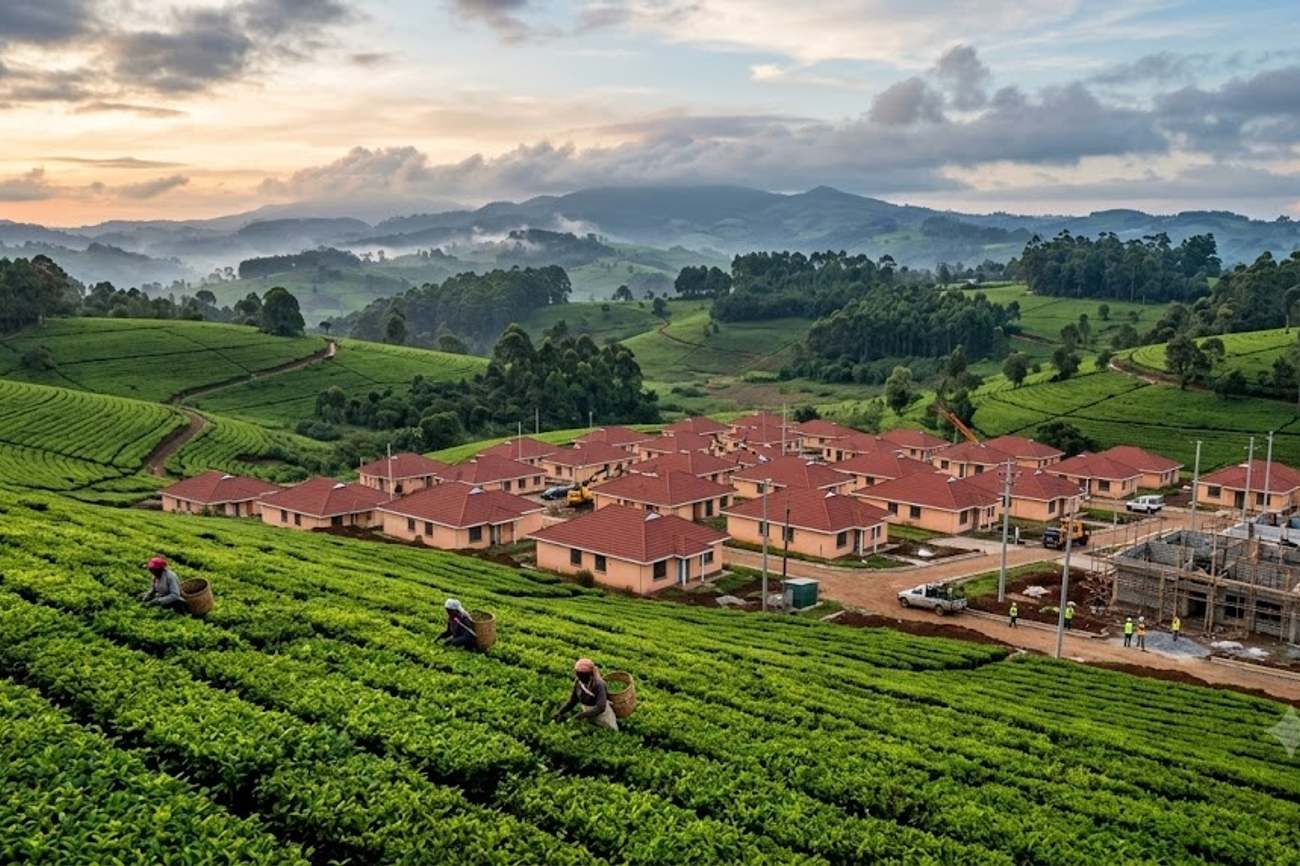
Image generated by AI
Nandi Hills Infrastructure Surge Driven by Tourism and Agro-Industry
The Nandi Hills region is undergoing a rapid economic transition. Traditionally dependent on tea production, the area is now seeing a surge in agro-tourism and sports tourism. This diversification has triggered an immediate need for structured residential infrastructure to house a growing workforce of entrepreneurs, tourism operators, and industry professionals.
The Boma Yangu Nandi Hills Estate is the primary response to this demand. By integrating residential units with commercial hubs, the project aims to stabilize the local housing market and provide a sustainable ecosystem for the region's expanding population.
Key Development Facts
- Project Status: Approximately 75% complete.
- Total Housing Units: 729 units.
- Infrastructure: 6 residential blocks.
- Housing Tiers: Social housing, affordable housing, and market-rate options.
- Commercial Integration: 26 integrated commercial shops.
- Amenities: Gated community with backup power, water connectivity, landscaped green spaces, and children's play areas.
Project Specifications
| Feature | Detail |
|---|---|
| Project Name | Boma Yangu Nandi Hills Estate |
| Completion Percentage | ~75% |
| Total Units | 729 |
| Residential Blocks | 6 |
| Commercial Units | 26 Shops |
| Housing Categories | Social, Affordable, Market-Rate |
Why This Matters: Industry Analysis
From a logistical perspective, the Nandi Hills development represents a shift away from centralized urban housing toward "economic satellite" hubs. For years, Kenya's affordable housing focus remained heavily skewed toward Nairobi and Mombasa. This project proves that secondary economic drivers—specifically high-altitude sports training and tea-based agro-tourism—can sustain large-scale real estate investments.
The real impact here is the integrated community model. By including 26 commercial shops, the development avoids becoming a "dormitory suburb." Instead, it creates a self-sustaining micro-economy. For investors and residents, this reduces reliance on distant urban centers for basic services and creates a localized loop of employment and spending.
Our analysis suggests that the success of Boma Yangu will likely serve as a blueprint for other agricultural regions in Kenya, where the intersection of farming and tourism creates a unique "middle-class" housing gap.
Industry Outlook
Expect a ripple effect of similar mixed-use developments in other high-potential agricultural zones. As Nandi Hills solidifies its reputation for sports tourism and tea experiences, the next phase of growth will likely move toward specialized hospitality infrastructure and improved transport links to support the increased residential density. The completion of the remaining 25% of Boma Yangu will be the litmus test for the viability of market-rate housing in this specific regional corridor.
Internal Link Suggestions:
- Kenya's National Affordable Housing Strategy 2026
- The Rise of Agro-Tourism in East Africa
- Regional Infrastructure Trends in Kenyan Tea-Growing Zones
Related Travel Guides
Disclaimer
This article is for informational and educational purposes only. It does not constitute legal, financial, or professional advice. While we strive to provide accurate and up-to-date information, travel policies, regulations, and conditions change rapidly. Always verify information with official sources before making travel decisions. Nomad Lawyer makes no representations about the accuracy, reliability, completeness, or suitability of the information provided. Readers should consult qualified professionals for advice specific to their circumstances. The views expressed in this article are those of the author and do not necessarily reflect the views of Nomad Lawyer.
Naina Thakur
Contributor & Travel Specialist
Travel enthusiast and legal writer covering visa regulations, responsible tourism, and cultural journeys across global destinations.
Learn more about our team →