
Nagaland Draws 2.25 Lakh Domestic Visitors Annually: Tourism Growth Report
Nagaland's tourism department reveals the northeastern state attracts 2.25 lakh domestic visitors yearly in 2026, while expanding sustainable eco-tourism and cultural tourism initiatives across the region.

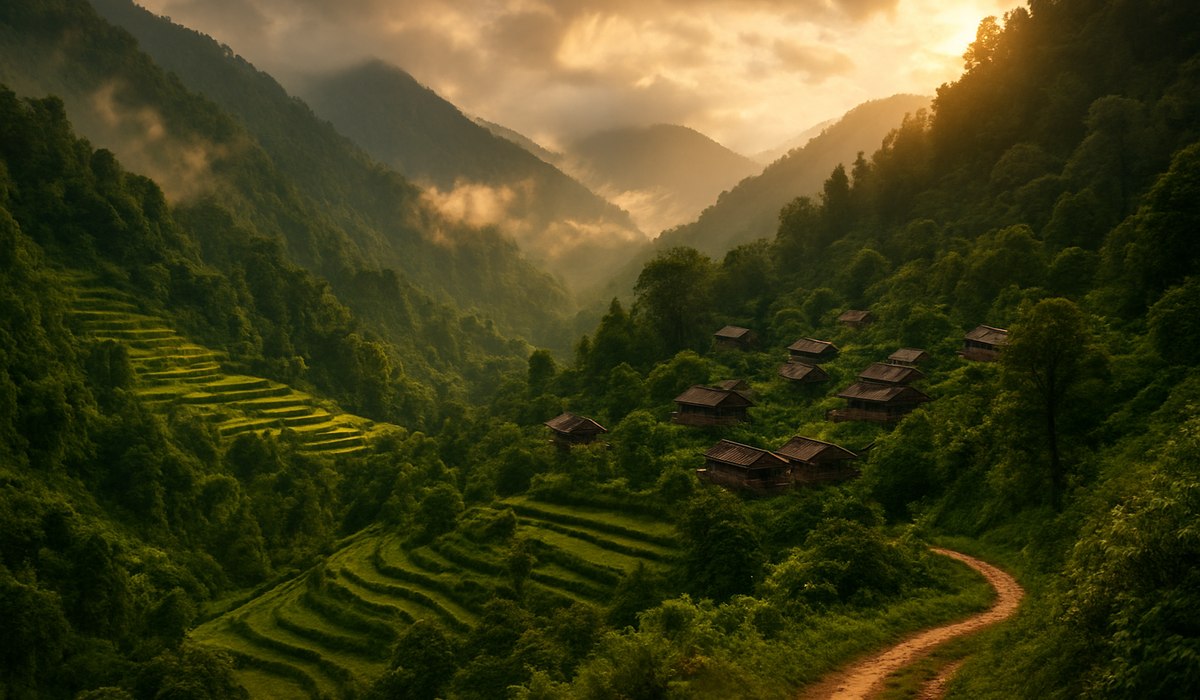
Image generated by AI
Nagaland Welcomes 2.25 Lakh Domestic Tourists Yearly: Official Data Released
Nagaland's tourism department has officially confirmed that the northeastern Indian state attracts approximately 2.25 lakh domestic visitors annually, marking a significant milestone for regional travel development. The announcement, made to state leadership, underscores the growing appeal of Nagaland as a premier destination for Indian travelers seeking authentic cultural and ecological experiences. Beyond domestic tourism, the state continues welcoming 2,000 to 5,000 international tourists each year. This visitor influx reflects Nagaland's expanding reputation as a must-visit location for those exploring India's northeastern frontier.
Nagaland's Tourism Numbers: Current Visitor Statistics
Nagaland's tourism landscape is experiencing measurable growth, with data revealing robust domestic engagement. The 2.25 lakh domestic visitors annually represent families, adventure seekers, and cultural enthusiasts traveling from across India to explore the state's unique offerings. The international segment, though smaller at 2,000-5,000 annually, indicates emerging global awareness of Nagaland's attractions.
These figures demonstrate the state's capacity to handle tourism infrastructure while maintaining its charm. Tourism officials project steady year-on-year growth as awareness increases and connectivity improves. The demographic composition includes young professionals seeking weekend getaways, families exploring cultural heritage, and adventure travelers drawn to outdoor activities. State tourism authorities are actively tracking these metrics to inform development strategies and resource allocation for hospitality services.
Sustainable Tourism Strategy: Eco and Cultural Focus
Nagaland is deliberately shifting toward sustainable tourism models that preserve both natural ecosystems and indigenous heritage. The state prioritizes eco-tourism initiatives alongside cultural tourism to create experiences that benefit local communities while protecting fragile environments. Community-based tourism represents a cornerstone of this approach, ensuring that tourism revenue directly supports village economies and traditional livelihoods.
This strategic pivot contrasts with mass tourism models, positioning Nagaland as a responsible travel destination. Eco-tourism programs emphasize low-impact exploration of forests, valleys, and wildlife habitats. Cultural tourism experiences immerse visitors in Nagaland's tribal traditions, festivals, and craftsmanship. According to the Ministry of Tourism, India's northeastern states are increasingly adopting sustainable frameworks—information available through official tourism portals.
Community engagement ensures visitors interact meaningfully with local populations rather than observing from a distance. This model generates authentic travel experiences while strengthening economic resilience in rural areas dependent on agriculture and traditional practices.
Must-Visit Attractions Driving Tourist Interest
Dzukou Valley stands as Nagaland's premier trekking destination, attracting nature enthusiasts with its rolling meadows, diverse flora, and panoramic vistas. Located at approximately 2,452 meters elevation, the valley offers moderate trekking routes suitable for various fitness levels. Khonoma Green Village, recognized as India's first fully organic village, showcases sustainable agriculture practices and offers homestays enabling authentic cultural immersion.
Mount Saramati, the highest peak in Nagaland, challenges adventure travelers with demanding treks rewarding summiteers with breathtaking Himalayan views. These flagship attractions drive substantial visitor numbers annually. Beyond these iconic destinations, lesser-known sites including Kachazing waterfall, Rangapahar Wildlife Sanctuary, and traditional weaving villages attract culturally curious travelers.
Festival tourism particularly influences seasonal visitor patterns. The annual Hornbill Festival, celebrated in December, draws thousands of domestic and international visitors seeking vibrant cultural performances, tribal cuisine, and indigenous crafts. Religious and historical sites throughout Nagaland, including ancient monasteries and pilgrimage centers, appeal to spiritual travelers.
Growth Potential and Future Tourism Goals
Nagaland's tourism sector stands at an inflection point, with infrastructure improvements and marketing initiatives positioned to accelerate visitor growth. Improved road connectivity, particularly through the National Highway Development Programme, reduces travel time from major metropolitan areas. The state government has committed substantial resources toward hospitality training, guesthouse development, and digital tourism platforms.
Officials envision expanding international visitor numbers while maintaining sustainable practices. Enhanced flight connectivity through regional airports could significantly impact accessibility for distant travelers. Digital marketing campaigns targeting tier-2 and tier-3 Indian cities represent growth avenues underexplored by current promotional efforts.
The integration of homestays, eco-lodges, and community tourism initiatives creates employment opportunities while distributing economic benefits across rural populations. Tourism diversification—combining adventure, cultural, spiritual, and culinary experiences—positions Nagaland competitively within India's northeastern tourism circuit. Long-term vision includes positioning Nagaland as Asia's premier responsible tourism destination, balancing development with conservation.
Key Tourism Data Table
| Metric | Annual Figure | Category |
|---|---|---|
| Domestic visitors | 2.25 lakh | Annual average |
| International visitors | 2,000-5,000 | Annual average |
| Primary attraction | Dzukou Valley | Trekking destination |
| Organic village status | Khonoma | Certified sustainable |
| Highest peak | Mount Saramati | 3,826 meters elevation |
| Festival season impact | Hornbill Festival | December annual event |
| Community tourism model | Active implementation | Village homestays |
What This Means for Travelers
Nagaland's tourism expansion creates compelling opportunities for conscious travelers seeking authentic experiences in underexplored destinations. Here are actionable insights for potential visitors:
-
Plan Around Seasons: Visit during October-December for optimal weather and the world-famous Hornbill Festival, or target April-June for valley trekking when conditions favor hiking.
-
Embrace Community Tourism: Choose homestays and community-based experiences over chain hotels to directly support village economies and access genuine cultural knowledge.
-
Book Organized Treks: Hire licensed guides for Dzukou Valley and Mount Saramati treks to enhance safety, ecological responsibility, and local employment.
-
Explore Beyond Major Sites: Venture to lesser-known attractions like Rangapahar Wildlife Sanctuary and weaving villages to distribute tourism impact equitably.
-
Support Local Enterprises: Purchase handicrafts directly from artisans, dine at family-run establishments, and hire local transportation to maximize positive economic contribution.
-
Prepare for Infrastructure Reality: Acknowledge that some areas lack luxury amenities; focus on authentic experiences rather than expecting cosmopolitan comforts in remote locations.
Frequently Asked Questions
Q1: What is the best time to visit Nagaland? October through December offers ideal weather and hosts the Hornbill Festival. April to June is optimal for trekking. Monsoons (June-September) bring heavy rainfall, affecting accessibility. Winter months ensure clear skies and moderate temperatures suitable for most outdoor activities.
Q2: How many international visitors does Nagaland receive annually? Nagaland welcomes between 2,000 and 5,000 international visitors yearly. While small compared to domestic numbers, this segment is growing steadily. International travelers often combine Nagaland with broader northeastern itineraries visiting Assam and Meghalaya.
Q3: Are homestays in Khonoma available year-round? Most homestays operate throughout the year, though availability peaks during October-December. Advanced booking is recommended, particularly during the Hornbill Festival. Contact the Khonoma tourism cooperative or state tourism office for current availability and rates.
Q4: What are the main challenges for traveling to Nagaland? Limited airline connectivity requires routing through Guwahati or Dimapur. Roads are improving but remain challenging during monsoons. Healthcare facilities outside Kohima are basic. Budget and plan flexibly, anticipating potential delays and seeking local guidance for remote areas.
Related Travel Guides
Disclaimer
This article is for informational and educational purposes only. It does not constitute legal, financial, or professional advice. While we strive to provide accurate and up-to-date information, travel policies, regulations, and conditions change rapidly. Always verify information with official sources before making travel decisions. Nomad Lawyer makes no representations about the accuracy, reliability, completeness, or suitability of the information provided. Readers should consult qualified professionals for advice specific to their circumstances. The views expressed in this article are those of the author and do not necessarily reflect the views of Nomad Lawyer.
Raushan Kumar
Founder & Lead Developer
Full-stack developer with 11+ years of experience and a passionate traveller. Raushan built Nomad Lawyer from the ground up with a vision to create the best travel and law experience on the web.
Learn more about our team →