
MSC Cruises Sustainable Maritime Travel Mediterranean 2026
MSC Cruises integrates LNG propulsion and community-based excursions to reduce environmental impacts on historic Mediterranean ports.

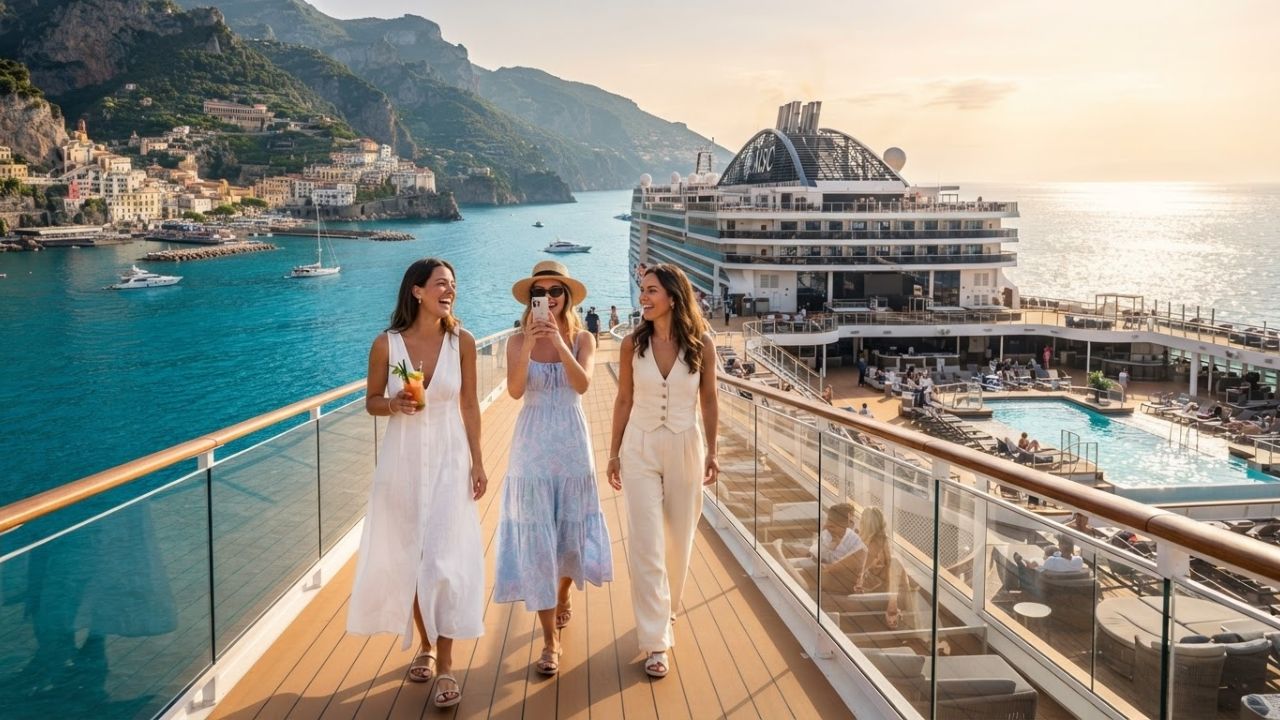
Image generated by AI
How MSC Cruises is Shaping Sustainable Maritime Travel and Local Port Connectivity in the Mediterranean in 2026
In 2026, MSC Cruises is transforming Mediterranean voyages by aligning resort-style passenger experiences with strict maritime sustainability and local community engagement. This shift toward clean technologies is redefining how cruise tourists interact with fragile historic ports.
The Local Trend Revealed
The Mediterranean cruise sector is experiencing a transition toward low-impact, environmentally responsible travel models. To meet new maritime emission regulations and address resident concerns in historic port cities, cruise lines like MSC Cruises are updating their fleet operations for the 2026 season.
Instead of deploying traditional fuel-heavy liners, operators are utilizing vessels powered by Liquefied Natural Gas (LNG) and equipped with shore-power connectivity. These technical upgrades allow ships to plug directly into local electrical grids while docked in cities like Barcelona and Genoa, eliminating local air emissions and reducing the visual and environmental footprint of maritime tourism.
Cultural & Environmental Value (Information Gain)
The adoption of cleaner maritime technologies directly supports regional conservation goals across the Mediterranean and Caribbean basins. Upgraded onboard wastewater treatment systems protect sensitive marine habitats from runoff, while strict waste management protocols reduce single-use plastic consumption.
On land, tourism boards are collaborating with operators to design excursions that support local economies. By organizing small-group visits to regional farms, heritage sites, and craft workshops, MSC is helping distribute tourism revenue away from congested port terminals and directly to family-owned businesses in nearby communities.
Visitor Insider Tips (Information Gain)
To make your Mediterranean sailing both rewarding and culturally respectful, consider these specialist tips:
- Off-Peak Travel Windows: Book your cruise during the shoulder months (April, May, or October) to enjoy pleasant temperatures, less crowded port cities, and lower booking rates.
- Cultural Etiquette: When visiting historical cathedrals and religious sites in Italy and Greece, ensure your shoulders and knees are covered, and always follow local photography restrictions.
- Local Culinary Specialties: During your port stop in Sicily, skip the tourist-heavy terminal plazas and seek out local bakeries to try traditional arancini and handmade cannoli.
- Under-the-Radar Spot: In Marseille, bypass the main harbor tour buses and take a local water shuttle to the fishing cove of Vallon des Auffes for a quiet lunch by the water.
Tourism Outlook
The long-term success of the cruise industry depends on its capacity to develop sustainable partnerships with regional ports. As cities enforce stricter visitor limits and environmental standards, cruise lines that prioritize clean energy and community-centric excursions will lead the market.
By integrating regional transit options and supporting local heritage sites, operators can turn cruise travel into a positive force for destination development. This balanced approach protects fragile European coastal ecosystems while ensuring local communities continue to benefit from international tourism.
MSC Cruises Fleet Sustainability & Route Profiles 2026
| Ship Classification | Regional Route Focus | Key Onboard Amenities | Environmental Profile & Technology |
|---|---|---|---|
| World Class Ships | Mediterranean / Caribbean | Multi-generational hubs, specialty dining | LNG propulsion, shore power connectivity |
| Meraviglia Class | Northern Europe / Caribbean | Wellness centers, indoor promenades | Advanced wastewater purification systems |
| Seaside Class | Caribbean / South America | Outdoor boardwalks, romance suites | High-efficiency hull design, LED smart lighting |
| Lirica Class | Adriatic / Eastern Med | Intimate dining, cultural lectures | Exhaust gas cleaning systems (EGCS) |
Key Takeaways
- Clean Port Technology: MSC is utilizing LNG fuel and shore-power connections to minimize port emissions in 2026.
- Community Excursions: Shore programs are being restructured to route tourist traffic to family-owned businesses outside port centers.
- Wastewater Treatment: Advanced onboard filtration systems prevent marine pollution, protecting vulnerable Mediterranean habitats.
- Smart Travel Planning: Traveling during shoulder seasons like October reduces crowding and supports year-round destination economies.
Related Travel Guides
Disclaimer
This article is for informational and educational purposes only. It does not constitute legal, financial, or professional advice. While we strive to provide accurate and up-to-date information, travel policies, regulations, and conditions change rapidly. Always verify information with official sources before making travel decisions. Nomad Lawyer makes no representations about the accuracy, reliability, completeness, or suitability of the information provided. Readers should consult qualified professionals for advice specific to their circumstances. The views expressed in this article are those of the author and do not necessarily reflect the views of Nomad Lawyer.
Kunal K Choudhary
Co-Founder & Contributor
A passionate traveller and tech enthusiast. Kunal contributes to the vision and growth of Nomad Lawyer, bringing fresh perspectives and driving the community forward.
Learn more about our team →