
Mozambique Tourism Boom 2026: South Africa and Zimbabwe Drive Surge in Cross-Border Arrivals
Cross-border tourist arrivals in Mozambique are surging in 2026, with a 30.6% increase in mobility with South Africa and a 42.1% jump in border visas issued.

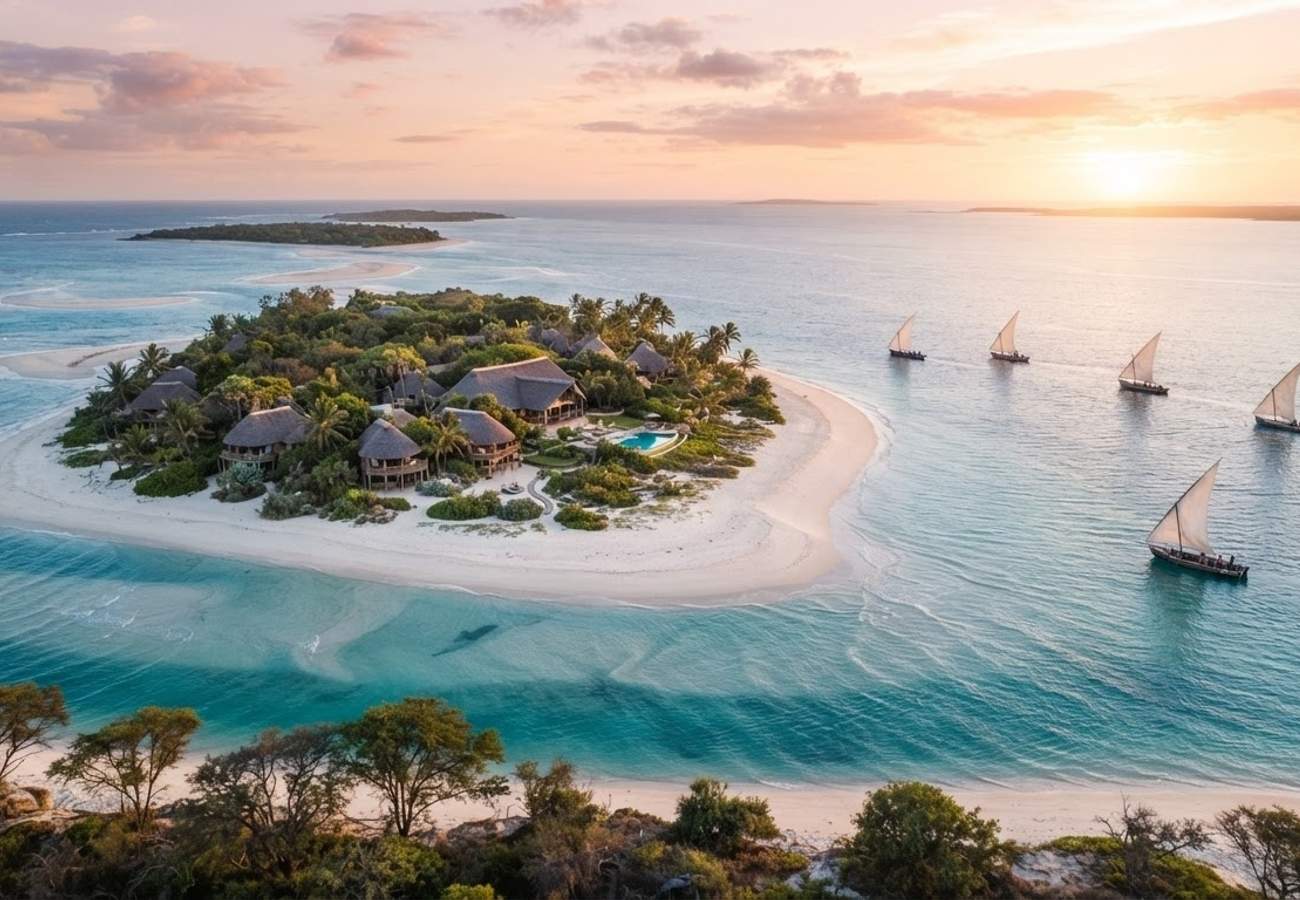
Image generated by AI
Cross-border movements into Mozambique surged by 18% during the first five months of 2026, reaching 2,465,966 travelers and signaling a massive shift in Southern African regional mobility. This spike in arrivals, primarily driven by South Africa and Zimbabwe, is creating an immediate economic windfall for local hospitality, transport operators, and coastal attractions.
The surge reflects a broader trend of increased regional integration and a growing appetite for multi-country itineraries that blend urban hubs with Indian Ocean coastlines. As border restrictions ease and infrastructure improves, Mozambique is successfully converting raw transit numbers into sustainable tourism revenue.
South Africa Drives Massive Bi-Directional Travel Volume
South Africa remains the primary engine for Mozambique's tourism growth due to established road networks and a high volume of self-drive travelers. Destinations such as Maputo, Ponta do Ouro, Tofo, Vilankulo, and Inhambane are seeing increased occupancy as South Africans seek accessible beach holidays, diving, and fishing excursions.
The economic relationship is proving to be a two-way street. Between January and June 2026, the number of arrivals from Mozambique into South Africa climbed to 1,267,205. This is a significant leap from the 970,528 arrivals recorded during the same window in 2025, marking an extraordinary growth rate of 30.6%. This high-velocity corridor ensures a steady stream of expenditure across restaurants, hotels, and transport services on both sides of the border.
Zimbabwe and Malawi Expand the Central and Northern Corridors
For landlocked Zimbabwe, Mozambique serves as the primary gateway to the Indian Ocean. The Machipanda corridor is seeing intensified traffic, linking Zimbabwean travelers to Beira and Manica. This route is facilitating a mix of leisure travel, business trips, and VFR (Visiting Friends and Relatives) tourism. By promoting the Gorongosa and Beira regions, Mozambique is capturing a market that prefers regional road trips over expensive long-haul flights.
Similarly, Malawi is becoming a vital source of tourism for northern Mozambique. Travelers from Malawi are increasingly visiting Nampula and Nacala, blending short-haul regional journeys with coastal experiences. This diversification is critical because it reduces Mozambique's reliance on distant international markets and provides year-round stability for smaller tourism operators in the north.
High-Value Synergies with Zambia and Eswatini
Zambia presents a strategic opportunity for "Safari-and-Beach" packages. Rather than competing with Zambia's established wildlife circuits, Mozambique is positioning itself as the ideal coastal extension. Travelers are now combining Victoria Falls and Zambian safari itineraries with stays in Bazaruto and Vilankulo. These multi-country journeys are high-value, as they typically involve longer stays and higher spending on specialized guides and luxury transfers.
In the south, Eswatini is fueling a different but equally important trend: short-haul, high-frequency travel. Because of its proximity, Eswatini residents are frequently visiting Maputo, Catembe, and Ponta do Ouro for weekend getaways and shopping trips. While these visitors may spend less per trip than a luxury tourist, their frequency creates a dependable, year-round revenue stream for southern Mozambican businesses.
Visa Data Reveals Sharp Increase in Foreign Mobility
Official migration data from SENAMI underscores the scale of this movement. Between January and May 2026, the issuance of border visas rose to 7,529, compared to 5,298 in the previous year—a 42.1% increase.
Even more striking is the growth in Foreign Identification and Residence Documents, which climbed from 6,548 to 9,522, representing a 45.4% surge. In total, SENAMI issued or extended 29,652 documents for foreign nationals during this five-month period, a 26.1% year-on-year increase. This data indicates that the growth is not just limited to short-term tourists but includes a rising number of expatriates and long-term visitors contributing to the local economy.
Luxury Investment in Bazaruto Archipelago
While regional volume is growing, Mozambique is also targeting the ultra-luxury segment to increase the average spend per visitor. A landmark investment by Singita is centered on the Bazaruto Archipelago. The company is committing USD 102 million to the region, with USD 60 million dedicated to a 60-bed luxury lodge on Santa Carolina Island and USD 42 million earmarked for conservation efforts within the Bazaruto Archipelago National Park.
This project is expected to generate 240 direct jobs and 260 indirect employment opportunities. By blending high-end hospitality with environmental stewardship, Mozambique is attracting a demographic of high-net-worth travelers who spend significantly more on marine activities and exclusive dining than the average cross-border visitor.
Mozambique Tourism and Travel Data for 2026
| Indicator | 2026 Data | YoY Change |
|---|---|---|
| Cross-border movements Jan–May | 2,465,966 | +18% |
| Cross-border arrivals Jan–May | 1,092,235 | — |
| Cross-border departures Jan–May | 1,373,731 | — |
| Border visas issued Jan–May | 7,529 | +42.1% |
| Foreign identification/residence documents | 9,522 | +45.4% |
| Documents issued/extended for foreigners | 29,652 | +26.1% |
| Mozambique arrivals into South Africa Jan–Jun | 1,267,205 | +30.6% |
| Planned Singita Bazaruto investment | USD 102 million | — |
| Planned Santa Carolina luxury lodge | USD 60 million | — |
| Planned Bazaruto conservation investment | USD 42 million | — |
| Expected direct jobs from Singita project | 240 | — |
| Expected indirect jobs | 260 | — |
Why This Matters: The Shift to Regional Reliance
For the traveler, this boom means significantly better infrastructure and more diverse accommodation options. The shift toward regional tourism reduces the "seasonality" of the industry; whereas international tourism often peaks once a year, the influx of neighbors from South Africa and Eswatini ensures that hotels and restaurants remain viable throughout the week and year.
From a logistical standpoint, the 42.1% increase in border visas suggests that administrative bottlenecks are being addressed, making the region more permeable. For the business owner, the real opportunity lies in "circuit tourism"—creating packages that link Mozambique's beaches with Zimbabwe's landscapes or Zambia's wildlife. By moving away from a "single-destination" model and embracing a "regional-hub" model, Mozambique is securing its economic future against the volatility of long-haul international travel.
Mozambique is no longer just a transit point; it is becoming the premier coastal anchor of Southern Africa.
Related Travel Guides
Disclaimer
This article is for informational and educational purposes only. It does not constitute legal, financial, or professional advice. While we strive to provide accurate and up-to-date information, travel policies, regulations, and conditions change rapidly. Always verify information with official sources before making travel decisions. Nomad Lawyer makes no representations about the accuracy, reliability, completeness, or suitability of the information provided. Readers should consult qualified professionals for advice specific to their circumstances. The views expressed in this article are those of the author and do not necessarily reflect the views of Nomad Lawyer.
Kunal K Choudhary
Co-Founder & Contributor
A passionate traveller and tech enthusiast. Kunal contributes to the vision and growth of Nomad Lawyer, bringing fresh perspectives and driving the community forward.
Learn more about our team →