
Most Beautiful Train Journeys in Europe: Scenic Rail Routes Through the Swiss Alps, Scottish Highlands, and Italian Coast
Explore the most scenic train journeys in Europe, from the Glacier Express in the Swiss Alps to Norway's steep Flåm Railway.

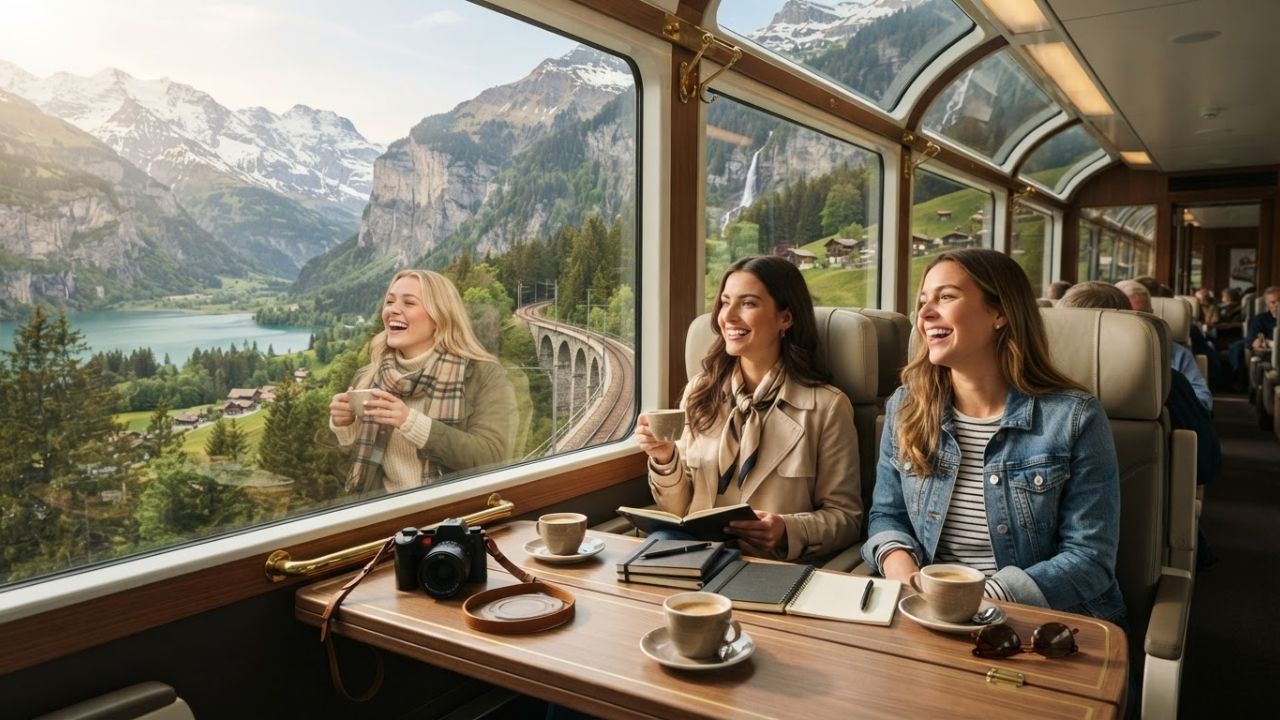
Image generated by AI
Scenic rail travel offers a relaxed way to discover Europe's historic landscapes. From the high Swiss Alps to coastal Mediterranean cliffs, these train journeys connect nature and culture.
Continental Rail Networks Support Immersive Travel Experiences
According to reports, slow travel is growing in popularity as tourists seek alternatives to short-haul aviation.
Official rail booking portals overseen by Eurail confirm high passenger bookings for scenic routes this season.
Ticketing updates published by the Swiss Federal Railways (SBB) show steady demand for alpine panoramic cars.
Because European rail lines pass through protected national parks and steep mountain passes, they offer access to remote locations.
The table below outlines the key details for the continent's most celebrated rail routes.
Most Beautiful Scenic Train Journeys in Europe
| Scenic Rail Route | Starting / Ending Stations | Key Geographic Features | Recommended Travel Season |
|---|---|---|---|
| Glacier Express | Zermatt to St. Moritz (Switzerland) | High alpine peaks, deep gorges, historic viaducts | Winter (for snow views) and Summer (for green valleys) |
| Bernina Express | Chur (Switzerland) to Tirano (Italy) | Glaciers, turquoise alpine lakes, loop tunnels | Year-round (spring offers striking contrast) |
| West Highland Line | Glasgow to Mallaig (Scotland) | Remote moorlands, Glenfinnan Viaduct, sea lochs | Spring and Autumn (for changing heather colors) |
| Flåm Railway | Myrdal to Flåm (Norway) | Steep fjord valleys, waterfalls, steep gradients | Summer (for active waterfalls and green cliffs) |
| Cinque Terre Line | La Spezia to Levanto (Italy) | Pastel coastal villages, cliff tunnels, sea vistas | Spring and Summer (ideal for coastal explorers) |
Swiss Alpine Express Lines Connect Key Resort Stations
The Glacier Express is globally recognized for its panoramic passenger cars and leisurely pace.
Connecting the resort towns of Zermatt and St. Moritz, the train crosses 291 bridges and passes through 91 tunnels.
Passengers view the Matterhorn and descend into the Rhine Gorge, enjoying views through oversized glass windows.
For travelers looking to cross into southern Europe, the Bernina Express runs from Switzerland into northern Italy.
This route reaches an elevation of 2,253 meters at the Ospizio Bernina station before descending into the town of Tirano.
Scottish and Scandinavian Rail Corridors Offer Rugged Natural Vistas
The West Highland Line in Scotland is celebrated for its path through the remote wilderness of Rannoch Moor.
As the train approaches the coast, it crosses the Glenfinnan Viaduct, offering views of Loch Shiel.
This route connects central Scotland to the western ferry ports, serving both local commuters and global travelers.
In Scandinavia, the Flåm Railway descends 862 meters from the mountain station of Myrdal down to the Aurlandsfjord.
- Waterfall Views: The train pauses briefly at the Kjosfossen waterfall, allowing passengers to take photos from the platform.
- Engineering Design: The track uses a steep standard-gauge gradient, making it an engineering model for mountain transport.
- Eco-tourism: Norwegian authorities support the line as a clean, low-carbon option to explore the fjord region.
Mediterranean Coastal Lines Showcase Regional Historic Villages
Italy's Cinque Terre train route connects five coastal villages along the rocky cliffs of Liguria.
The train runs through tunnels cut into the rock, with brief openings that reveal views of the Mediterranean Sea.
This rail line allows visitors to travel between the villages of Riomaggiore, Manarola, Corniglia, Vernazza, and Monterosso.
Using the train helps reduce car traffic on the narrow coastal roads, protecting the local environment.
Travelers can use regional day passes to hop on and off the train, combining hiking with rail transit.
Why This Matters
Our analysis of the transport data indicates that scenic rail routes play an important role in distributing tourism spend away from crowded cities. By carrying visitors through rural communities, these trains support local hospitality businesses.
Additionally, using electric trains on routes like the Bernina Express reduces the carbon footprint of holiday travel.
This supports European Union goals to lower transport emissions while maintaining regional connectivity.
For passengers, rail travel removes the stress of airport security lines and baggage weight limits.
Ultimately, these scenic routes show that the journey itself can be a major destination highlight.
Forward Outlook
Market trends suggest that national railway operators will invest in upgraded passenger cars to meet the demand for luxury rail tours. Inter-operator ticketing agreements are expected to make booking multi-country journeys simpler.
Expect scenic rail capacity to remain high as operators run extra carriages during the peak summer months. The regional rail tourism market is projected to see steady growth through the next decade.
Disclaimer
This article is for informational and educational purposes only. It does not constitute legal, financial, or professional advice. While we strive to provide accurate and up-to-date information, travel policies, regulations, and conditions change rapidly. Always verify information with official sources before making travel decisions. Nomad Lawyer makes no representations about the accuracy, reliability, completeness, or suitability of the information provided. Readers should consult qualified professionals for advice specific to their circumstances. The views expressed in this article are those of the author and do not necessarily reflect the views of Nomad Lawyer.
Kunal K Choudhary
Co-Founder & Contributor
A passionate traveller and tech enthusiast. Kunal contributes to the vision and growth of Nomad Lawyer, bringing fresh perspectives and driving the community forward.
Learn more about our team →