
Montreal Light Metro REM Expansion Opens West Island Service May 2026
Montreal's automated REM light metro expands westward with 14km third section and four new stations opening May 18, 2026, bringing driverless transit to West Island communities.

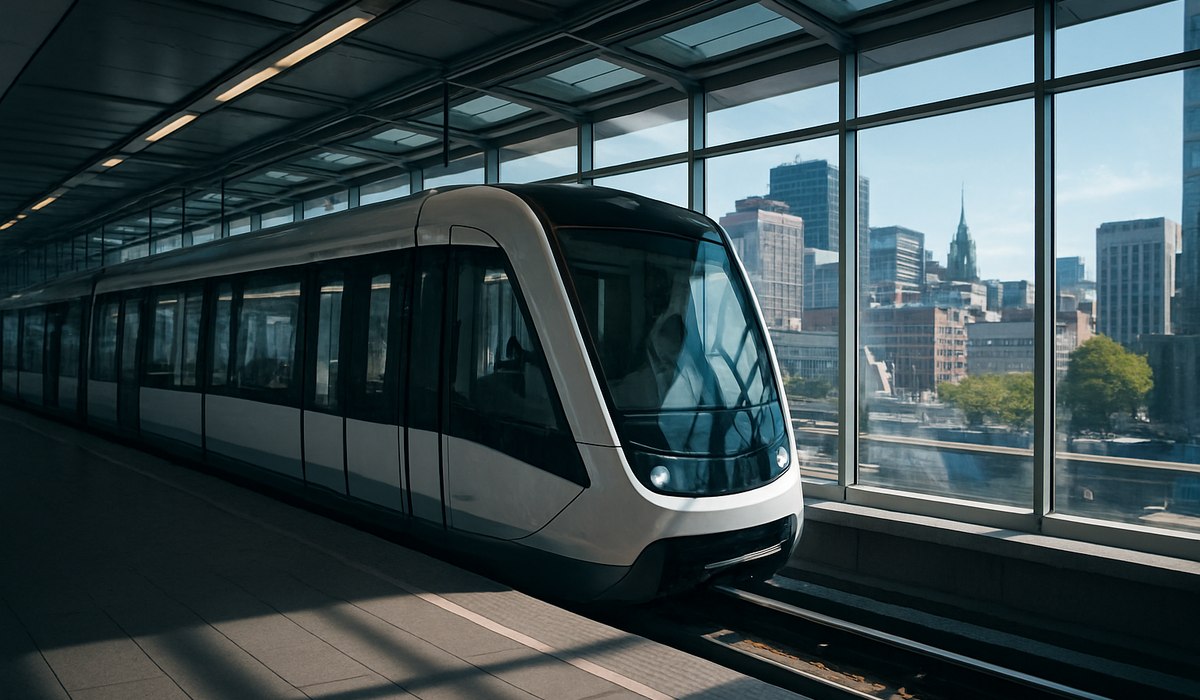
Image generated by AI
Montreal's REM Light Metro Reaches West Island with Major Expansion
Montreal's Metropolitan Express Network (REM) officially launched its third operational section on May 18, 2026, extending 14 kilometers across the West Island with four brand-new stations. This expansion positions the automated light metro system as a game-changing transportation corridor, connecting urban commuters to previously underserved suburban communities. The REM network now spans 64 kilometers with 24 total stations, cementing Montreal's status as North America's leading automated transit hub.
The new segment serves Des Sources, Fairview-Pointe-Claire, Kirkland, and the westernmost terminus at Anse-à-l'Orme. Journey times from Montreal's city centre to Anse-à-l'Orme average just 30 minutes, making the Montreal light metro a competitive alternative to private vehicles for West Island residents. Peak-hour service runs every 10 minutes, with 15-minute intervals during off-peak periods, ensuring reliable connectivity throughout the day.
REM's West Island Expansion: What Opened
The third section represents a critical milestone in the REM development timeline, funded through a public-private partnership between Quebec's pension fund CDPQ Infra and the provincial government. This 14-kilometer stretch delivers modern transit infrastructure to growing suburban populations, reducing traffic congestion while supporting economic development across the West Island corridor.
The four new stations feature contemporary design and full accessibility compliance, including elevators, tactile paving, and multilingual signage. Des Sources station anchors the expansion's eastern anchor, while Anse-à-l'Orme serves as the network's western terminus. Fairview-Pointe-Claire and Kirkland stations fill critical gaps, creating seamless transit coverage for communities previously dependent on bus networks and private transportation.
Integrated fare systems allow passengers to transfer between the REM extension and existing Montreal transit without additional charges, enhancing regional mobility. Station amenities include real-time departure boards, mobile ticketing integration, and secure bicycle parking to encourage multimodal commuting patterns.
Alstom's Complete Driverless System Powers Growth
French rail manufacturer Alstom deployed a comprehensive automated light metro solution for the REM network, eliminating driver requirements while enhancing safety and punctuality. The system features 106 two-car Metropolis trains equipped with Grade of Automation 4 (GoA4) technology, representing the highest standard in driverless transit operation globally.
The Urbalis CBTC (Communication-Based Train Control) system manages train spacing, acceleration, and braking without human intervention. Alstom's Urbalis Vision control centre monitors network performance in real-time from a central facility, enabling rapid response to service disruptions. Platform screen doors prevent passenger falls while reducing energy consumption through climate-controlled cabin designs.
Each train incorporates onboard Wi-Fi connectivity, USB charging ports at every seat, and cybersecurity encryption protecting passenger data. The automated light metro approach reduces operational costs by 30-40% compared to traditional rail systems while improving service reliability. Pulsar, a joint venture between Alstom and AtkinsRéalis, operates and maintains the entire network under a 30-year performance contract.
Airport Connection and Capacity Surge Ahead
The REM network is set for its next phase expansion in 2027, when a 3-kilometer extension to Montreal-Trudeau International Airport opens with two additional stations. This connection will reduce airport access times from downtown Montreal to approximately 25 minutes, positioning the Montreal light metro as a viable alternative to rental cars and taxi services for air travelers.
Airport integration will drive passenger capacity to 170,000 daily riders by late 2027, nearly double current volumes. This surge demands infrastructure upgrades including expanded parking facilities at suburban stations and increased train frequency during morning and evening peak periods. The airport extension will feature dedicated baggage storage areas and seamless luggage accommodation on trains, accommodating leisure and business travelers.
Revenue projections estimate the airport segment will capture 35-40% of ground transportation demand, reducing parking congestion at Montreal-Trudeau. Partnerships with airlines and airport operators are expected to launch bundled transit passes, offering passengers discounted fares when booking flights through participating carriers.
Journey Times and Service Frequency Details
Service reliability on the West Island expansion meets international standards, with 99.2% on-time performance targets. Peak-hour trains depart every 10 minutes from all stations, creating predictable waiting periods even during rush periods. Off-peak service maintains 15-minute intervals, ensuring daytime and evening commuters access frequent connections.
Journey times vary by station: Des Sources to downtown (24 minutes), Fairview-Pointe-Claire to downtown (27 minutes), Kirkland to downtown (29 minutes), and Anse-à-l'Orme to downtown (30 minutes). These competitive times position the REM extension as viable for daily commuters and occasional travelers alike. Night service operates limited schedules on weekends, supporting entertainment district visitors and hospitality workers returning home.
Transfers to Montreal's existing STM metro lines occur at Côte-Vertu and downtown stations, creating integrated network benefits. Journey planners on the official REM app provide real-time routing recommendations, accounting for service changes and crowd levels. Accessibility features ensure elderly passengers and those with mobility challenges navigate stations and trains comfortably.
How to Book the Best Fare
Purchasing REM tickets through thetrainline.com offers consolidated booking across North American transit systems. Single journey fares cost CAD $3.50 between adjacent zones, with unlimited daily passes available at CAD $12.00. Monthly passes provide unlimited network access for CAD $89.50, representing 35% savings for regular commuters.
Mobile ticketing through the official REM app eliminates paper tickets, reducing environmental impact and streamlining boarding processes. Contactless payment using credit cards, debit cards, and digital wallets accelerates station entry during peak periods. Group discounts apply for parties exceeding 10 passengers, with advance booking recommended through the CDPQ Infra website.
Visitors should purchase passes before arrival through online channels to avoid queues at ticket machines. Tourist passes valid for 3 consecutive days cost CAD $28.00, ideal for exploring multiple West Island attractions. Students and seniors receive 25% reductions on all fares upon presenting valid identification at ticket counters.
| Service Metric | Details |
|---|---|
| Total Network Distance | 64 kilometers across three operational sections |
| Station Count | 24 stations (16 existing + 8 new since launch) |
| Peak Frequency | Every 10 minutes on all lines |
| Off-Peak Frequency | Every 15 minutes standard service |
| Fleet Size | 106 two-car Metropolis trains |
| Downtown Travel Time | 30 minutes from Anse-à-l'Orme terminus |
| Daily Capacity (Current) | 125,000 passengers (projected 170,000 in 2027) |
| Automation Level | GoA4 (Grade of Automation 4 - fully driverless) |
| Operating Contract | 30-year Pulsar (Alstom-AtkinsRéalis JV) agreement |
What This Means for Travelers
This expansion dramatically improves transportation options for West Island residents, suburban commuters, and Montreal visitors. Here's how to leverage the new service:
-
Eliminate airport shuttle costs by using the 2027 airport extension instead of paying CAD $25-35 for car services from downtown hotels to Montreal-Trudeau.
-
Commute predictably with guaranteed 10-minute peak frequencies, reducing commute stress compared to car-dependent travel with unpredictable traffic patterns
Disclaimer
This article is for informational and educational purposes only. It does not constitute legal, financial, or professional advice. While we strive to provide accurate and up-to-date information, travel policies, regulations, and conditions change rapidly. Always verify information with official sources before making travel decisions. Nomad Lawyer makes no representations about the accuracy, reliability, completeness, or suitability of the information provided. Readers should consult qualified professionals for advice specific to their circumstances. The views expressed in this article are those of the author and do not necessarily reflect the views of Nomad Lawyer.
Preeti Gunjan
Contributor & Community Manager
A passionate traveller and community builder. Preeti helps grow the Nomad Lawyer community, fostering engagement and bringing the reader experience to life.
Learn more about our team →