
Mississippi Tourism Surges to Fourth-Largest State Industry
Mississippi's tourism sector has surged to become the state's fourth-largest industry in 2026, generating $18.1 billion in economic impact and welcoming 44.2 million visitors annually, reshaping the Magnolia State's economic landscape.

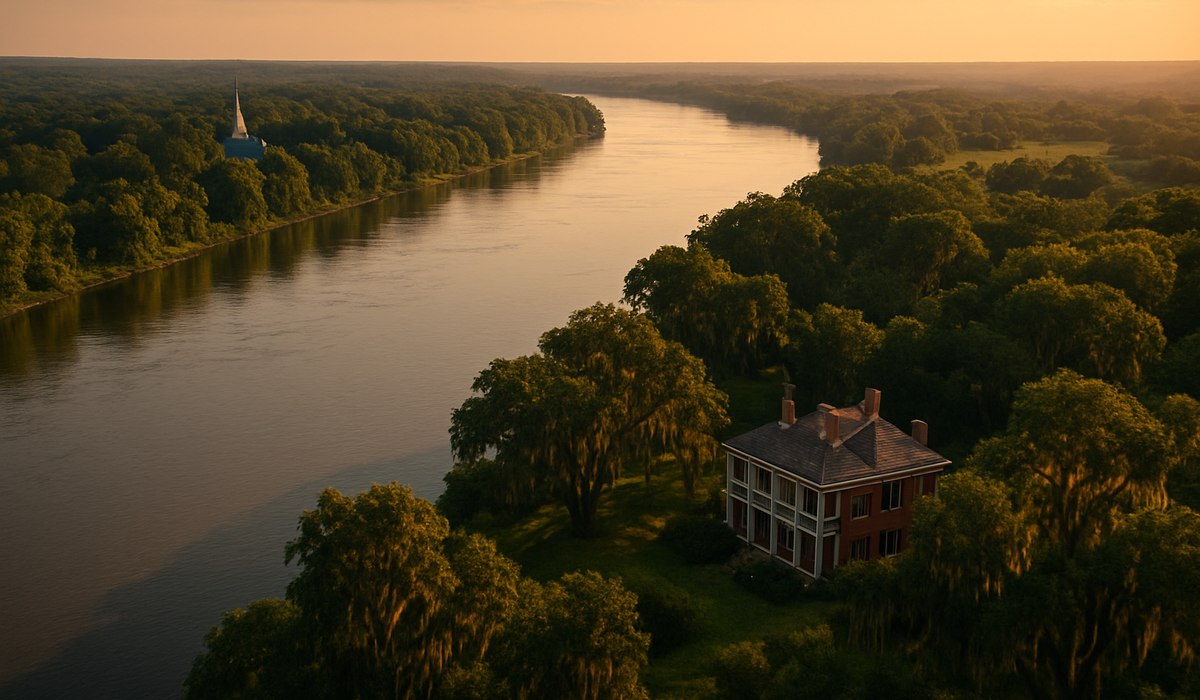
Image generated by AI
Mississippi's Tourism Sector Becomes Fourth-Largest State Industry
Mississippi's tourism industry has accelerated into the state's fourth-largest economic sector, according to 2026 data released by state development authorities. The Magnolia State welcomed 44.2 million visitors who generated $18.1 billion in total economic impact. This milestone reflects a dramatic transformation in how Mississippi's economy is structured, elevating travel and hospitality above several traditionally dominant industries. The surge underscores the increasing value of cultural heritage, outdoor recreation, and destination marketing investments across the American South.
Record Visitor Numbers and Rising Economic Impact
Tourism activity in Mississippi has reached historic levels. The state welcomed approximately 44.2 million visitors during the most recent reporting year, marking sustained growth in both leisure and business travel categories. Direct visitor spending reached $11.9 billion across lodging, food and beverage establishments, retail outlets, attractions, and transportation services.
When economists calculate indirect and induced economic effects—measuring how visitor dollars circulate through supplier networks and local payrolls—the total mississippi tourism impact climbs to $18.1 billion. This multiplier effect demonstrates how tourism dollars extend far beyond immediate hospitality transactions. A single hotel stay generates spending at laundries, food distributors, construction firms, and countless other businesses supporting visitor-facing operations.
These figures surpass pre-pandemic benchmarks from 2019, positioning Mississippi competitively within the broader southern United States travel market. Consecutive years of recovery and expansion have established tourism as a stable revenue source for state and local governments. Industry analysts attribute this growth to strategic destination marketing and diversified product offerings across multiple regions.
Direct and Indirect Economic Contributions
The economic anatomy of Mississippi's tourism boom reveals multiple revenue streams feeding the state economy. Direct spending categories—those dollars visitors spend directly at tourism businesses—account for $11.9 billion annually. Hotel occupancy rates, restaurant covers, attraction admissions, and retail transactions drive this primary economic layer.
Indirect contributions emerge when tourism businesses purchase supplies and services from other sectors. A restaurant buying produce from local farms, a hotel contracting housekeeping services, or an attraction purchasing insurance from regional providers all exemplify indirect economic activity. Induced effects follow as employees of tourism businesses spend their wages throughout their communities, supporting schools, healthcare, groceries, and other household needs.
Tourism employment in Mississippi exceeds 130,000 jobs—roughly one in every 13 positions statewide. Labor income from tourism reaches $4.5 billion annually. These positions span full-service hotels, boutique restaurants, tour operators, retail shops, and transportation services. Many jobs concentrate in small businesses where visitor volumes directly determine profitability and employment stability.
Government revenues from tourism activity total approximately $2.2 billion, including $1.1 billion in state and local taxes. These funds support education, infrastructure, public safety, and community development without proportionally increasing resident tax burdens. Tourism-derived revenues have funded downtown revitalization projects, trail systems, cultural programming, and beautification initiatives in communities across the state.
Positioning Mississippi in the Southern Travel Market
Mississippi's tourism renaissance reflects strategic positioning against competing southeastern destinations. The state offers distinct regional experiences unavailable elsewhere. Gulf Coast destinations feature beach recreation and gaming facilities. The Mississippi Delta preserves blues heritage, civil rights history, and literary traditions. Central Mississippi provides scenic small towns, antebellum architecture, and outdoor recreation opportunities.
Visit Mississippi—the state tourism authority operating within the Mississippi Development Authority—orchestrates coordinated marketing emphasizing these differentiated assets. The organization promotes music heritage, culinary traditions, literary history, and natural landscapes that distinguish Mississippi from neighboring states offering similar coastal or inland products.
Digital promotion has become central to visitor acquisition strategies. Content creation targeting domestic and international travelers occurs across social platforms, travel websites, and tourism publications. Attendance at major trade shows and consumer events connects Mississippi with travel agents, tour operators, and independent travelers planning southern itineraries.
Familiarization tours enabling media and industry professionals to experience Mississippi firsthand have generated significant earned media coverage. Press trips, blogger partnerships, and influencer collaborations amplify marketing reach beyond traditional advertising. Cooperative promotional campaigns help smaller communities gain visibility that independent marketing budgets could not achieve.
Visit Mississippi's Role in Coordinating Growth
Visit Mississippi functions as both a brand steward and facilitator of regional tourism ecosystem development. Partnerships with local convention and visitors bureaus align destination messaging while respecting community autonomy. Regional tourism alliances bundle products encouraging longer stays and expanded visitor exploration throughout Mississippi's diverse geography.
Main Street organization collaborations strengthen downtown districts as visitor destinations. Historic preservation efforts, small business support, and streetscape improvements enhance visitor experiences while improving quality of life for residents. This dual benefit—simultaneous enhancement for both travelers and locals—characterizes successful community-based tourism development.
The organization's marketing emphasizes authentic experiences rather than generic attractions. Visitors encounter genuine cultural programming, locally-owned restaurants, independent shops, and community-driven events. This authenticity differentiates Mississippi in an increasingly commodified travel market where mass tourism often diminishes local character.
Investment in relationship-building with travel writers, photographers, podcasters, and video creators generates editorial coverage amplifying paid marketing budgets. Strategic partnerships with travel guides and online platforms expand Mississippi's visibility among trip planners. Social media engagement connects directly with prospective visitors during critical decision-making windows.
Employment, Tax Revenue, and Community Prosperity
The employment impact of mississippi tourism surges extends beyond hospitality into supporting sectors. Hotel construction, restaurant equipment installation, attraction development, and transportation infrastructure improvements create multiplier employment effects. Architects, engineers, contractors, and tradespeople benefit from visitor-driven development investments.
Tax revenue stability matters significantly for communities dependent on tourism. Unlike industries vulnerable to automation or outsourcing, tourism requires local human presence and creates revenue streams difficult to relocate. This permanence provides economic resilience, particularly in rural areas where tourism supplements agricultural or extractive industries.
Community investment outcomes manifest visibly. Parks receive trail improvements. Historic properties undergo restoration. Cultural venues expand programming. Public safety infrastructure strengthens. These improvements enhance visitor experiences while creating livability benefits residents value independently of tourism considerations.
Economic diversification through tourism reduces community vulnerability to sector-specific downturns. Mississippi economies previously dominated by agriculture, forestry, or manufacturing now benefit from tourism diversification. Multiple revenue sources provide greater stability than historically monoculture-dependent economies.
Key Tourism Metrics: Mississippi 2026 Economic Impact
| Metric | Amount | Details |
|---|---|---|
| Annual Visitors | 44.2 million | State visitation volume, 2026 reporting year |
| Direct Spending | $11.9 billion | Lodging, F&B, retail, attractions, transportation |
| Total Economic Impact | $18.1 billion | Includes indirect and induced economic effects |
| Tourism Employment | 130,000+ jobs | Roughly 1 in 13 statewide positions |
| Labor Income | $4.5 billion | Annual wages from tourism-related employment |
| Government Revenues | $2.2 billion | State and local tax receipts from tourism |
| State/Local Taxes | $1.1 billion | Direct tax contributions to government budgets |
| Industry Ranking | 4th Largest | Position in Mississippi's economic sectors |
What This Means for Travelers
Mississippi's emergence as a tourism powerhouse creates tangible benefits for visitors planning southern destinations. Here's what the tourism surge means for your travel planning:
-
Enhanced Infrastructure Investment: Growing visitor volumes justify infrastructure improvements. Travelers encounter better-maintained roads, expanded parking facilities, renovated attractions, and improved airport services across the state.
-
Expanded Accommodation Options: Increased demand attracts hotel development across price ranges. Visitors now choose from luxury resorts, mid-range chains, and boutique properties unavailable a decade ago, creating competition that moderates pricing.
-
Diversified Dining Experiences: Tourism growth supports restaurants of varying cuisines and price points. Independent restaurants focusing on regional special
Disclaimer
This article is for informational and educational purposes only. It does not constitute legal, financial, or professional advice. While we strive to provide accurate and up-to-date information, travel policies, regulations, and conditions change rapidly. Always verify information with official sources before making travel decisions. Nomad Lawyer makes no representations about the accuracy, reliability, completeness, or suitability of the information provided. Readers should consult qualified professionals for advice specific to their circumstances. The views expressed in this article are those of the author and do not necessarily reflect the views of Nomad Lawyer.
Preeti Gunjan
Contributor & Community Manager
A passionate traveller and community builder. Preeti helps grow the Nomad Lawyer community, fostering engagement and bringing the reader experience to life.
Learn more about our team →