
Minnesota's Once-Thriving Lake Has Dried Up, Leaving State Park Visitors With Fewer Options
Minnesota's beautiful lakes are a major draw for summer visitors, but one beloved destination has disappeared. A once-thriving lake has completely dried up, forcing state park visitors to reconsider their travel plans and explore alternative attractions.

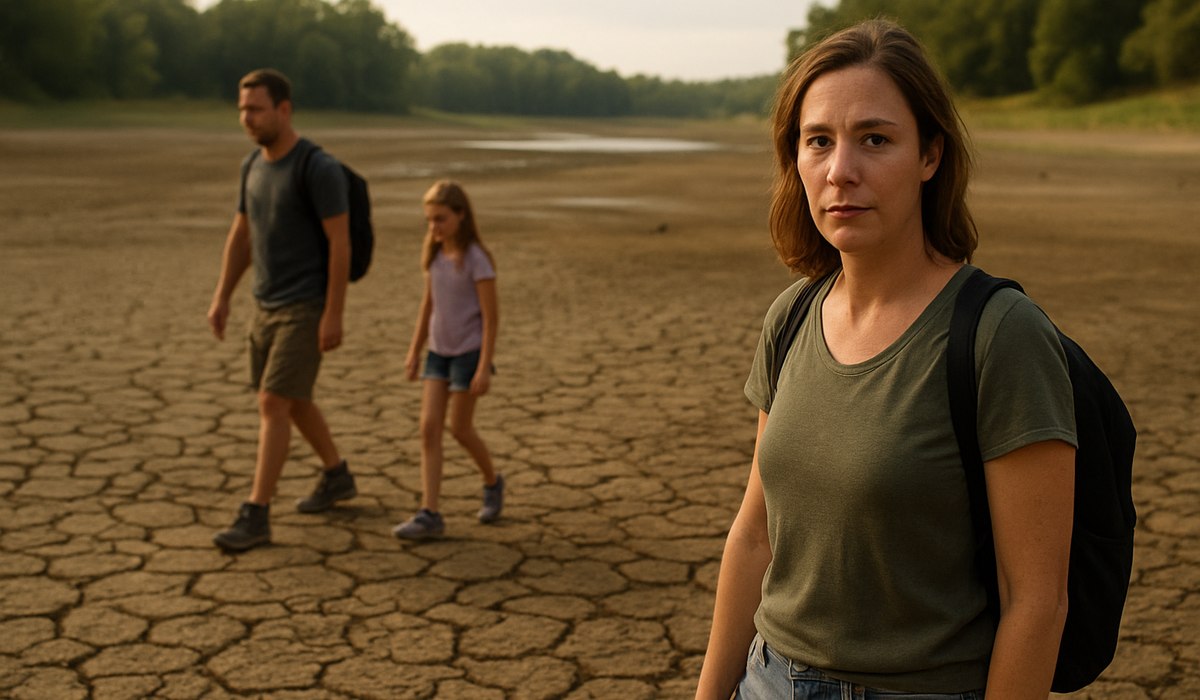
Image generated by AI
Minnesota's Once-Thriving Lake Has Dried Up, Leaving State Park Visitors With Fewer Options
There are plenty of reasons to visit Minnesota during the summer, but if a trip to this lake was on your itinerary, you may have to change plans.
A Beloved Destination Disappears
Minnesota has long been known as the "Land of 10,000 Lakes," attracting visitors from across the country who come to experience the state's natural beauty and outdoor recreation opportunities. However, one of these cherished water destinations has recently undergone a dramatic transformation that has caught both residents and tourists off guard.
The complete disappearance of this once-thriving lake represents a significant loss for the local community and the tourism industry. What was once a vibrant hub of activity—filled with swimmers, boaters, and nature enthusiasts—now sits empty, its basin exposed to the elements.
What Happened?
The drying up of this Minnesota lake can be attributed to a combination of factors:
- Prolonged drought conditions affecting the region
- Increased water usage for agricultural and residential purposes
- Changing precipitation patterns linked to climate variability
- Natural evaporation cycles during particularly hot summers
- Groundwater depletion from sustained usage
These interconnected issues have created a perfect storm that ultimately led to the lake's complete depletion. What seemed unimaginable just years ago has become a harsh reality for those who depended on this natural resource.
Impact on State Park Visitors
The drying of this lake has created significant challenges for Minnesota's state parks and the visitors who plan their summer vacations around these attractions. Popular activities that once defined the summer experience in the region—such as swimming, kayaking, and fishing—are no longer possible at this location.
Affected Activities
- Water sports: Boating, kayaking, and canoeing have come to a halt
- Swimming and beach recreation: Beaches once bustling with families now stand abandoned
- Fishing: Anglers will need to seek alternative lakes for their catch
- Wildlife viewing: Aquatic ecosystems and bird-watching opportunities have disappeared
This disruption has forced visitors to reconsider their summer plans and explore alternative destinations within Minnesota's network of state parks.
Alternative Minnesota Destinations
While this particular lake may no longer be viable, Minnesota still offers plenty of remarkable alternatives for summer travelers:
Other Great Minnesota Lakes
- Lake Superior: The largest freshwater lake in North America, perfect for all water activities
- Boundary Waters Canoe Area Wilderness: A pristine destination for paddling and camping
- Mille Lacs Lake: Minnesota's second-largest lake with excellent fishing and recreation
- Lake of the Woods: A vast water destination offering diverse recreational opportunities
- Rainy Lake: Known for its scenic beauty and abundant wildlife
State Park Alternatives
Consider exploring other Minnesota state parks that offer hiking, camping, and nature activities beyond water-based recreation. Many parks feature scenic trails, geological formations, and diverse ecosystems that can provide memorable experiences.
Looking Forward
This situation serves as a sobering reminder of the importance of water conservation and environmental stewardship. As climate patterns continue to shift and demand for freshwater resources increases, Minnesota and other states will need to develop sustainable solutions to protect their natural resources.
The drying of this lake may be a temporary setback for Minnesota's tourism industry, but it also presents an opportunity to:
- Invest in water conservation infrastructure
- Support scientific research on climate adaptation
- Develop sustainable tourism practices
- Raise awareness about freshwater preservation
Plan Your Minnesota Summer
Don't let this setback discourage you from experiencing Minnesota's natural beauty. With thousands of lakes still thriving across the state, there are countless opportunities for memorable summer adventures. When planning your Minnesota getaway, consider:
- Checking water levels and conditions before visiting
- Exploring multiple destinations to maximize your experience
- Supporting local conservation efforts
- Choosing eco-friendly travel options
Frequently Asked Questions
Q: When did the lake completely dry up? A: The lake's water levels have declined significantly over the past few years, with complete depletion occurring during the most recent drought period.
Q: Will the lake refill naturally? A: Without significant changes in precipitation patterns and water management practices, natural refilling is unlikely in the near term.
Q: Are other Minnesota lakes at risk? A: Yes, many lakes across Minnesota are experiencing lower water levels and should be monitored for similar conditions.
Q: What can I do to help? A: Support water conservation initiatives, practice sustainable tourism, and advocate for environmental protection policies.
Q: When is the best time to visit Minnesota lakes? A: Spring and early summer typically offer the most reliable water levels, though it's always wise to check conditions ahead of time.
Have you experienced changes to your favorite Minnesota destination? Share your thoughts and alternative lake recommendations in the comments below.
Disclaimer
This article is for informational and educational purposes only. It does not constitute legal, financial, or professional advice. While we strive to provide accurate and up-to-date information, travel policies, regulations, and conditions change rapidly. Always verify information with official sources before making travel decisions. Nomad Lawyer makes no representations about the accuracy, reliability, completeness, or suitability of the information provided. Readers should consult qualified professionals for advice specific to their circumstances. The views expressed in this article are those of the author and do not necessarily reflect the views of Nomad Lawyer.
Preeti Gunjan
Contributor & Community Manager
A passionate traveller and community builder. Preeti helps grow the Nomad Lawyer community, fostering engagement and bringing the reader experience to life.
Learn more about our team →