
Middle East Flight Disruption Triggers Over One Hundred Seventy Cancellations and Eight Hundred Delays Affecting Emirates Saudia and Qatar Airways
Middle East flight operations face disruption with 170 cancellations and 829 delays due to regional security tensions and updated airspace warnings.

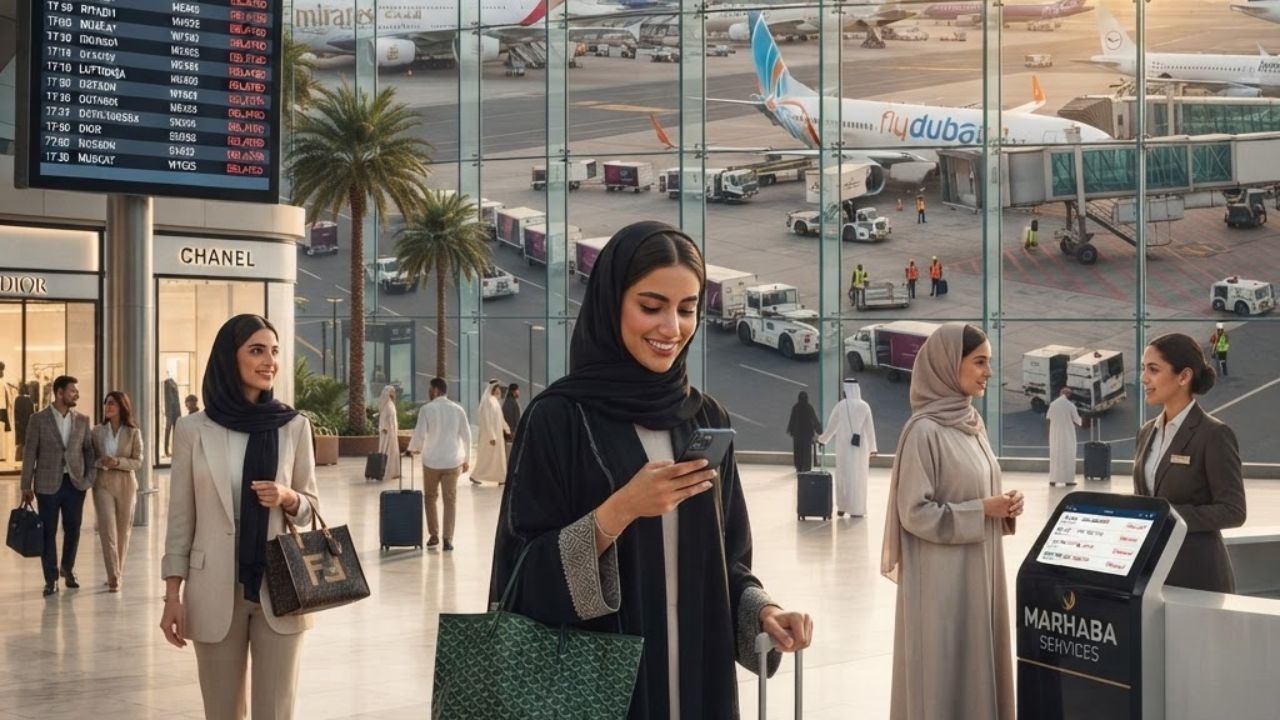
Image generated by AI
Middle East Flight Disruption Triggers Over One Hundred Seventy Cancellations and Eight Hundred Delays Affecting Emirates Saudia and Qatar Airways
Renewed security tensions and updated airspace advisories in the Gulf region have led to flight disruptions. Airlines operating across Saudi Arabia, Qatar, the United Arab Emirates, Bahrain, and Turkey have cancelled over 170 flights and delayed 829.
The Core Transit Update
Flight tracking data from FlightAware indicates that military activity and updated airspace safety alerts have led to flight cancellations and delays across major Middle Eastern aviation hubs. The European Union Aviation Safety Agency (EASA) has issued warnings advising commercial carriers to exercise caution when operating over Bahrain, Kuwait, Qatar, the UAE, and the Gulf of Oman, prompting airlines to reroute flights and adjust schedules.
The disruption has led to 170 flight cancellations and 829 delays across the region. Dubai International Airport (DXB) recorded 291 delayed departures and arrivals, with Emirates managing 197 delayed flights. King Khalid International Airport (RUH) in Riyadh reported the highest number of cancellations at 32 flights, with Saudia recording 96 cancellations across its network. In southern Saudi Arabia, regional airports including Gizan (31 cancellations), Najran (18 cancellations), and Abha (11 cancellations) experienced suspensions due to proximity to military border zones.
Additionally, international carriers including Air Canada, British Airways, Air France, Lufthansa, Singapore Airlines, and KLM have extended flight suspensions or reduced services to regional destinations through August and September.
Flight Disruption and Airport Impact Breakdown
The operational impact remains concentrated at primary international hubs and border airports. The table below lists the cancellations and delays across the hardest-hit Middle Eastern airports:
| Airport Hub (Code) | Location Country | Recorded Flight Delays | Recorded Flight Cancellations | Most Disrupted Airlines |
|---|---|---|---|---|
| Dubai International (DXB) | United Arab Emirates | 291 | 19 | Emirates, Flydubai |
| Hamad International (DOH) | Qatar | 163 | 12 | Qatar Airways, Air Arabia |
| Sabiha Gökçen (SAW) | Turkey | 145 | 2 | Pegasus Airlines, AJet |
| King Khalid (RUH) | Saudi Arabia | 77 | 32 | Saudia, Flynas, flyadeal |
| King Abdulaziz (JED) | Saudi Arabia | 64 | 25 | Saudia, flyadeal, Flynas |
| Gizan Airport (GIZ) | Saudi Arabia | Multiple | 31 | Saudia, Air Arabia |
| Najran Airport (EAM) | Saudi Arabia | Multiple | 18 | Saudia, flyadeal |
| Abha International (AHB) | Saudi Arabia | Multiple | 11 | flydubai, Air Arabia |
Traveler Logistics Guide (Information Gain)
For passengers facing security-related delays or cancellations in the Middle East, the following logistics guidelines will support a rebooking process:
- Verify Rights Under Local Regulators: If you are departing from a Saudi airport, you are protected by the passenger rights regulations of the General Authority of Civil Aviation (GACA). Under these rules, airlines must provide meals, refreshments, and hotel accommodation for extended delays, even when caused by safety and security factors.
- EU261 Compensation Boundaries: For passengers flying to or from the Middle East on European carriers (such as Air France, KLM, or Lufthansa), note that delays caused by military activity or airspace closures are classified as "extraordinary circumstances," meaning airlines are exempt from paying cash compensation, though they must still provide duty-of-care support (meals and accommodation).
- Early Airport Arrival Advisories: Emirates and flydubai have advised passengers departing from Dubai (DXB) to arrive at the terminal at least 3 hours before scheduled departure, complete security screening 90 minutes before boarding, and remain at the gate 1 hour before departure to assist with passenger boarding flows.
- Baggage and Re-routing Management: If your connection through a Gulf hub is cancelled, do not leave the transit area to claim your baggage unless instructed. Work with the transfer desk agents to arrange re-routing on partner airlines, which will ensure your luggage is transferred.
- Tracking Airspace Updates: Monitor real-time airspace closures and flight paths using live transponder tracking applications to confirm if your flight route requires long bypass flight paths, which can add 60 to 120 minutes to your travel time.
Infrastructure and Regional Aviation Assessment
The airspace restrictions over the Gulf and the Gulf of Oman require commercial aircraft to take longer transit routes to bypass sensitive airspace. These detours increase fuel consumption, add to crew flight times, and disrupt aircraft rotation schedules for long-haul flights connecting Europe with Asia.
For regional hubs like Dubai and Doha, managing hundreds of delayed connections requires coordinating aircraft parking stands and terminal gate allocations to prevent bottlenecking. The disruption highlights the need for carriers to maintain scheduling flexibility to protect passenger safety and manage fleet routing when regional security situations change.
Related Travel Guides
- Air Canada and Hyatt Launch Reciprocal Loyalty Partnership Offering Elite Status Challenges and Shared Point Conversions Across Global Networks
- Emirates Qatar Airways Ethiopian Airlines Turkish Airlines Air France and KLM Expand African Flight Networks and Capacity to Meet Surging Travel Demand
- American Airlines Announces Transatlantic Expansion with New Airbus A321XLR Route Network Connecting East Coast Hubs to Europe
Disclaimer
This article is for informational and educational purposes only. It does not constitute legal, financial, or professional advice. While we strive to provide accurate and up-to-date information, travel policies, regulations, and conditions change rapidly. Always verify information with official sources before making travel decisions. Nomad Lawyer makes no representations about the accuracy, reliability, completeness, or suitability of the information provided. Readers should consult qualified professionals for advice specific to their circumstances. The views expressed in this article are those of the author and do not necessarily reflect the views of Nomad Lawyer.
Kunal K Choudhary
Co-Founder & Contributor
A passionate traveller and tech enthusiast. Kunal contributes to the vision and growth of Nomad Lawyer, bringing fresh perspectives and driving the community forward.
Learn more about our team →