
Mid-Career Flight Attendants Unlock Massive Salary Surge Through International Routes, Per Diem Gains and Rising Seniority-Based Hourly Pay Escalation in 2026
Discover how mid-career flight attendants are maximizing earnings in 2026 through seniority-based pay, international routes, and purser leadership roles.

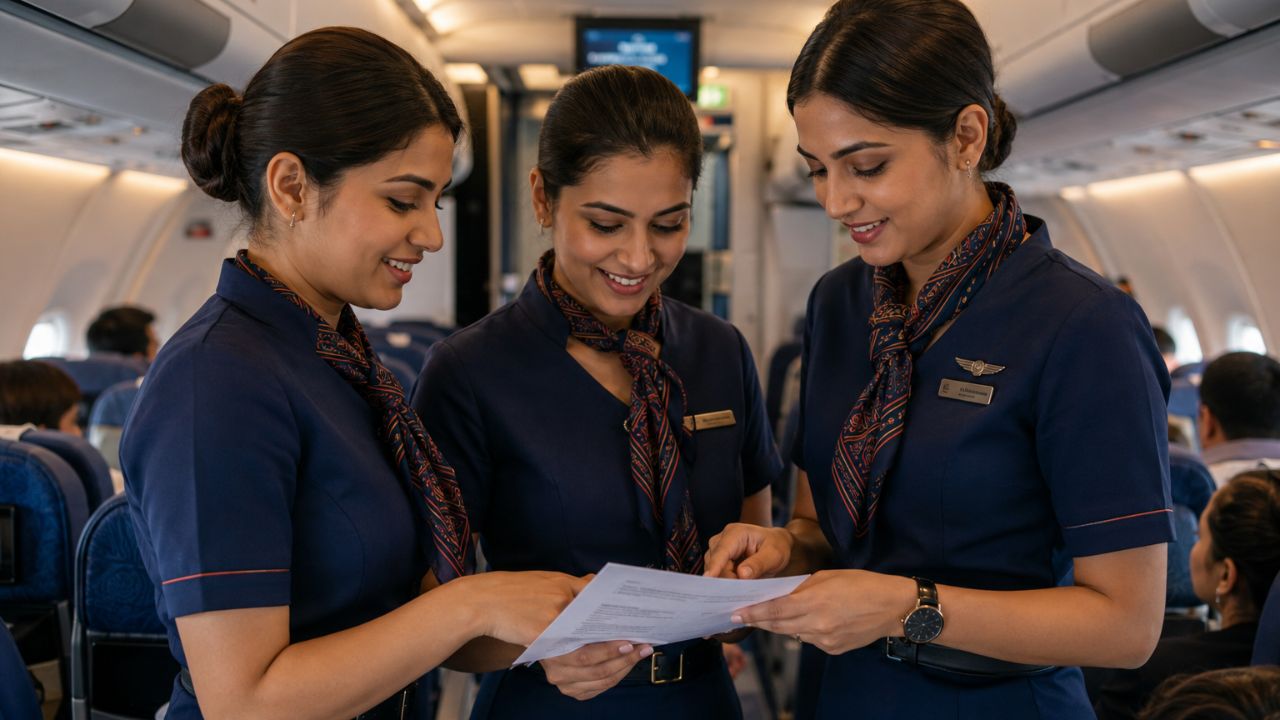
Image generated by AI
Quick Summary
- Seniority-driven pay systems are replacing flat salary models in 2026.
- Mid-career crew are seeing significant income jumps via international rotations.
- The Purser role remains the highest-paid leadership tier in cabin operations.
- Entry-level "reserve" status is the most demanding phase of the career.
- Experience-based valuation is improving crew retention and service quality.
Mid-Career Flight Attendants Unlock Massive Salary Surge Through International Routes, Per Diem Gains and Rising Seniority-Based Hourly Pay Escalation in 2026
NEW YORK — The global aviation landscape in 2026 is undergoing a seismic shift in workforce compensation. No longer are cabin crew salaries static or tied solely to job titles; instead, a sophisticated seniority-driven pay architecture has emerged as the primary engine for income growth. This evolution is empowering mid-career flight attendants to unlock substantial salary surges by leveraging years of service, operational expertise, and the strategic pursuit of high-yield international routes.
As major global carriers race to stabilize their workforce amidst fluctuating travel demands, the transition toward experience-based valuation is not just a payroll adjustment—it is a strategic move to enhance service quality and operational safety. By rewarding longevity and leadership, airlines are effectively transforming the role of the flight attendant from a transient job into a high-stakes professional career.
The Mechanics of Seniority-Based Compensation in Modern Aviation
The cornerstone of the 2026 aviation employment model is the seniority-based pay system. Unlike flight deck crews, whose pay may be tied to specific aircraft type ratings, cabin crew compensation is almost exclusively governed by "time in seat." Every milestone in a crew member's tenure triggers a progression in their hourly wage bracket.
For those in the mid-career phase, this system provides a critical transition from the volatility of early employment to a state of financial stability. While entry-level staff often struggle with unpredictable schedules, mid-career professionals gain the seniority required to bid for preferred routes and more consistent rosters, which in turn allows them to maximize their flying hours and total take-home pay.
This framework has become the gold standard across the US airline crew hierarchy and is rapidly being adopted by international carriers seeking to reduce turnover and retain their most experienced personnel.
Navigating the Hierarchy: From Reserve Status to Leadership
The journey of a flight attendant is marked by distinct functional stages, each with its own set of challenges and financial rewards.
The Entry-Level Grind: Reserve Status
The initial phase of a cabin crew career is characterized by the "reserve" status. This is widely regarded as the most grueling period, where crew members lack a fixed monthly roster and must remain on standby for immediate deployment. Income at this stage is often calculated based on guaranteed minimum flying hours, leading to significant variability in monthly earnings.
The Mid-Career Ascent: Stability and Growth
As crew members move into the mid-career bracket, the operational landscape changes. They transition from reserve duty to structured schedules, gaining access to the most lucrative sectors. This is where the "salary surge" occurs, as attendants begin operating long-haul international flights. These rotations are not only more stable but are accompanied by extended duty cycles that multiply earning potential.
The Senior Tier: Operational Authority
At the apex of the hierarchy are the senior cabin crew and pursers. These individuals are the operational backbone of the aircraft, responsible for safety coordination, passenger management, and the seamless execution of cabin services. Their compensation reflects their role as the primary liaison between the flight deck and the cabin team.
Maximizing Earnings: The Power of Per Diems and International Rotations
For the ambitious mid-career professional, the base hourly rate is only one part of the financial equation. The real surge in income comes from supplementary earnings and allowances.
Per Diem and Layover Gains International flying introduces a layer of compensation known as per diem allowances. These payments cover expenses during layovers in foreign cities and, in many cases, provide a significant net gain for the crew member. When combined with seniority-based hourly increases, these allowances can push a mid-career attendant's annual income well beyond domestic expectations.
The Retention Incentive Because seniority is generally non-transferable between different airlines, the system creates a powerful "golden handcuff" effect. Experienced staff are incentivized to remain with their current employer to protect their hard-earned seniority and the premium salary tiers associated with it.
The Purser Role: The Pinnacle of Cabin Crew Earnings
Within the aviation service sector, the role of the International Purser stands as the most prestigious and financially rewarding position. Reserved for the most experienced crew on long-haul flights, the purser is the onboard authority for all cabin operations.
The financial rewards of the purser role are substantial:
- Leadership Premiums: Additional pay for managing the cabin crew team.
- Extended Duty Pay: Higher rates for the grueling hours associated with ultra-long-haul flights.
- International Allowances: Premium per diems for global rotations.
On high-traffic international corridors, a purser's total annual compensation can rival executive-level earnings, reflecting the immense responsibility of managing safety and service for hundreds of passengers across multiple time zones.
Industry Analysis: Why Experience-Based Valuation Matters
The shift toward seniority-based pay is a response to the systemic instabilities that plagued the industry in previous years. By valuing experience, airlines are achieving several strategic goals:
- Service Consistency: Experienced crew are better equipped to handle complex passenger needs and emergency situations, leading to higher customer satisfaction.
- Workforce Stability: Reducing the "churn" of entry-level staff by providing a clear, rewarding career trajectory.
- Operational Safety: Seniority ensures that the most critical leadership roles (like the Purser) are held by those with the most flight hours and safety training.
While some critics argue that seniority systems can be rigid, the 2026 data suggests that this structure is essential for maintaining a professionalized workforce in an era of unprecedented global travel growth.
Conclusion: The Future of the Aviation Workforce
The restructuring of cabin crew compensation is a clear signal that the industry is moving toward a more professionalized, career-oriented model. As airline networks continue to expand and passenger volumes hit new records, the role of the flight attendant is being redefined.
The 2026 landscape proves that the "glamour" of flying is now backed by a robust financial structure. By linking pay to experience and leadership, the aviation industry is ensuring that its frontline staff are not just employees, but seasoned professionals capable of navigating the complexities of global travel.
Key Takeaways
- Seniority is King: Pay is driven by years of service, not just job titles.
- International Advantage: Long-haul routes and per diems are the primary drivers of mid-career salary surges.
- Purser Prestige: The purser role is the highest-paid position due to leadership and operational responsibilities.
- Reserve Hardship: Entry-level reserve status remains the most challenging phase of the career.
- Strategic Retention: Experience-based pay is being used by airlines to improve service quality and crew retention.
Frequently Asked Questions
How does seniority affect flight attendant pay in 2026? Pay is structured in tiers; as a crew member accumulates years of service, they automatically move into higher hourly pay brackets, regardless of their specific aircraft assignment.
What is the difference between a reserve and a line flight attendant? Reserve attendants have unpredictable schedules and are on call, while line attendants (usually mid-to-senior career) have fixed rosters and more stability.
Why are international routes more lucrative for cabin crew? International flights offer higher hourly rates, extended duty pay, and significant per diem allowances for layovers in foreign cities.
What are the primary responsibilities of an International Purser? The purser acts as the cabin manager, overseeing all safety procedures, coordinating the crew, and serving as the main point of contact for the pilots.
Is seniority transferable between different airlines? Generally, no. Seniority is earned within a specific company, which encourages long-term loyalty and retention within a single carrier.
Disclaimer
This article is for informational and educational purposes only. It does not constitute legal, financial, or professional advice. While we strive to provide accurate and up-to-date information, travel policies, regulations, and conditions change rapidly. Always verify information with official sources before making travel decisions. Nomad Lawyer makes no representations about the accuracy, reliability, completeness, or suitability of the information provided. Readers should consult qualified professionals for advice specific to their circumstances. The views expressed in this article are those of the author and do not necessarily reflect the views of Nomad Lawyer.
Kunal K Choudhary
Co-Founder & Contributor
A passionate traveller and tech enthusiast. Kunal contributes to the vision and growth of Nomad Lawyer, bringing fresh perspectives and driving the community forward.
Learn more about our team →