
Michigan Between Detroit and Lake Huron: Hidden Village with Petroglyphs
A secluded Michigan village nestled between Detroit and Lake Huron reveals ancient petroglyphs, world-class golf courses, and exceptional water recreation opportunities for 2026 travelers seeking off-the-radar adventures.

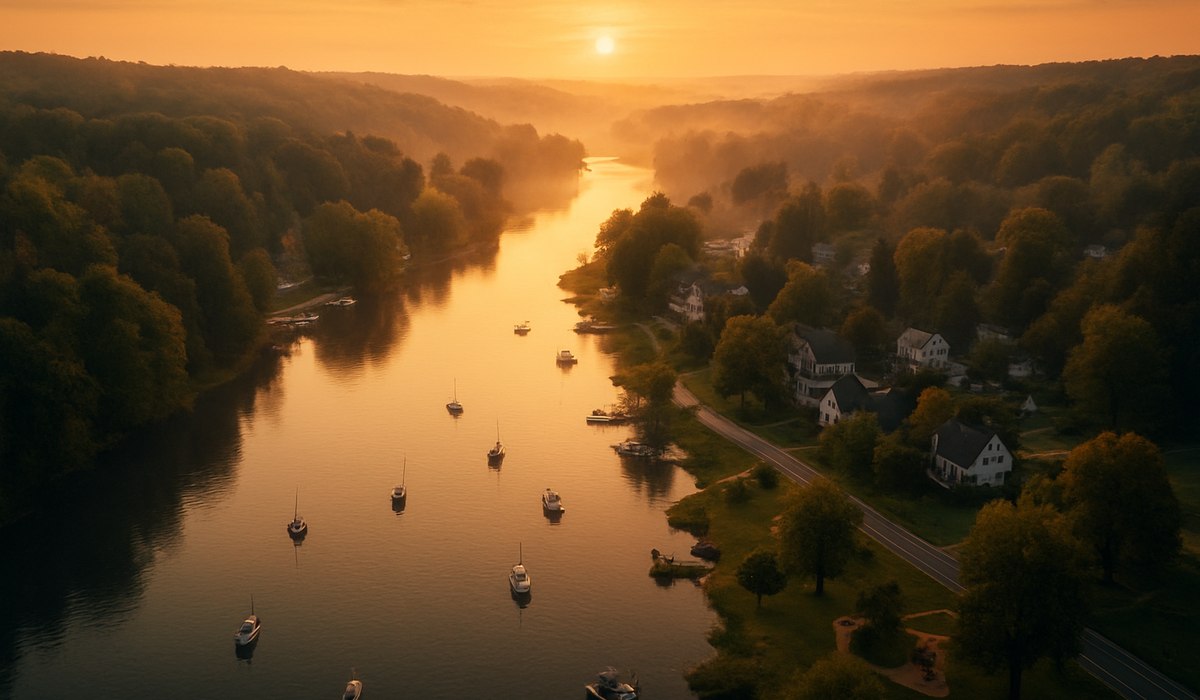
Image generated by AI
Lede
Michigan's hidden riverside village between Detroit and Lake Huron presents one of the Midwest's most compelling yet overlooked travel destinations for 2026. This serene enclave combines ancient Indigenous petroglyphs, championship golf facilities, and pristine water recreation—creating a distinctive retreat for travelers seeking authenticity away from crowded cruise ports and tourist hubs. The village sits perfectly positioned to serve as a gateway for adventurers exploring Michigan's Great Lakes shoreline and cultural heritage.
River Paddling and Water Recreation
The waterways surrounding this Michigan between Detroit and Lake Huron community offer exceptional paddling experiences year-round. Kayakers and canoers navigate gentle river currents that have shaped the landscape for millennia, passing limestone cliffs and forested banks rarely seen by casual tourists. Local outfitters provide equipment rentals and guided excursions suitable for both beginners and experienced paddlers.
Fishing enthusiasts discover abundant walleye, pike, and smallmouth bass populations throughout the river system. Spring and fall seasons attract dedicated anglers seeking trophy catches in deep pools near the village center. The peaceful setting enhances the meditative quality of riverside fishing—a stark contrast to commercialized tourist fishing destinations elsewhere in Michigan.
Modern amenities support water recreation without compromising the village's tranquil atmosphere. Several riverside lodges offer dock space, equipment storage, and guide services. The Michigan Department of Natural Resources maintains public access points along the river, ensuring recreational opportunities remain accessible to all visitors. Check the Michigan DNR website for current water conditions and seasonal regulations before planning your trip.
Golf and Outdoor Activities
Championship-caliber golf courses define the recreational landscape between Detroit and Lake Huron. The village hosts multiple 18-hole courses designed by renowned architects, featuring rolling fairways carved through native Michigan hardwoods. These layouts challenge skilled golfers while remaining accessible to recreational players, with handicap-friendly options on most holes.
Beyond the greens, hiking trails wind through protected woodlands and along the river corridor. Mountain biking routes range from gentle rail-trail conversions to technical single-track terrain suitable for advanced riders. The area's natural topography creates varied landscapes—from wetland boardwalks to ridge-line vistas overlooking Lake Huron in the distance.
Picnic areas and scenic overlooks dot the village periphery. Family-friendly parks feature playground equipment, volleyball courts, and open meadows perfect for outdoor gatherings. During summer months, the village hosts weekly farmers markets and outdoor concert series that celebrate local agriculture and regional musicians. Visit the local visitor bureau website for current event schedules and activity recommendations tailored to your interests.
Ancient Petroglyphs and Cultural Significance
The petroglyphs that define this Michigan between Detroit and Lake Huron destination represent some of North America's most intriguing Indigenous rock art. Archaeological evidence suggests these carvings date back 1,000 years to pre-contact societies inhabiting the Great Lakes region. The precise meanings remain partially mysterious, though scholars believe they documented spiritual beliefs, territorial markers, and astronomical observations.
The primary petroglyph site features dozens of distinct hand and animal figures carved into limestone outcrops along the riverside. Geometric patterns, humanoid forms, and representations of local wildlife suggest a sophisticated understanding of artistic composition and symbolic communication. Protected access to these ancient carvings preserves them for future generations while allowing respectful study and appreciation.
Local tribal nations maintain active stewardship of these cultural resources through educational partnerships and preservation initiatives. Guided tours led by Indigenous cultural educators provide authentic context often absent from conventional archaeological presentations. These interpretive experiences transform the petroglyph visit from simple sightseeing into meaningful cultural exchange. Respect for this sacred landscape—including photography restrictions at certain locations—remains essential for maintaining community relationships and site protection protocols.
Planning Your Visit to Michigan Between Detroit and Lake Huron
Accessibility: The village sits approximately 90 minutes north of Detroit Metropolitan Airport and three hours south of major Lake Huron ports. Seasonal ferry services connect to remote shoreline communities, offering scenic transportation alternatives to highway driving.
Accommodations: Options range from riverside bed-and-breakfasts housed in historic homes to modern resort facilities with full conference capabilities. Many lodgings operate year-round, though winter months feature reduced service levels and occasional seasonal closures. Advance reservations prove essential during peak summer months and autumn leaf-peeping season.
Seasonal Considerations: Spring brings rushing river conditions ideal for paddling enthusiasts. Summer offers optimal weather for golf, hiking, and outdoor activities. Fall showcases spectacular foliage and comfortable temperatures for all recreation types. Winter transforms the landscape into a quiet retreat suitable for solitary contemplation and cross-country skiing.
Dining and Services: Local restaurants emphasize farm-to-table cuisine featuring regional ingredients and traditional Midwestern preparations. Casual taverns, upscale steakhouses, and coffee roasteries serve diverse tastes and budgets. Basic services including groceries, fuel, and medical facilities operate within the village proper.
Key Data Table: Michigan Between Detroit and Lake Huron Essentials
| Category | Details |
|---|---|
| Distance from Detroit | 85-95 miles north |
| Distance to Lake Huron | 25-35 miles northeast |
| River System | Flowing to Lake Huron via scenic valley |
| Petroglyph Age | Approximately 1,000 years old |
| Golf Courses | 3-4 championship-caliber facilities |
| Peak Tourist Season | June-September and October |
| Annual Visitors | 40,000-60,000 estimated |
| Primary Recreation | Paddling, fishing, golf, hiking |
| Winter Average Temperature | 15-25°F (-9 to -4°C) |
| Summer Average Temperature | 70-78°F (21-26°C) |
What This Means for Travelers
This Michigan between Detroit and Lake Huron destination provides authentic Great Lakes experiences without the commercialization of standard tourist destinations. Consider these actionable insights for planning your 2026 visit:
-
Book accommodations 8-12 weeks in advance during peak summer and fall seasons to secure preferred properties. Many riverside lodges operate at near-capacity from June through October.
-
Plan cultural experiences with Indigenous educators by contacting the village visitor center at least four weeks ahead. Guided petroglyph tours require small group formats and pre-registration for preservation purposes.
-
Coordinate water recreation activities with seasonal conditions—spring paddling requires higher skill levels due to elevated water flows, while summer offers ideal conditions for family-friendly kayaking experiences.
-
Combine activities strategically by staying 3-4 days minimum to fully experience river recreation, golf, hiking, and cultural site visits without rushing between activities.
-
Verify accessibility accommodations if you require wheelchair access, mobility assistance, or dietary-specific dining. Some historic properties lack complete accessibility features despite genuine inclusivity efforts.
-
Visit during shoulder seasons (May, September) to enjoy comfortable weather, manageable crowds, and readily available accommodations compared to peak summer months.
Frequently Asked Questions
What are the best months to visit Michigan between Detroit and Lake Huron for outdoor activities?
June through September offers ideal conditions for paddling, golf, and hiking with warm temperatures and dependable weather. September provides the best combination of comfortable climate, lower tourist density, and spectacular natural scenery as fall colors emerge. May and October work well for active travelers willing to accept variable weather conditions.
Do I need special permits or equipment to view the petroglyphs?
Most petroglyph sites allow public access during daylight hours without permits, though respectful behavior and photography restrictions apply at sacred locations. Guided interpretive tours—recommended for complete understanding—require advance registration through the village visitor center. Bino
Disclaimer
This article is for informational and educational purposes only. It does not constitute legal, financial, or professional advice. While we strive to provide accurate and up-to-date information, travel policies, regulations, and conditions change rapidly. Always verify information with official sources before making travel decisions. Nomad Lawyer makes no representations about the accuracy, reliability, completeness, or suitability of the information provided. Readers should consult qualified professionals for advice specific to their circumstances. The views expressed in this article are those of the author and do not necessarily reflect the views of Nomad Lawyer.
Raushan Kumar
Founder & Lead Developer
Full-stack developer with 11+ years of experience and a passionate traveller. Raushan built Nomad Lawyer from the ground up with a vision to create the best travel and law experience on the web.
Learn more about our team →