
MICE Industry Shift: Gamified Check-In and Digital Badging Trends for 2026 Event Planning
Event organizers are replacing administrative registration queues with gamified check-in experiences, using digital badges and rewards to increase attendee engagement and sponsor ROI.

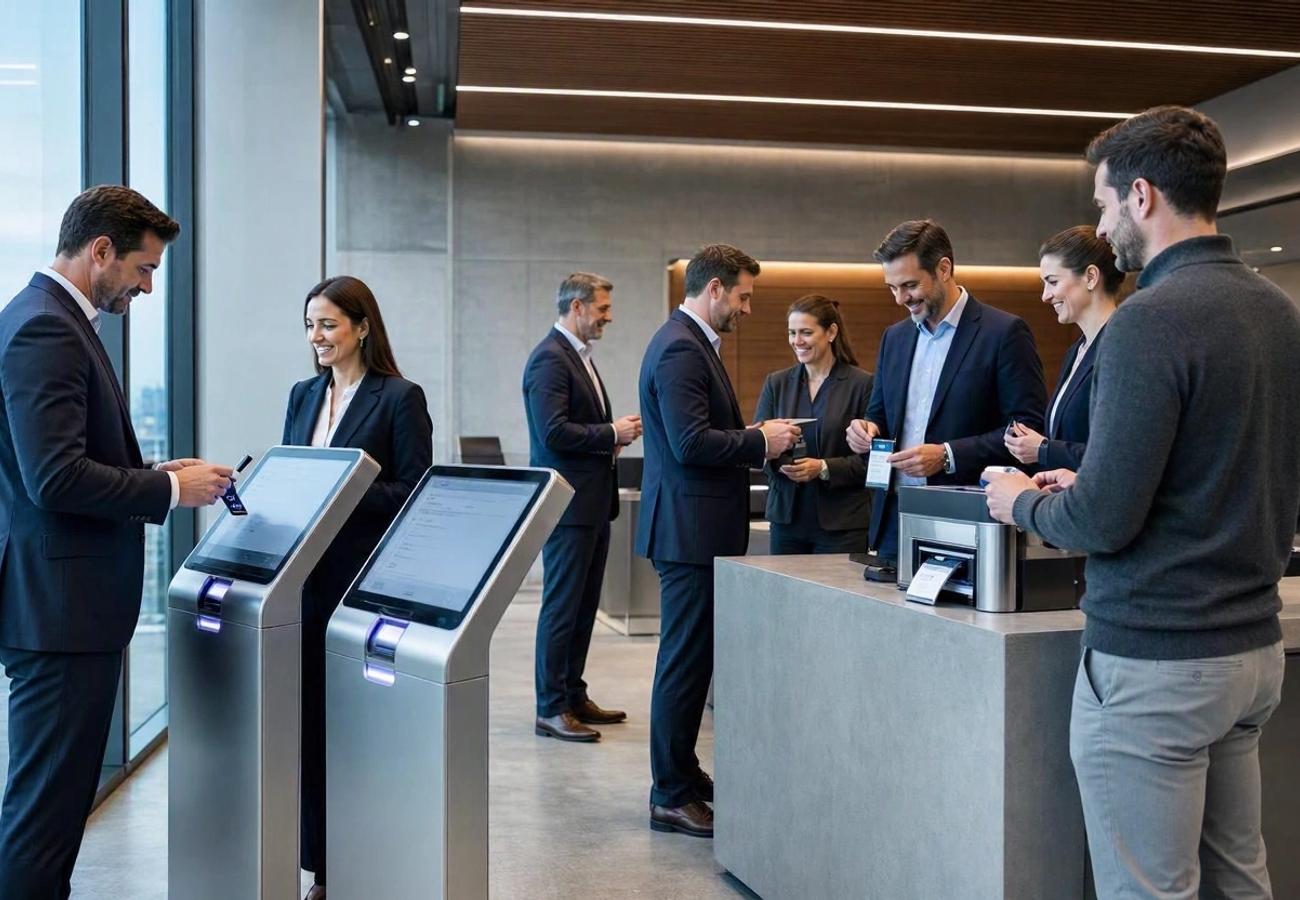
Image generated by AI
Conference registration has evolved from a static administrative hurdle into a strategic engagement tool, with the shift toward gamification now directly correlating to higher emotional commitment and word-of-mouth promotion among participants. While traditional check-ins focused solely on throughput speed, 2026 data indicates a pivot toward "experience-first" arrivals. This transition is driven by the need to monetize the first 15 minutes of attendee arrival, transforming a cost center (registration) into a revenue-generating activation zone for sponsors.
The Gamification Metric: Engagement by the Numbers
The transition toward interactive registration is not merely aesthetic; it is backed by behavioral data. Research published in the Journal of Hospitality and Tourism Insights by Annamarie D. Sisson and Elizabeth A. Whalen analyzed 177 participants to quantify the impact of gamification. The findings establish a positive statistical association between the perception of gamified elements and four key KPIs: participation intentions, emotional commitment, the drive to engage, and the likelihood of organic word-of-mouth promotion.
For the MICE (Meetings, Incentives, Conferences, and Exhibitions) sector, this means that the "first touch" at the registration desk sets the psychological tone for the entire event. By implementing digital scavenger hunts and reward-based check-ins, organizers are moving away from passive badge collection toward active participation.
Comparative Analysis of Registration Strategies
The industry is seeing a clear divide between "Legacy Registration" (administrative focus) and "Modern Activation" (engagement focus). The following table breaks down the shift in operational priorities and the resulting impact on attendee behavior.
| Registration Element | Legacy Approach (Pre-2024) | Modern Activation (2026 Trend) | Primary Data Impact |
|---|---|---|---|
| Badge Function | Identification only | Interest-based networking (color-coded) | Increased peer-to-peer connections |
| Queue Management | Linear lines / Efficiency | Interactive stations / DIY printing | Reduced perceived wait time |
| Sponsor Role | Logo on a lanyard | Sponsored lounges & reward vouchers | Higher sponsor lead generation |
| Venue Navigation | Printed maps/signs | QR-code scavenger hunts | Increased exhibition floor traffic |
| Attendee Output | Physical badge | Digital passports & social media content | Higher event visibility (Social Reach) |
What This Means for Event Travelers and Attendees
For the professional nomad or corporate traveler, these shifts change how you should approach conference networking. The "administrative" phase of your trip is now a networking opportunity.
- Optimize Your Visual Identity: With the rise of personalized ribbons and color-coded lanyards, your badge is now a data point. If you are seeking specific partnerships or are a first-time attendee, utilizing these visual identifiers can bypass the awkwardness of cold introductions.
- Leverage the "First Hour" Rewards: Many 2026 events now distribute coffee vouchers, digital bookstore credits, or exclusive session access during check-in. Arriving early is no longer just about avoiding lines; it is about securing limited-edition rewards and "fast-pass" access to high-demand sessions.
- Engage with Digital Passports: If an event utilizes QR-code discovery challenges, prioritize these. They are designed to lead you to the most valuable sponsors and exhibitors, effectively acting as a curated guide to the event's most important players.
Infrastructure Shifts: The Rise of Mid-Market Tech
The ability to implement these trends has expanded beyond mega-conferences. In August 2026, pc/nametag launched BadgeStream, an on-site check-in and printing system specifically targeting small to medium-sized events. With entry-level pricing starting at US$499 per event, the barrier to entry for professional-grade registration technology has dropped significantly.
This democratization of tech allows smaller organizers to move away from pre-printed badges—which are prone to error and waste—toward on-demand printing. This flexibility is what enables the "gamified" layer; when badges can be printed instantly, organizers can add ribbons, stickers, or updated designations in real-time based on attendee activity.
To understand the broader impact of these technological shifts on global travel and passenger rights, see the World Aviation Festival 2026 analysis.
Forward Projection: The Hyper-Personalized Arrival
Based on current trajectories in the International Air Transport Association (IATA) and global event data, the next phase of registration will likely integrate biometric data with gamification. We expect to see "Zero-Touch" check-ins where facial recognition triggers a personalized welcome message and a digital reward sent to the attendee's device before they even reach the desk.
The integration of DIY elements—such as the screen-printing stations and 360-degree photo booths mentioned in recent industry reports—suggests that events are becoming "content factories." Attendees are no longer just consuming information; they are producing branded content that serves as a secondary marketing layer for the event host.
FAQ: Event Gamification 2026
Will gamified check-ins make registration slower? No. When integrated with on-demand printing systems like BadgeStream, gamification occurs in parallel with or after the administrative check-in, often reducing the perceived wait time by providing entertainment.
Are digital badges replacing physical ones? They are augmenting them. Physical badges remain essential for face-to-face identification, but digital passports and QR codes are used to track engagement and reward participation.
How do I benefit as a sponsor from these trends? By shifting from passive logo placement to active "activations" (e.g., sponsoring a coffee lounge or a scavenger hunt stop), sponsors gain direct, meaningful interactions with attendees rather than just brand impressions.
The registration desk is no longer a gate—it is the opening act.
Related Travel Guides
Disclaimer
This article is for informational and educational purposes only. It does not constitute legal, financial, or professional advice. While we strive to provide accurate and up-to-date information, travel policies, regulations, and conditions change rapidly. Always verify information with official sources before making travel decisions. Nomad Lawyer makes no representations about the accuracy, reliability, completeness, or suitability of the information provided. Readers should consult qualified professionals for advice specific to their circumstances. The views expressed in this article are those of the author and do not necessarily reflect the views of Nomad Lawyer.
Naina Thakur
Contributor & Travel Specialist
Travel enthusiast and legal writer covering visa regulations, responsible tourism, and cultural journeys across global destinations.
Learn more about our team →