
Mexico, United States, Canada Tighten Ebola Travel Measures Ahead of the World Cup, Raising Tourism Concerns: All You Need to Know
Mexico, United States, Canada Tighten Ebola Travel Measures Ahead of the World Cup, Raising Tourism Concerns: All You Ne

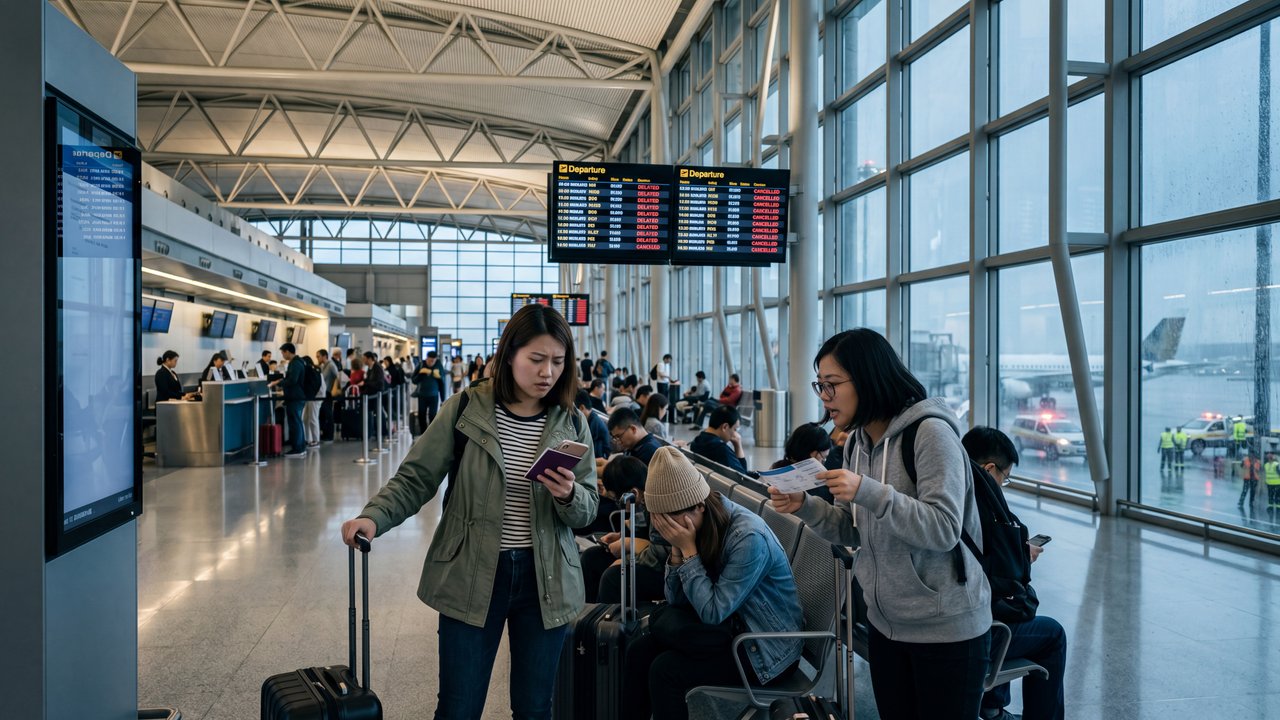
Image generated by AI
[Mexico City, June 26, 2026] — Mexico is implementing stringent public health screenings and entry controls to mitigate potential health risks ahead of the World Cup, aligning its protocols with the United States and Canada. These emergency measures target travelers arriving from specific regions in Africa to prevent the introduction of Ebola, while officials strive to maintain seamless tourism flows for the millions of spectators expected for the global tournament.
The decision to tighten border security comes as Mexico prepares for a massive influx of international visitors. By coordinating with its North American partners, Mexico aims to establish a unified health perimeter. While authorities emphasize that no Ebola cases have been detected within Mexico, the scale of movement associated with the World Cup has prompted a shift toward preventive epidemiological surveillance.
North American Coordination on Ebola Screening
Industry sources indicate that Mexico has introduced a comprehensive suite of enhanced airport screenings and travel document audits. These measures are being rolled out in direct coordination with health agencies in the United States and Canada to ensure a synchronized response across the three host nations.
The strategy focuses on "preventive surveillance," meaning that health officials are monitoring arrivals to catch potential threats before they enter the community. This includes the use of epidemiological tracking and more rigorous checks of passenger manifests and travel histories at all major points of entry.
Entry Restrictions for High-Risk Regions
As part of the new health mandate, Mexico has established a temporary sixty-day entry restriction. This policy specifically targets individuals who have visited or transited through the following countries within the last twenty-one days:
- Democratic Republic of the Congo
- Uganda
- South Sudan
To ensure compliance at the point of departure, major carriers operating within Mexico—including Aeroméxico, Viva, and Volaris—have confirmed they will apply these same restrictions. Passengers arriving from these specific African nations will face boarding denials or strict entry limitations based on their recent travel patterns.
Strategic Timing Amid World Cup Preparations
The timing of these restrictions is critical, as the World Cup typically triggers a surge in global mobility. Mexican officials are working to balance the need for public safety with the economic necessity of a successful tournament. There is a significant effort to prevent any health-related disruptions that could jeopardize airport operations or the logistical coordination of the event.
Industry observers note that such measures often create a dual effect on tourism. On one hand, the presence of visible health safeguards can reassure the general traveling public that the host country is prepared. On the other hand, these protocols can introduce friction into the travel experience, potentially increasing wait times at customs and creating uncertainty for passengers utilizing Mexico as a transit hub.
African Outbreak Context and Border Posture
The tightening of border controls is a direct response to reported Ebola activity in Africa, particularly within the Democratic Republic of the Congo and its neighboring territories. Rather than waiting for a confirmed imported case, Mexico has opted to strengthen its border posture based on regional health alerts.
This proactive approach mirrors the broader North American strategy, where the three host countries are aligning their health policies. This synchronization is designed to minimize the risk of cross-border transmission while still facilitating the movement of athletes, staff, and fans.
Operational Impact on the Tourism Sector
From an operational standpoint, the tourism industry expects immediate changes at international gateways. While the overall impact is not expected to be dramatic, several key areas will experience shifts:
| Impact Area | Expected Outcome |
|---|---|
| Airport Processing | Increased wait times due to enhanced document and health screening. |
| Airline Operations | Stricter verification of travel histories and passenger manifests. |
| Traveler Behavior | Possible deferment of trips by passengers from affected regions. |
| Brand Image | Potential increase in perceived safety due to early government action. |
The primary challenge for the Mexican government will be communicating these rules clearly. If the measures are perceived as organized and transparent, they may actually bolster confidence in Mexico's ability to host a safe international event.
New Requirements for International Travelers
Passengers traveling to Mexico should prepare for heightened scrutiny regarding their passports and recent transit routes. This is particularly true at major international hubs where health officials are now more active.
Those who have spent time in the restricted African nations may be subject to quarantine requirements or boarding restrictions, depending on the specific policy of their airline and the current guidance from health authorities. For the majority of the tourism market, the environment is expected to remain stable, albeit with a more cautious approach to health documentation.
Why This Matters: Aviation and Tourism Analysis
The synchronization of health protocols between Mexico, the United States, and Canada represents a significant shift toward "bloc-based" health security. By aligning their entry requirements, these nations are effectively creating a unified health zone for the World Cup, which reduces the likelihood of "policy shopping" where travelers might attempt to enter the region through the country with the laxest rules.
For the aviation industry, this places a heavier burden of compliance on the airlines. Carriers like Aeroméxico and Volaris are no longer just transporting passengers; they are acting as the first line of epidemiological defense. This integration of health screening into the boarding process is likely to become a blueprint for future mega-events.
Furthermore, this move highlights the fragility of tourism during global health crises. The fact that Mexico is implementing these rules before any local cases appear demonstrates a sophisticated understanding of "reputational risk." In the modern travel economy, the perception of safety is as important as the reality of safety. By acting preemptively, Mexico is attempting to protect its tourism GDP from the volatility that follows a public health scare.
Related Travel Guides
Disclaimer
This article is for informational and educational purposes only. It does not constitute legal, financial, or professional advice. While we strive to provide accurate and up-to-date information, travel policies, regulations, and conditions change rapidly. Always verify information with official sources before making travel decisions. Nomad Lawyer makes no representations about the accuracy, reliability, completeness, or suitability of the information provided. Readers should consult qualified professionals for advice specific to their circumstances. The views expressed in this article are those of the author and do not necessarily reflect the views of Nomad Lawyer.
Preeti Gunjan
Contributor & Community Manager
A passionate traveller and community builder. Preeti helps grow the Nomad Lawyer community, fostering engagement and bringing the reader experience to life.
Learn more about our team →