
Mexico Tourist Entry 2026: Why the 180-Day Maximum Stay Is Never Guaranteed at Immigration

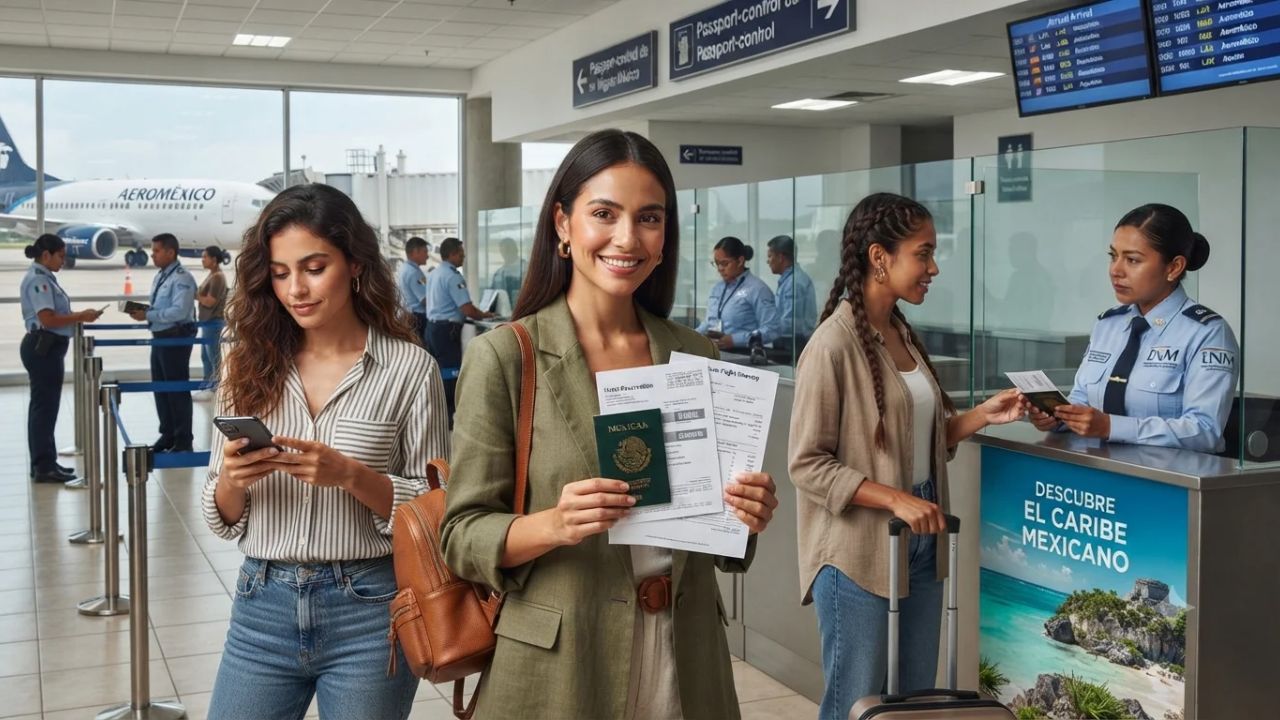
While Mexico’s immigration regulations permit eligible international tourists to stay for up to 180 days, border officials determine the exact duration granted on a case-by-case basis upon arrival. Entering the country with a visa-exempt passport does not automatically confer a six-month stay, making it imperative for international travelers to present verifiable itineraries, return transportation, and confirmed lodging reservations.
The Instituto Nacional de Migración (INM), Mexico's federal immigration agency, has reiterated that the 180-day timeframe represents a statutory ceiling rather than an unconditional entitlement. Foreign visitors entering through major international airports—such as Cancun (CUN), Mexico City Benito Juárez (MEX), Guadalajara (GDL), and Los Cabos (SJD)—must demonstrate the purpose and planned duration of their visit during primary border processing.
Understanding the Legal Distinction: Maximum Ceiling vs Granted Stay
A common misconception among long-term travelers and winter vacationers is that visa-free status equates to an automatic 180-day stamp. Under the framework established by the Instituto Nacional de Migración, visitors entering for tourism, unpaid business meetings, or cultural exploration without authorization to perform paid activities are granted entry periods corresponding directly to their verified travel plans.
At air ports of entry across Mexico, border authorities have largely phased out physical paper entry cards in favor of the Digital Multiple Migration Form (FMMd). Under this digitized framework, the inspecting officer examines the traveler's passport and inputs the authorized departure date directly into the central immigration database. Travelers are expected to download their digital FMMd receipt online to verify their exact legal departure deadline, ensuring they do not overstay the duration written or digitally stamped in their record.
This enforcement approach is not a newly created 2026 visa regulation. Long-standing Mexican immigration statutes have always empowered border officers to determine the appropriate duration of stay based on the traveler's supporting documentation. The recent operational focus simply reflects standardized enforcement across air, land, and maritime entry points.
Essential Documentation Checklist for Mexican Immigration
To avoid entry delays or referral to secondary inspection, international travelers should have specific supporting materials organized prior to boarding their flight.
| Supporting Document | Primary Regulatory Purpose | Traveler Best Practice |
|---|---|---|
| Valid Passport | Establishes national identity and validity for the entire proposed trip duration | Must have at least 6 months validity remaining beyond planned departure date |
| Confirmed Return or Onward Ticket | Demonstrates definitive intent to depart Mexican territory | Print physical flight confirmation or save downloadable airline e-ticket offline |
| Lodging Confirmation / Hotel Booking | Proves designated accommodation across visited destinations | Carry itemized hotel reservations, vacation rental receipts, or host invitation letters |
| Detailed Travel Itinerary | Confirms internal transit plans and destination timeline | Keep a clear day-by-day outline of cities, regional tours, and ground transport |
| Proof of Economic Solvency | Validates ability to self-fund accommodation, meals, and emergencies | Carry recent bank statements, active international credit cards, or cash funds |
| Digital FMMd Registration | Establishes authorized legal presence inside Mexico | Access and download the official digital migration slip via the INM portal after airport arrival |
The Mechanics of Primary and Secondary Airport Inspection
When arriving at Mexican immigration counters, foreign tourists should state their intended length of stay clearly and consistently. An officer reviewing a traveler who claims a two-week vacation will typically align the authorized stay with the return flight date, sometimes adding a small buffer.
If an arriving passenger requests a long stay—such as 90 to 180 days—without providing corresponding proof of remote accommodation, multi-month funds, or a confirmed departure ticket, the officer may issue a shorter duration matching the only confirmed bookings available.
In cases where documentation appears incomplete or statements conflict, immigration officials retain authority to refer travelers to secondary inspection (segunda revisión). During this administrative review, officers verify hotel confirmations by phone, inspect financial balances, or request formal contact details for local hosts before determining final admissibility.
Visitor Insider Tips for Smooth Entry into Mexico
Practical preparation simplifies arrival and ensures travelers receive the authorization needed for their journey.
- Download and Verify Your Digital FMMd Immediately: After passing through biometric gates or physical immigration booths at airports like Mexico City, Puerto Vallarta, or Cancun, visit the official government portal to retrieve your FMMd PDF. Check the authorized exit date immediately to ensure it covers your full stay.
- Carry Hard Copies of Accommodation Bookings: Cellular and Wi-Fi networks in international arrival halls can experience dropouts. Keeping physical printouts of hotel bookings, Airbnb reservations, or booked tours avoids communication delays at the immigration counter.
- Align Your Spoken Purpose with Your Paperwork: When speaking with the immigration officer, provide concise, accurate answers that match your itinerary. Mentioning casual local freelance work can trigger work-visa scrutiny; maintain clear focus on leisure, cultural exploration, and sightseeing.
- Choose the Appropriate Visa Category for Extended Stays: Travelers planning to reside in Mexico for more than six months—or those seeking to work remotely for foreign clients long-term—should apply for a Temporary Resident Visa (Residente Temporal) through a Mexican consulate abroad rather than relying on tourist exemptions.
Cultural Context and Sustainable Visitor Distribution
Mexico’s emphasis on structured tourist entry aligns with broader efforts by Visit Mexico to balance visitor flows across high-density coastal hubs and historic interior regions. Major international gateways like the Riviera Maya, Los Cabos, and Mexico City receive millions of international travelers annually, creating localized infrastructure demands on municipal water networks, public safety, and residential housing.
At the same time, regional tourism initiatives encourage travelers to venture beyond resort corridors into cultural heritage circuits, including UNESCO World Heritage colonial towns such as Oaxaca, San Miguel de Allende, and Guanajuato. By ensuring that long-stay visitors have confirmed resources and structured travel arrangements, local communities benefit from sustainable economic contributions while mitigating the informal strains associated with unregulated long-term stays.
FAQ: Entering Mexico as an International Tourist in 2026
Do all tourists automatically receive 180 days in Mexico?
No. The 180-day limit is a statutory maximum. The immigration officer at the border determines the exact number of days granted based on your return ticket and lodging reservations.
What should I do if my digital FMMd shows fewer days than I planned?
You must adjust your departure to leave before the authorized date expires, or visit an INM delegation office in Mexico to request an official extension before your time lapses.
Can I work in Mexico on a 180-day tourist entry?
No. Tourist admission strictly prohibits engaging in paid activities or generating income from Mexican sources.
Is proof of return transport mandatory when entering Mexico?
Yes. Airlines and immigration authorities routinely require foreign tourists to show a confirmed return ticket or onward transportation leaving the country.
Proper documentation and a clear itinerary ensure your Mexican journey begins with confidence, letting you focus on the rich cultural heritage waiting beyond the arrival gate.
Related Travel Guides
Disclaimer
This article is for informational and educational purposes only. It does not constitute legal, financial, or professional advice. While we strive to provide accurate and up-to-date information, travel policies, regulations, and conditions change rapidly. Always verify information with official sources before making travel decisions. Nomad Lawyer makes no representations about the accuracy, reliability, completeness, or suitability of the information provided. Readers should consult qualified professionals for advice specific to their circumstances. The views expressed in this article are those of the author and do not necessarily reflect the views of Nomad Lawyer.
Kunal K Choudhary
Co-Founder & Contributor
A passionate traveller and tech enthusiast. Kunal contributes to the vision and growth of Nomad Lawyer, bringing fresh perspectives and driving the community forward.
Learn more about our team →