
Mexico Doubles Cruise Passenger Tax to US$10 Across Cozumel and Cabo San Lucas in 2026
Mexico is doubling its federal Non-Resident Duty for foreign cruise passengers from US$5 to US$10 starting August 2026, impacting major hubs like Cozumel and Cabo San Lucas.

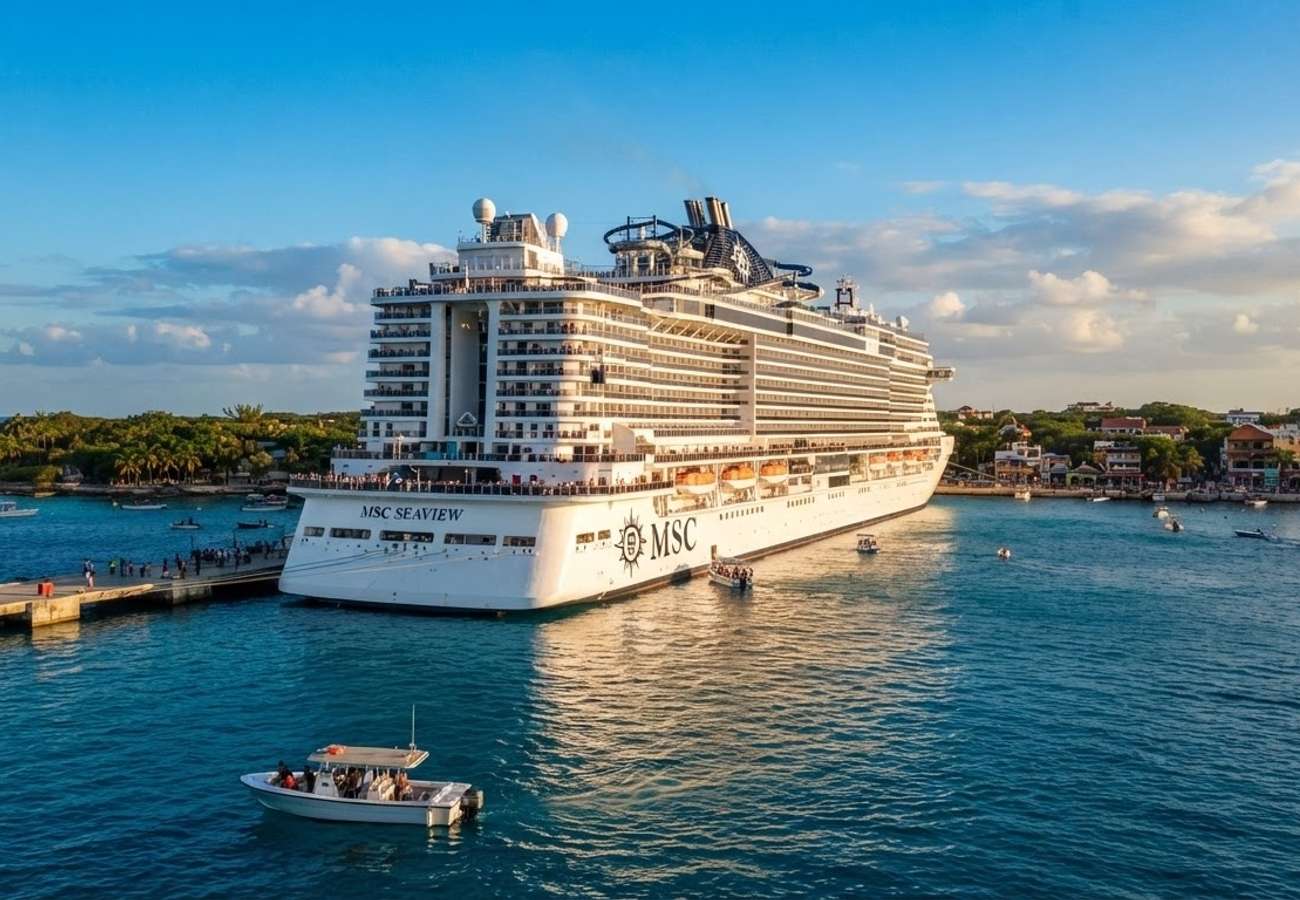
Image generated by AI
Foreign cruise passengers visiting Mexico will face a 100% increase in federal passenger taxes starting August 2026. The Non-Resident Duty is rising from US$5 to US$10 per person across all major maritime gateways.
Federal Tax Hike and Implementation
The Mexican government has announced a nationwide increase in the federal Non-Resident Duty applicable to all international cruise passengers. This is not a local municipality tax but a federal mandate designed to bolster national finances and fund tourism infrastructure.
The price adjustment is part of a phased program. The leap from US$5 to US$10 takes effect in August 2026, with the government indicating that further adjustments may occur in subsequent years.
Port-Specific Impact Analysis
Our analysis of the federal mandate confirms that the tax applies to every international cruise call within Mexican waters. The following table breaks down the impact by primary hub:
| Mexican Port | State | Primary Markets | 2026 Tax Impact | Strategic Significance |
|---|---|---|---|---|
| Cozumel | Quintana Roo | US, Canada, Europe | US$5 $\rightarrow$ US$10 | Global Caribbean hub; diving & Mayan sites |
| Mahahual | Quintana Roo | US, Canada, Europe | US$10 Federal Duty | Gateway to Western Caribbean Mayan sites |
| Cabo San Lucas | Baja California Sur | US, Canada, Luxury | US$10 Federal Duty | High-end Sea of Cortez marine tourism |
| Puerto Vallarta | Jalisco | US, Canada, Europe | US$10 Federal Duty | Pacific Coast cultural & beach tourism |
| Ensenada | Baja California | US, Canada | US$10 Federal Duty | Primary California-Mexico transit point |
| Mazatlán | Sinaloa | US, Canada | US$10 Federal Duty | Historic center & Mexican Riviera hub |
| La Paz | Baja California Sur | North America | US$10 Federal Duty | Expedition and nature-based tourism |
| Acapulco | Guerrero | International | US$10 Federal Duty | Infrastructure recovery destination |
Passenger Rights & Financial Advisory
For the affected passenger, this tax increase is rarely a separate payment made at the pier. Instead, it is integrated into the cruise fare or the "port fees and taxes" line item during booking.
Our analysis of the policy suggests the following for travelers:
- Booking Transparency: Passengers should review the "Taxes and Fees" section of their cruise contract. If a booking was made prior to the August 2026 implementation, cruise lines may attempt to apply a "supplementary tax" charge.
- Pricing Shifts: While US$5 may seem negligible, cruise operators calculate these costs across ships carrying several thousand passengers. This may lead to a slight increase in base fares for 2027 itineraries to offset the operational cost.
- Spending Patterns: We anticipate a shift in on-shore spending. As overall travel costs rise, passengers may reduce expenditures on high-cost shore excursions or luxury shopping in ports like Cozumel and Cabo San Lucas.
- Rebooking Rights: If a cruise line alters an itinerary to avoid these higher fees (diverting to other Caribbean ports), passengers may be entitled to a partial refund of port fees or a cruise credit, depending on the terms and conditions of the ticket.
Industry Analyst View
The decision to double the levy places Mexico in direct competition with other Caribbean and Latin American destinations, such as the Bahamas, Jamaica, and the Dominican Republic. Cruise operators evaluate port attractiveness based on a combination of infrastructure quality and operational costs.
While Mexico's geographic proximity to US departure ports in Florida, Texas, and California provides a competitive moat, persistent fee increases can trigger itinerary reviews. The risk is not just the US$10 fee, but the potential for a cumulative increase in the cost of doing business in Mexican waters.
However, the unique draw of Mayan heritage and the biodiversity of the Sea of Cortez suggests that demand will remain inelastic for most luxury and mid-market cruisers.
The financial burden of tourism infrastructure is shifting increasingly toward the end-consumer.
Related Travel Guides
Disclaimer
This article is for informational and educational purposes only. It does not constitute legal, financial, or professional advice. While we strive to provide accurate and up-to-date information, travel policies, regulations, and conditions change rapidly. Always verify information with official sources before making travel decisions. Nomad Lawyer makes no representations about the accuracy, reliability, completeness, or suitability of the information provided. Readers should consult qualified professionals for advice specific to their circumstances. The views expressed in this article are those of the author and do not necessarily reflect the views of Nomad Lawyer.
Kunal K Choudhary
Co-Founder & Contributor
A passionate traveller and tech enthusiast. Kunal contributes to the vision and growth of Nomad Lawyer, bringing fresh perspectives and driving the community forward.
Learn more about our team →