
Mediterranean Weather Crisis 2026: Extreme Flooding Hits Crete and Southern France Tourist Hubs
Severe rainfall and flash floods are disrupting travel across the Mediterranean, with Crete and Southern France facing the most critical infrastructure damage and excursion cancellations in October 2026.

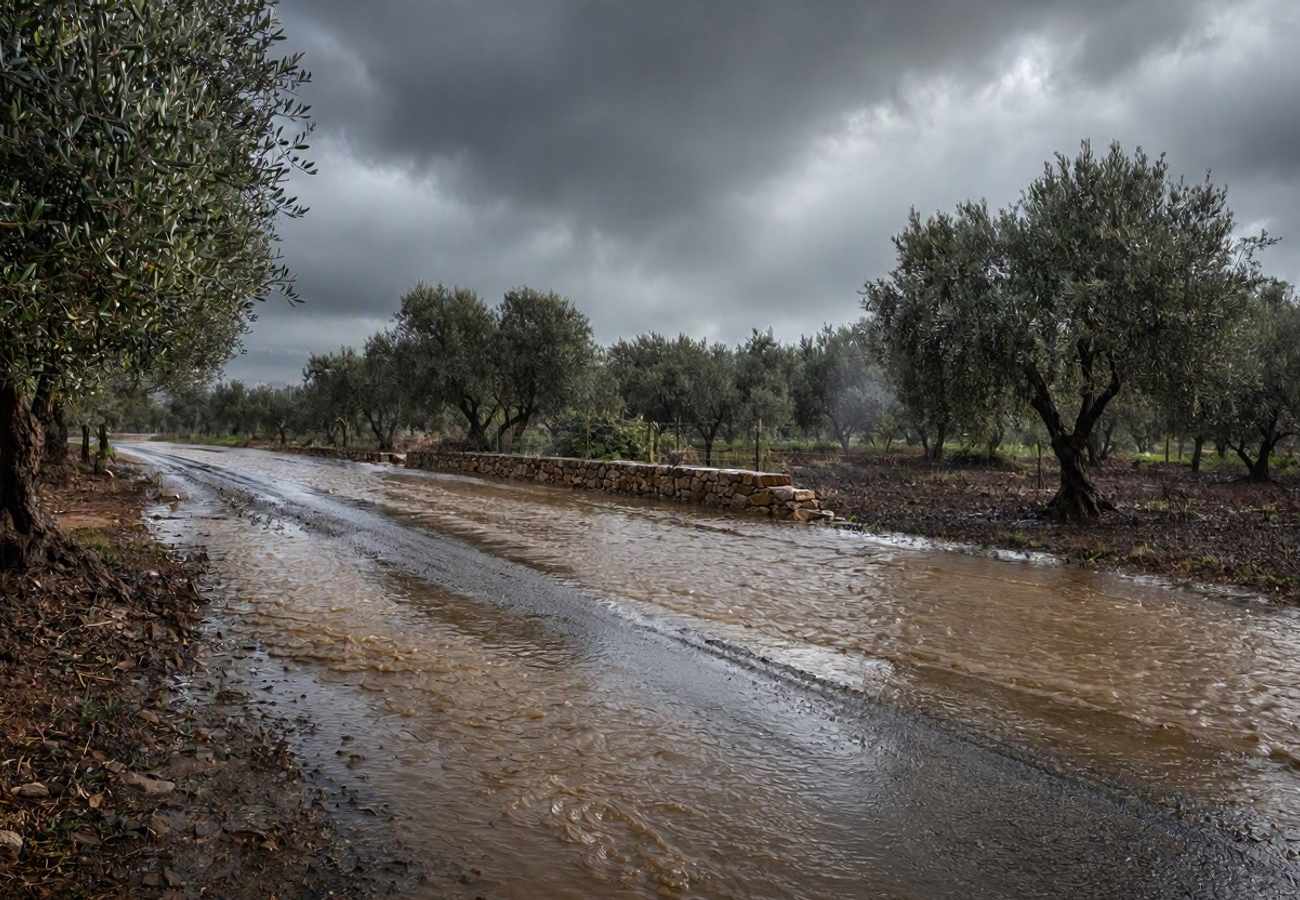
Image generated by AI
The Lasithi Plateau in Crete recently recorded a staggering 440 mm of rainfall in just two days, turning agricultural heartlands into lakes and leaving rural infrastructure in ruins. While the Mediterranean is often equated with endless sunshine, October 2026 has proven that the region is increasingly susceptible to violent "Mediterranean episodes"—intense cyclonic events that can paralyze an entire island's transport network in hours.
The 2026 Mediterranean Weather Shift
We are seeing a pattern where traditional "shoulder season" travel is being hit by unpredictable, high-intensity weather cells. Right now, the disruption is not uniform. While some areas like the Balearic Islands are experiencing mere showers, others are under red-alert status. Crete has emerged as the epicenter of this crisis, with the Greek Civil Protection and Copernicus emergency mapping activating protocols to track infrastructure failure and mudslides.
In Southern France, specifically the Gulf of Lion, the Hérault and Gard departments have faced "remarkable" rainfall. This isn't just a few rainy days; it is a series of flash floods that have turned coastal roads into rivers, specifically affecting those moving between Montpellier and Nîmes.
Regional Impact Breakdown: October 2026
The severity of the weather varies by geography. In Greece, the impact is systemic, affecting everything from airport transfers to mountain hiking. In Turkey, the risk is concentrated in the resort hubs of Antalya and Muğla, where flash floods often interrupt hotel transfers.
Mediterranean Weather Severity Matrix (Oct 2026)
| Destination | Primary Threat | Severity Level | Key Impacts |
|---|---|---|---|
| Crete (All Regions) | Torrential Rain/Landslides | Very High | Road closures, ferry delays, Samaria Gorge closures |
| Gulf of Lion (France) | Flash Floods/Violent Storms | High | Red-alert vigilance in Gard/Hérault; road/rail risks |
| Antalya & Muğla (Turkey) | Heavy Rain/Lightning | Moderate-High | Resort transfer interruptions, coastal road floods |
| Cyprus (Inland/Mtns) | Hail/Thunderstorms | Moderate | Localized flooding, rainfall >35mm per hour |
| Sardinia & Sicily (Italy) | Hydrogeological Risk | Moderate | Surface flooding, rough seas affecting boat trips |
| Slovenian Adriatic | Heavy Rain | Emerging | Potential flash flooding in Koper/Piran |
| Balearic Islands (Spain) | Showers | Low-Moderate | Temporary outdoor activity disruptions |
Visitor Insider Tips
If you are currently in the region or planning a trip for the remainder of the month, generic weather apps are not enough. You need to monitor official civil protection feeds.
- The Gorge Warning: If you are heading to Western Crete, avoid the Samaria Gorge during heavy rain. In early October, workers became stranded as trails vanished under floodwaters. Always check with local guides before entering any canyon or gorge.
- Transport Hacks: In Southern France, avoid the main arteries in the Hérault region during "red alert" windows. Use the Météo-France portal for real-time vigilance maps.
- The "Southern Italy" Precedent: Be aware that Sicily, Sardinia, and Calabria are still recovering from a massive January 2026 event that triggered a 12-month state of emergency. Infrastructure in these areas is more fragile than usual and prone to landslides.
- Turkey Transit: If staying in Bodrum or Marmaris, keep a flexible window for your Dalaman airport transfers. Flash floods in the Muğla region can turn a 1-hour drive into a 4-hour ordeal.
Cultural and Environmental Context
This surge in extreme weather is not an isolated incident but part of a growing trend of Mediterranean cyclonic episodes. For local communities in Crete and Southern France, these floods represent more than just a tourism inconvenience; they are agricultural catastrophes. The mud-covered farmland of the Lasithi Plateau represents a significant economic loss for local farmers.
Tourism boards are now struggling to balance the promotion of "autumn escapes" with the reality of climate volatility. There is an increasing need for travelers to shift their mindset from "sun-seeking" to "weather-aware," respecting the local warnings issued by authorities who understand the specific hydrogeological risks of their terrain.
FAQ: Visiting the Mediterranean October 2026
Is it safe to travel to Crete right now? It is possible, but exercise extreme caution. Avoid rural driving in the Lasithi Plateau and stay away from gorges. Monitor the Greek Civil Protection for road closures and ferry cancellations.
Are flights to Southern France being cancelled? Most airports remain operational, but ground transport (road and rail) around Montpellier and Nîmes is highly volatile due to flash flooding.
Do I need special insurance for weather disruptions? Yes. Ensure your travel insurance covers "natural disasters" or "extreme weather," as standard policies may not cover excursion cancellations due to red-alert weather warnings.
Which Mediterranean areas are currently the safest from storms? The Balearic Islands (Mallorca, Ibiza) and the Croatian Dalmatian coast (Split, Dubrovnik) are currently reporting much calmer conditions compared to Greece and France.
Travel with a map, but follow the locals when the clouds turn grey.
Related Travel Guides
Disclaimer
This article is for informational and educational purposes only. It does not constitute legal, financial, or professional advice. While we strive to provide accurate and up-to-date information, travel policies, regulations, and conditions change rapidly. Always verify information with official sources before making travel decisions. Nomad Lawyer makes no representations about the accuracy, reliability, completeness, or suitability of the information provided. Readers should consult qualified professionals for advice specific to their circumstances. The views expressed in this article are those of the author and do not necessarily reflect the views of Nomad Lawyer.
Naina Thakur
Contributor & Travel Specialist
Travel enthusiast and legal writer covering visa regulations, responsible tourism, and cultural journeys across global destinations.
Learn more about our team →