
Mass Disruptions Strand 700+ Flights Across Australia, New Zealand
Over 700 flights delayed and 80 cancelled across Australian and New Zealand airports on April 20, 2026, creating widespread travel chaos for thousands of passengers across the Tasman region.

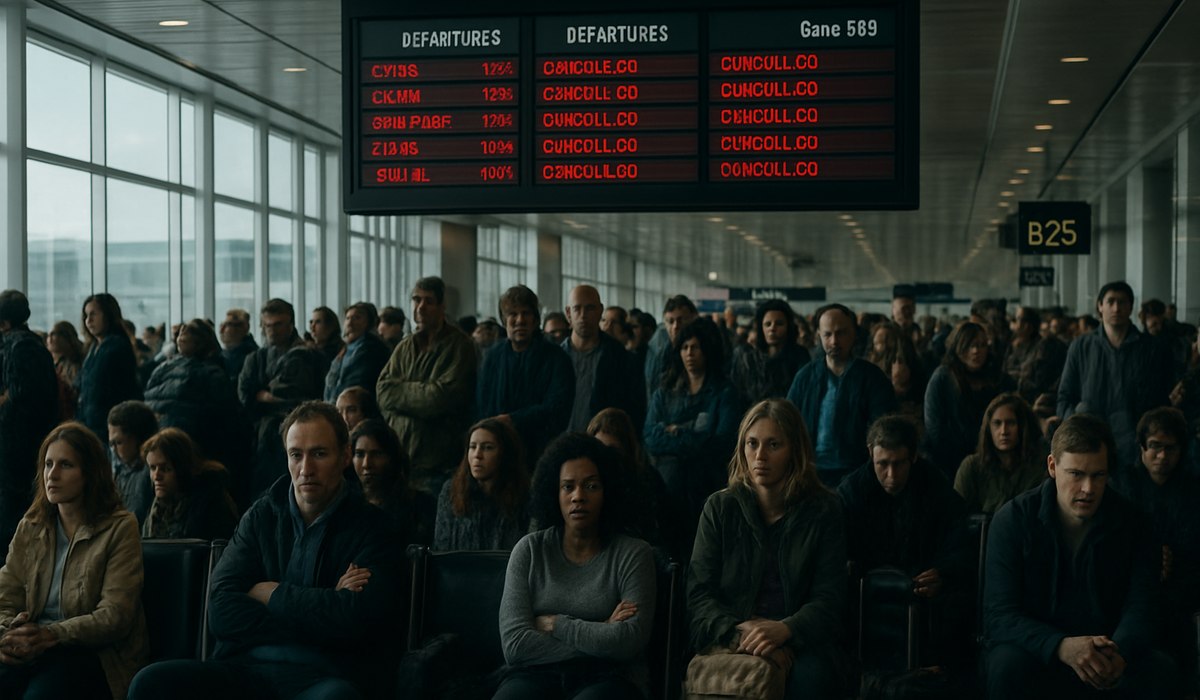
Image generated by AI
Thousands Stranded as Major Travel Disruption Unfolds Across Tasman Region
Thousands of air travelers faced extraordinary disruption across Australia and New Zealand on April 20, 2026, as widespread cancellations and delays crippled operations at five major airport hubs. Over 700 flights experienced delays while 80 services were cancelled entirely, leaving terminals crowded with stranded passengers and creating cascading effects throughout airline networks. Mass disruptions strand passengers at Sydney, Melbourne, Brisbane, Auckland, and Wellington, impacting business travelers, holiday makers, and international visitors using both nations as long-haul gateways.
The scale of the disruption mirrors previous shock days from mid-April, when Australian airports alone recorded over 400 disrupted services in a single day. This recurring pattern signals deepening systemic stress within the region's aviation infrastructure during a period of mounting operational challenges.
Airports Across the Tasman Struggle With Large-Scale Disruption
Brisbane, Auckland, Melbourne, Sydney, and Wellington bore the brunt of April 20's disruptions, with domestic schedules particularly hard hit. Mass disruptions strand travelers on both domestic trunk routes and trans-Tasman connections, creating compounding effects that rippled through the entire network.
Domestic services within Australia faced the steepest cancellations, particularly on routes feeding into Sydney and Melbourne from state capitals. In New Zealand, both Auckland and Wellington experienced repeated schedule changes affecting regional and trunk routes. The combined pressure produced extended queues at customer service desks and overflowing departure halls as airlines worked through rebooking thousands of affected passengers.
Operational tracking services revealed variable real-time tallies across different platforms, yet the overall impact remained unmistakable: severe systemic stress affecting both nations' aviation sectors simultaneously. The disruption extended beyond immediate operational disruption to reshape travel patterns for leisure and business segments relying on Australia-New Zealand connectivity.
Which Airlines Face Maximum Impact From the Disruptions
Qantas, Air New Zealand, Virgin Australia, and Jetstar emerged as the most heavily impacted carriers, reflecting their dominant positions within domestic and trans-Tasman markets. Each airline has navigated a difficult operational landscape throughout 2026, managing fuel cost pressures linked to Middle East tensions, aircraft maintenance constraints, and ground handling staffing challenges.
Air New Zealand entered April following the announcement of approximately 1,100 flight cancellations through early May—a capacity reduction that directly affected tens of thousands of passengers while significantly reducing network resilience. When same-day weather or air traffic control issues emerge, diminished spare capacity accelerates the transformation of delays into cancellations on critical routes including Auckland-Wellington and Christchurch connections.
Australian carriers Qantas, Virgin Australia, and Jetstar have featured prominently in weekly disruption statistics. Recent consumer coverage highlighted multiple days exceeding 400 recorded disruptions at major Australian airports, with air traffic control staffing shortages and compressed turnaround schedules particularly acute around Sydney and Brisbane corridors.
Cascading Effects on Domestic and International Routes
Today's mass disruptions strand passengers on interconnected networks where single-airport delays propagate across multiple markets. Domestic schedule volatility creates immediate knock-on effects for international connections, stranding travelers attempting trans-Tasman journeys or long-haul departures utilizing Australia and New Zealand as gateway cities.
The disruption arrives amid a month of mounting regional aviation strain. Late March brought severe rain warnings across northern New Zealand, prompting precautionary capacity adjustments. Historical precedent includes 2021 flooding events that temporarily closed Auckland Airport entirely, forcing cancellation of all scheduled services.
Simultaneously, capacity constraints reflect deliberate airline decisions. Jetstar filings published April 20 disclosed fresh frequency reductions of 2-3 percent across dozens of Australian domestic and trans-Tasman routes from late May through June. These adjustments respond to elevated operating costs and international market uncertainty, particularly fuel price volatility tied to Middle Eastern geopolitical tensions and consequent airspace restrictions forcing reroutes and increased operational buffers.
What Travelers Should Know Now
Immediate Actions for Affected Passengers:
-
Contact your airline directly through official phone lines or website channels rather than relying on airport customer service desks experiencing severe queuing.
-
Request hotel accommodation and meal vouchers if your flight cancellation exceeds three hours; Australian Consumer Law and Air New Zealand passenger policies provide specific entitlements.
-
Document all expenses including accommodation, meals, and ground transportation for potential compensation claims under consumer protection regulations.
-
Monitor official airline social media channels for real-time schedule updates rather than relying on airport information displays showing delayed information.
-
Consider travel insurance claims if your policy covers airline disruptions; review terms before submitting documentation.
-
Explore alternative routing through regional carriers or connecting airports if rebooking on your original airline proves unavailable within reasonable timeframes.
The mass disruptions strand situation requires patience, as customer service teams process thousands of rebooking requests simultaneously. Expect longer-than-normal wait times at all contact channels throughout April 20-21.
Key Disruption Data: April 20, 2026
| Metric | Details |
|---|---|
| Total Flights Delayed | 700+ services |
| Total Flights Cancelled | 80 services |
| Most Affected Airports | Sydney, Melbourne, Brisbane, Auckland, Wellington |
| Primary Affected Routes | Domestic services, trans-Tasman connections |
| Air New Zealand Cancellations (April-May) | ~1,100 flights |
| Jetstar Capacity Reduction (May-June) | 2-3% frequency cuts |
| Previous April Disruption Peak | 400+ services (mid-April) |
| Primary Causes | Staffing constraints, fuel costs, capacity cuts |
FAQ: Passenger Questions About April 20 Disruptions
What compensation am I entitled to if my flight was cancelled? Australian Consumer Law mandates airline provision of accommodation, meals, and ground transportation for cancellations caused by airline factors. Trans-Tasman passengers should reference Air New Zealand's passenger rights policy. International carriers operating these routes may have different obligations; verify your airline's specific compensation framework immediately.
How long should I expect rebooking to take? Given thousands of simultaneous rebooking requests, expect 24-48 hours for customer service teams to process your request through standard channels. Premium or frequent flyer members may receive expedited handling. Direct airline contact typically processes faster than airport customer service desks currently overwhelmed with stranded passengers.
Will my luggage reach my final destination if I'm rebooked on a different flight? Airlines prioritize reuniting passengers with checked luggage on rebooked services when possible. However, significant delays may occur if your original baggage departed on a cancelled flight. Request specific baggage confirmation from your rebooking agent rather than assuming automatic transfer.
Should I purchase alternative travel arrangements or wait for airline rebooking? Avoid purchasing competing tickets until your airline explicitly confirms they cannot accommodate you within 24 hours of your original scheduled departure. Purchasing independently may jeopardize compensation eligibility under consumer protection regulations. Document all communication attempts with your airline before considering alternative bookings.
Broader Context: Regional Aviation Under Pressure
The April 20 disruptions represent the latest chapter in a challenging year for trans-Tasman aviation. Fuel cost volatility tied to Middle Eastern tensions, aircraft maintenance backlogs, and deliberate capacity reductions have created reduced operational resilience across both nations' networks.
Air New Zealand's pre-April announcements signaled management recognition that cost pressures necessitate significant service reductions through early May. This intentional capacity contraction, while financially prudent, leaves minimal buffer capacity when weather, staffing, or air traffic control issues emerge unexpectedly.
Australia's domestic market faces parallel pressures. Jetstar's disclosed frequency reductions signal industry-wide
Disclaimer
This article is for informational and educational purposes only. It does not constitute legal, financial, or professional advice. While we strive to provide accurate and up-to-date information, travel policies, regulations, and conditions change rapidly. Always verify information with official sources before making travel decisions. Nomad Lawyer makes no representations about the accuracy, reliability, completeness, or suitability of the information provided. Readers should consult qualified professionals for advice specific to their circumstances. The views expressed in this article are those of the author and do not necessarily reflect the views of Nomad Lawyer.
Preeti Gunjan
Contributor & Community Manager
A passionate traveller and community builder. Preeti helps grow the Nomad Lawyer community, fostering engagement and bringing the reader experience to life.
Learn more about our team →