
Breaking Airline News: How Emirates and Air India's Mandatory Insurance Shield Passengers from Extreme Travel Chaos
Breaking airline news: Amidst a terrifying era of severe operational fragility, mandatory government insurance frameworks violently guarantee that passengers flying Emirates and Air India are financially insulated from extreme travel chaos.

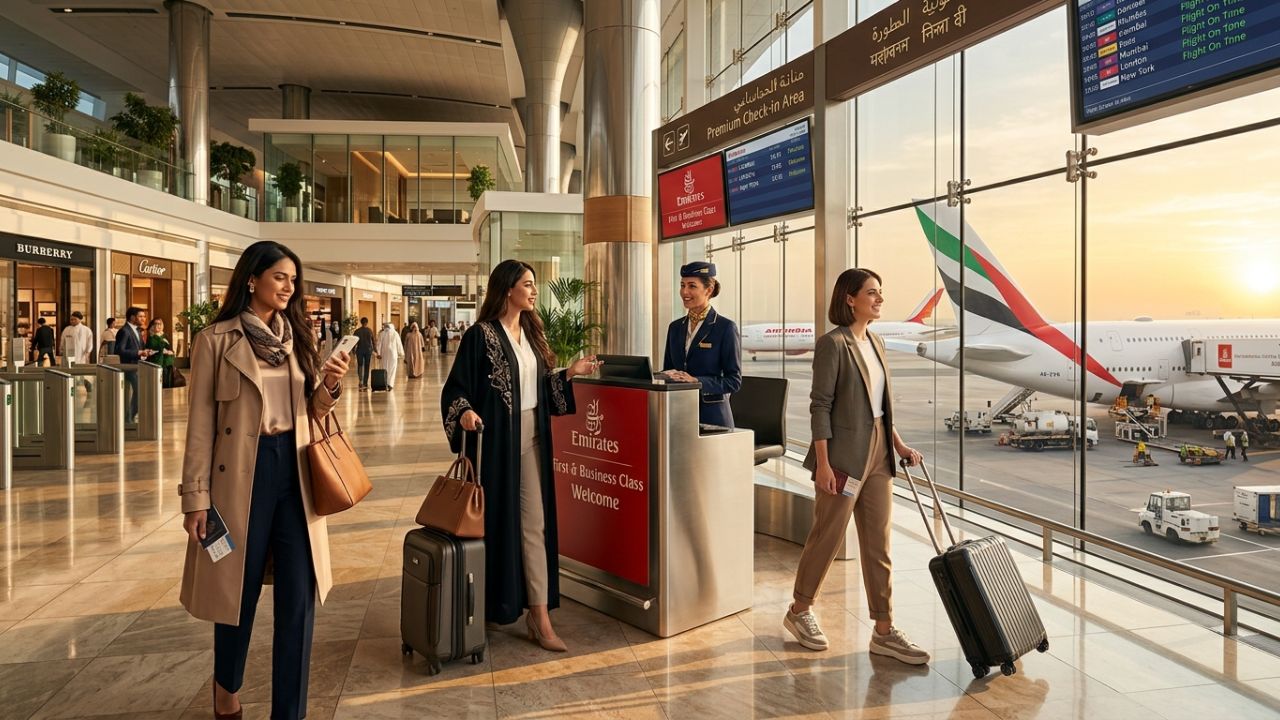
Image representing the intense strategic defense mechanisms as governments violently enforce mandatory liability insurance on carriers like Emirates and IndiGo, aggressively shielding passengers from extreme travel chaos and flight cancellations.
Breaking Airline News: How Emirates and Air India's Mandatory Insurance Shield Passengers from Extreme Travel Chaos
As paralyzing terminal bottlenecks, terrifying airspace closures, and catastrophic operational fragility violently threaten to completely shatter the global transit grid, a massive financial defense network is actively operating in the background to protect stranded travelers. In a harrowing era where sudden flight cancellations and extreme airport disruptions routinely plunge passengers into terrifying travel chaos, bold travel insurance coverage is no longer an optional luxury—it is an absolute, government-mandated imperative. Aggressively enforced by international law and sovereign directives, major carriers including Emirates, IndiGo, Air India, and Air India Express are rigorously compelled to provide comprehensive liability insurance for death, injury, baggage loss, cargo, and third-party damages. By integrating this massive baseline protection directly into ticket prices, global regulators ensure that passengers are automatically and violently shielded from the devastating financial fallout of in-flight risks, agonizing delays, and systemic aviation meltdowns.
In a brutal demonstration of how desperately international passengers require absolute financial security during operational collapses, this regulatory framework is rooted in the uncompromising standards of the Montreal Convention. With liability limits aggressively revised and increased in 2024, the law demands that compensation is automatically available without passengers begging for it. As frantic travelers navigate the crushing realities of modern airport disruptions, regulatory bodies—including India’s DGCA and the UAE’s GCAA—are actively threatening the immediate suspension of Air Operator Permits for any carrier failing to maintain active insurance certificates on board. This unapologetic enforcement posture guarantees that whether flying a premium flagship or a low-cost carrier, your journey is legally shielded against the worst of global travel chaos.
Expanded Overview: The Sovereign Regulatory Fortress
The terrifying crisis of overwhelming passenger stress currently testing international gateways brutally exposes the necessity of strict, government-mandated liability. Insurance obligations were not voluntarily invented by airlines seeking good PR; they were forcefully imposed by sovereign governments invoking international law to protect their citizens.
The Carriage by Air Act in India gives immense domestic power to the Montreal Convention, empowering courts to violently hold carriers accountable for death, injury, and devastating delays. Simultaneously, the United Kingdom Civil Aviation Authority (CAA) and the UAE’s General Civil Aviation Authority (GCAA) have issued severe directives, mandating that policies must explicitly include coverage for war, terrorism, sabotage, and hijacking.
Section-Wise Breakdown: Implementing the Financial Shield
To fully comprehend the massive logistical advantage of this highly fortified regulatory framework, corporate travel planners must review exactly how specific carriers are forced to comply.
The UAE Fortress: Emirates’ Ironclad Defense As the flagship carrier of Dubai, Emirates is inextricably bound to the severe laws of the United Arab Emirates. The GCAA sets an exceptionally high bar for operational safety. Emirates is legally forced to carry massive insurance policies, featuring a staggering minimum of 250,000 Special Drawing Rights (SDRs) for each passenger seat. For third-party liability—critical in the event of catastrophic ground incidents—the sliding scale coverage reaches up to an astonishing 700 million SDRs for the heaviest aircraft. Furthermore, the 2024 Montreal Convention update radically increased global baselines, forcing airlines to absorb massive new costs: death/injury limits rose to 151,880 SDRs, delay limits to 6,303 SDRs, and baggage loss to 1,519 SDRs. Emirates absorbed these increases instantly, ensuring absolute passenger protection.
India’s Sovereign Shield: IndiGo and Air India India’s massive aviation sector operates under an equally rigid framework. The DGCA mandates that IndiGo, India’s largest private domestic carrier, and Air India, the Tata Group-owned national flagship, maintain current insurance adequate to cover all liabilities under the Carriage by Air Act. The DGCA emphatically requires that coverage must be adequate to handle extreme disruptions, including war and terrorism risks. Crucially, the Press Information Bureau has officially emphasized that in the event of an accident, Air India and other carriers must make immediate advance payments to victims, completely prohibiting any delay in compensation. Air India Express, operating high-volume routes to the Middle East, is bound by identical constraints, proving that low-cost operations do not excuse a carrier from strict sovereign liability.
Category-Wise Strategic Liability Matrix
To ensure travel planners can aggressively track the specific financial metrics defining this operational shield, the following matrix details the verified insurance categories each airline must strictly cover.
| Airline Operator | Passengers | Baggage | Cargo | Third parties | War/Terrorism |
|---|---|---|---|---|---|
| Emirates | 250k SDR per seat; revised limits apply | 1,288 SDR per passenger | 22 SDR per kg | Sliding scale up to 700M SDR based on mass | Mandatory; includes hijacking |
| IndiGo | 151,880 SDR limit from 2024; strict liability under Carriage Act | Baggage covered up to 1,519 SDR | Cargo coverage; 26 SDR/kg | Coverage required under DGCA rules | Included under DGCA guidance |
| Air India | Same as IndiGo; advance payments required | Same as IndiGo | Same as IndiGo | Must include third party risk | Includes war and terrorism |
| Air India Express | Same as Air India; mandated by DGCA | Same as Air India | Same as Air India | Must cover third party liabilities | Includes war and hijacking |
Passenger Impact: Surviving the Meltdown with Confidence
For the millions of travelers attempting to confidently navigate the rapidly degrading global transit corridors, this mandatory framework represents a highly critical sanctuary. When a passenger purchases a ticket on IndiGo or Emirates, the mandatory baseline protection operates silently in the background.
Travelers facing devastating flight cancellations or hopelessly lost baggage do not need to rely solely on optional, third-party travel insurance to survive the ordeal. The Montreal Convention and domestic legislation guarantee that the airline is strictly liable up to the revised 2024 SDR limits. By forcing airlines to integrate this massive baseline protection into ticket prices, governments have successfully ensured that commerce remains strictly subordinate to passenger safety and financial security.
Industry Analysis: The Threat of Enforcement
From a strategic aviation perspective, this is not a system of suggestions; it is a system of severe penalties. Regulatory bodies like the DGCA and GCAA actively inspect aircraft to verify that valid insurance certificates are physically carried on board. If an operator fails to maintain updated coverage matching the 2024 Montreal limits—or fails to secure war and terrorism clauses—their operating license will be instantly canceled. This unyielding enforcement posture reflects a deep patriotic commitment, proving that sovereign nations view the safety and financial security of their traveling citizens as a matter of absolute national honor.
Conclusion: An Unyielding Defense Against Disruption
As the extremely critical international transit network continues to face terrifying strain from unprecedented geopolitical volatility and operational fragility, the mandatory insurance frameworks governing Emirates, IndiGo, and Air India are an absolute turning point. They signal a massive global determination to permanently shield passengers from the crippling financial impact of travel chaos. While airlines may aggressively market optional add-on insurance for supplementary perks, the core reality is indisputable: your baseline survival against airport disruptions, delays, and cargo loss is already permanently guaranteed by law.
Key Takeaways
- Mandatory Protection: Governments have forcefully mandated that airlines like Emirates, IndiGo, Air India, and Air India Express provide comprehensive travel insurance for death, injury, delays, baggage, and cargo.
- 2024 Revised Limits: The Montreal Convention heavily increased maximum compensation limits in 2024, pushing death/injury liability to 151,880 SDRs, baggage to 1,519 SDRs, and delays to 6,303 SDRs.
- UAE's Massive Baseline: The UAE demands that Emirates maintain a staggering minimum of 250,000 SDRs per passenger seat and up to 700 million SDRs for third-party liability.
- Strict DGCA Enforcement: The Indian DGCA actively threatens to cancel the Air Operator Permits of IndiGo or Air India if they fail to carry valid insurance certificates on board that cover war and terrorism.
- Built-in Shield: This mandatory baseline coverage is automatically integrated into the ticket price, ensuring all passengers are financially shielded from travel chaos without needing to request it.
Related Travel Guides
Disclaimer
This article is for informational and educational purposes only. It does not constitute legal, financial, or professional advice. While we strive to provide accurate and up-to-date information, travel policies, regulations, and conditions change rapidly. Always verify information with official sources before making travel decisions. Nomad Lawyer makes no representations about the accuracy, reliability, completeness, or suitability of the information provided. Readers should consult qualified professionals for advice specific to their circumstances. The views expressed in this article are those of the author and do not necessarily reflect the views of Nomad Lawyer.
Kunal K Choudhary
Co-Founder & Contributor
A passionate traveller and tech enthusiast. Kunal contributes to the vision and growth of Nomad Lawyer, bringing fresh perspectives and driving the community forward.
Learn more about our team →