
Malta Pioneers Positive Action Community Tourism Initiative as Mark Weingard Expands 45-Member PACT Model Across Portugal, Greece, and Spain

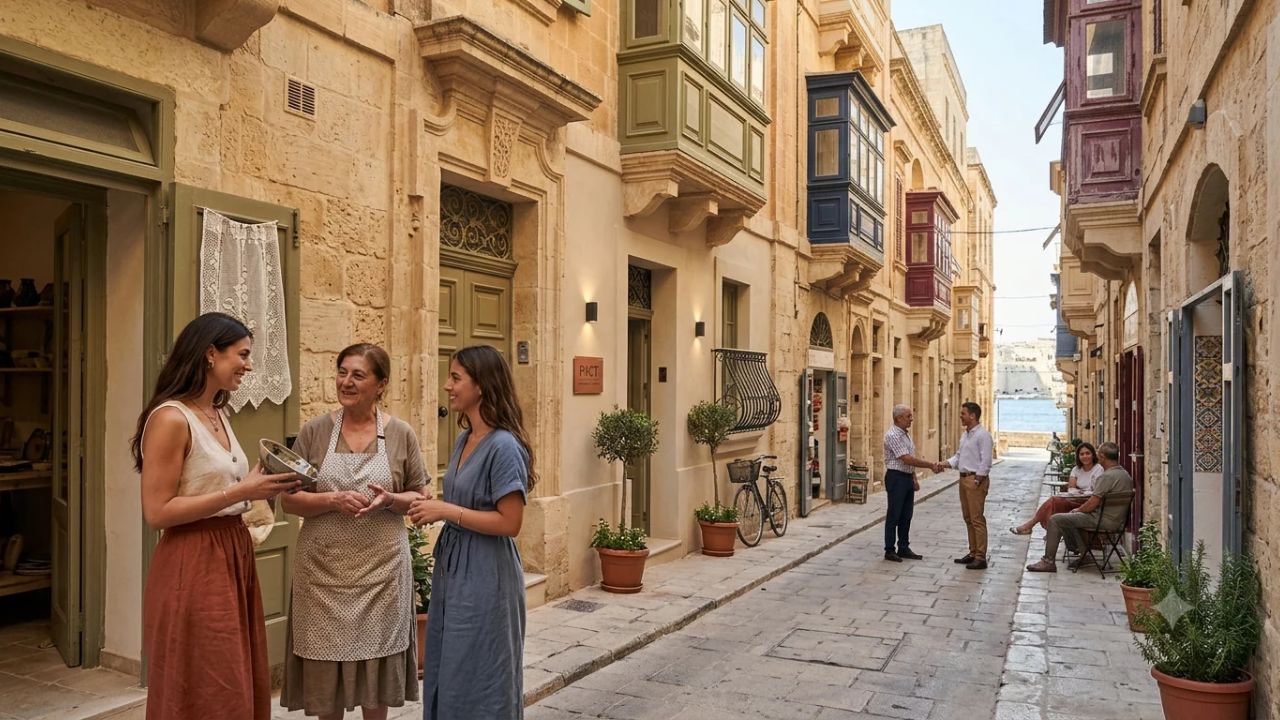
Malta has emerged as the launchpad for Positive Action Community Tourism (PACT), an international hospitality movement founded by British entrepreneur Mark Weingard that unites 45 member organizations to redirect tourism capital directly into local cultural preservation, resident wellbeing, and neighbourhood infrastructure across Southern Europe.
The initiative, headquartered in Malta’s historic capital of Valletta, comes as landmark European destinations confront mounting public resistance to unchecked visitor growth, escalating residential rents, and the commodification of historic city centers. By establishing a cooperative network of independent hoteliers, civic organizations, and local cultural leaders, PACT introduces a regenerative business model designed to ensure host communities derive measurable social and financial benefits from international travel.
The Genesis of PACT in Valletta: Reimagining Hospitality Economics
The foundation of PACT reflects a decisive departure from traditional hospitality metrics. For decades, hotel investment success has been gauged almost exclusively by occupancy rates, average daily rates (ADR), revenue per available room (RevPAR), and net investor returns. This narrow commercial focus has frequently isolated luxury accommodations from the residential neighbourhoods surrounding them.
Mark Weingard, founder of the luxury hospitality brand Iniala Group, established PACT to realign hotel operations with local community needs. Having restored several historic palazzos overlooking the Grand Harbour to create Iniala Harbour House in Valletta, Weingard utilized the capital's heritage core as a testing ground for community-integrated luxury.
As of late October 2026, the movement has formally onboarded 45 member entities, comprising boutique hotels, local craft collectives, neighbourhood cultural trusts, and non-profit community groups. Rather than treating local residents as passive bystanders, PACT requires participating properties to institutionalize community consultation and direct financial contributions into neighbourhood conservation.
| Operational Dimension | Conventional Commercial Hospitality | PACT Community-Centred Hospitality Model |
|---|---|---|
| Primary Performance Metric | RevPAR, occupancy rate, financial yield | Community social return, local procurement, resident sentiment |
| Supply Chain Integration | Centralized corporate distributors | Regional farmers, local artisans, independent neighbourhood shops |
| Heritage Conservation | Aesthetic restoration focused on guest experience | Structural conservation supporting accessible public and civic spaces |
| Community Engagement | Transactional public relations campaigns | Structured resident advisory boards and regular town hall sessions |
| Workforce Strategy | Seasonal, transient, and imported labor | Year-round employment, local vocational training, leadership pathways |
| Cultural Investment | Sporadic corporate philanthropy | Committed percentage of revenues allocated to community trusts |
European Expansion Blueprint: Lisbon, Athens, Madrid, and Paris
Building upon its operational foundation in Malta, PACT is expanding its network across key Southern and Western European capitals where urban tourism pressures have generated acute housing and identity debates.
| Country | Focus Destination | Primary Community Tourism Priority | Strategic Hospitality Action |
|---|---|---|---|
| Malta | Valletta | Heritage building restoration without resident displacement | Directing visitor spend into local artisan workshops and maritime heritage |
| Portugal | Lisbon | Mitigating short-term rental strain in historic quarters | Partnering with independent Fado houses, tile artisans, and neighborhood cooperatives |
| Greece | Athens | Decentralizing tourist footfall beyond the Acropolis perimeter | Sourcing exclusively from suburban agricultural co-ops; funding neighborhood civic centers |
| Spain | Madrid | Preserving traditional barrio commerce and artisan trades | Commissioning local designers, carpenters, and regional ceramicists for hotel projects |
| France | Paris | Safeguarding living residential quarters from luxury monoculture | Establishing collaborative community funds to protect traditional boulangeries and bookshops |
| United Kingdom | London | Addressing urban housing displacement through civic partnerships | Reinvesting corporate hospitality yields into borough-level social enterprise programs |
Portugal: Protecting Lisbon's Living Neighbourhoods
In Portugal, Lisbon represents the initial international expansion hub for Weingard's hospitality concepts. The city’s historic neighbourhoods, including Alfama, Mouraria, and Bica, have experienced severe gentrification pressures driven by widespread residential conversions into holiday rentals.
Under the PACT framework, planned hospitality developments in Lisbon will establish binding partnerships with local cultural organizations, independent designers, and culinary institutions. By actively prioritizing neighbourhood businesses over corporate suppliers and creating permanent, living-wage hospitality roles for local residents, the model demonstrates how private capital can support Lisbon's distinctive social fabric without accelerating demographic displacement.
Greece: Expanding Cultural Footprints in Athens
In Athens, PACT's expansion plans center on connecting international travelers with grassroots artistic and culinary traditions. While millions of visitors pass through the central Plaka district each year to visit classical archaeological landmarks, independent neighbourhoods across the Greek capital frequently receive minimal economic benefit from this visitor volume.
Hotels participating in the Athens expansion will partner with regional agricultural cooperatives, independent craftspeople, and civic conservation trusts. These partnerships create opportunities for visitors to experience contemporary Athenian culture through walking food tours led by resident vendors, community-run cultural workshops, and regional craft exhibitions within hotel public spaces.
Spain, France, and the United Kingdom
In Madrid, PACT focuses on preserving the character of historic barrios such as La Latina and Chamberí, where independent family-owned taverns and trade workshops face commercial rent inflation. Participating properties commit to commissioning regional furniture makers, sourcing seasonal produce from regional Madrid cooperatives, and co-funding neighborhood preservation initiatives.
In Paris and London, where Weingard's British background connects the movement with global financial and cultural capitals, PACT offers a framework for luxury operators to move beyond superficial greenwashing. By establishing measurable benchmarks for community investment, the initiative provides municipal planners with a working template for responsible commercial development.
The Gentrification Paradox: Balancing Heritage with Housing Affordability
A foundational debate surrounding community-based tourism is whether private hotel initiatives can genuinely counteract urban gentrification. The architectural restoration of historic palazzos—while preserving cultural heritage—inevitably elevates adjacent real estate values, potentially pricing out the very residents who establish a neighbourhood's cultural identity.
PACT acknowledges that private hospitality initiatives cannot independently resolve structural housing crises. Real estate speculation, the proliferation of unregulated short-term rentals, and outdated zoning laws require decisive intervention from national governments and municipal authorities.
The initiative positions itself as a constructive private-sector counterpart to public policy. Rather than accelerating commercial displacement, PACT-aligned properties commit to maintaining year-round operations, supporting local commercial tenants on ground-floor premises, and establishing community consultation mechanisms before initiating physical restoration projects.
Integrating Wellness with Cultural Identity
A key dimension of Weingard's hospitality philosophy is the integration of physical wellness with place-based culture. Modern travelers increasingly demand comprehensive wellness programming, including personalized nutrition, restorative physical therapies, and mindfulness retreats.
Within the PACT framework, wellness services avoid standardized resort formulas. Instead, wellness treatments integrate indigenous botanical ingredients, traditional Mediterranean nutrition regimens, and guided outdoor activities that respect the local geography. In Malta, this includes outdoor coastal trekking, regional herbal remedies, and farm-to-table culinary programs supplied by Maltese organic farmers.
This holistic approach ensures that guest wellbeing directly reinforces the economic viability of local agricultural producers, avoiding insular luxury enclaves that operate in isolation from host communities.
Accountability and Verifiable Community Metrics
The long-term credibility of Positive Action Community Tourism depends on transparent, auditable accountability. Critics of sustainable tourism frequently point out that corporate pledges often fail to produce verifiable benefits for local populations.
To prevent community-washing, PACT is developing standardized reporting criteria for all member organizations:
- Local Procurement Audits: Documenting the exact percentage of operational expenditures directed toward independent suppliers within a 50-kilometer radius.
- Resident Employment Ratios: Publishing workforce data reflecting permanent, year-round positions held by local residents across both operational and managerial levels.
- Direct Cultural Investment: Auditing the total financial contributions delivered to grassroots community groups, heritage restorations, and neighborhood arts programs.
- Independent Resident Feedback: Conducting third-party community sentiment surveys to measure whether local populations perceive tangible improvements in neighbourhood quality of life.
By demonstrating that community wellbeing and commercial profitability are mutually reinforcing, Malta's PACT movement provides a practical blueprint for the future of European sustainable travel.
Frequently Asked Questions
What is Positive Action Community Tourism (PACT)?
PACT is an international movement uniting hotels, civic groups, and local businesses to ensure tourism revenue directly supports heritage restoration, local supply chains, and resident wellbeing.
Who founded PACT and where did it start?
British entrepreneur Mark Weingard, founder of the Iniala Group, launched the initiative in Valletta, Malta, using Iniala Harbour House as its initial testing ground.
How many members are currently involved in the PACT initiative?
As of late October 2026, PACT has formally enrolled 45 member organizations across the hospitality, cultural, and non-profit sectors.
Which countries are targeted for PACT's international expansion?
Beyond Malta, the initiative is expanding into Portugal (Lisbon), Greece (Athens), and Spain (Madrid), with broader frameworks developed for France (Paris) and the United Kingdom (London).
Related Travel Guides
- Barcelona and Paris Heighten Halloween 2026 Security Amid Youth Protests and Riots as Authorities Clarify Tourist Hotspots Remain Open
- Barry Wales Unveils Autumn 2026 Event Calendar Blending Porthkerry Woodland Folklore, Live Music, and Regional Tourism Lessons from Pennsylvania and New York
- Singapore Airlines Inks Three-Year Deal for 4,800 Tonnes of Next-Gen SAF from Aether's Project Beacon at Pulau Bukom Starting 2028
Disclaimer
This article is for informational and educational purposes only. It does not constitute legal, financial, or professional advice. While we strive to provide accurate and up-to-date information, travel policies, regulations, and conditions change rapidly. Always verify information with official sources before making travel decisions. Nomad Lawyer makes no representations about the accuracy, reliability, completeness, or suitability of the information provided. Readers should consult qualified professionals for advice specific to their circumstances. The views expressed in this article are those of the author and do not necessarily reflect the views of Nomad Lawyer.
Naina Thakur
Contributor & Travel Specialist
Travel enthusiast and legal writer covering visa regulations, responsible tourism, and cultural journeys across global destinations.
Learn more about our team →