
Malaysia Airlines MAG Shatters Profit Records Amid Fuel Price Chaos: India China Australia Travel Demand Surge Reshapes Asian Aviation
Malaysia Airlines and MAG post record-breaking profits despite volatile fuel prices, driven by surging travel demand from India, China, and Australia reshaping Southeast Asian aviation.

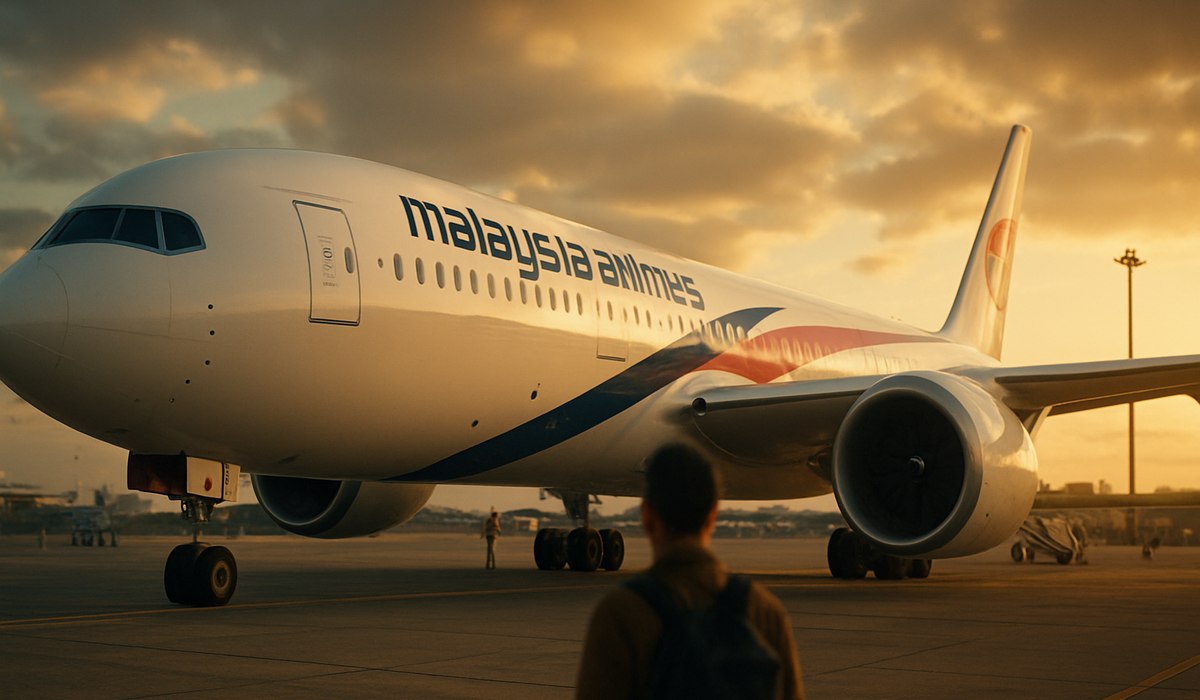
Image generated by AI
Malaysia Airlines & MAG Shatter Profit Records Despite Fuel Price Chaos — India, China & Australia Travel Demand Fuels Historic Growth
Malaysia Aviation Group has achieved a stunning financial turnaround in 2025, posting record-breaking profits of RM137 million—more than double the previous year's RM54 million—despite relentless geopolitical uncertainties and volatile fuel prices that have crippled competitors across the Asia-Pacific region. The flagship carrier Malaysia Airlines, operating from its hub at Kuala Lumpur International Airport, has capitalized on an unprecedented surge in travel demand from high-growth markets including India, China, Australia, and New Zealand, fundamentally reshaping the airline's operational capacity and international connectivity. This remarkable recovery comes as the aviation industry grapples with ongoing fuel price volatility and supply chain disruptions, yet Malaysia Airlines has managed not only to survive but to thrive, expanding its route network and modernizing its fleet while competitors struggle with operational challenges.
The surge in passenger traffic has been nothing short of extraordinary, with Malaysia Airlines reporting an increase of 12% in total passengers carried, reaching 18.6 million travelers in 2025. The airline's Available Seat Kilometres (ASK) expanded by 16%, demonstrating aggressive capacity growth across its international network. This expansion has been particularly pronounced on routes connecting major Indian cities such as Delhi, Mumbai, and Bangalore to Kuala Lumpur, as well as strengthened connections to Chinese hubs including Shanghai, Beijing, and Guangzhou. Australian travelers have also driven significant demand, with the airline increasing flight frequencies to Sydney, Melbourne, and Brisbane, while simultaneously restoring critical services to European destinations such as Paris. The solid load factor of 81% indicates that Malaysia Airlines is operating at near-optimal capacity utilization, a testament to the strength of underlying travel demand across these key markets.
The volatility of global fuel prices, exacerbated by geopolitical tensions particularly in the Middle East, has created unprecedented challenges for the aviation industry worldwide. According to the International Air Transport Association (IATA), fuel costs remain one of the most significant operational expenses for airlines, and fluctuations in crude oil prices directly impact profitability and ticket pricing. Malaysia Airlines has implemented sophisticated fuel hedging strategies to mitigate the impact of these price swings, allowing the carrier to maintain competitive pricing while protecting margins. However, travelers booking flights from India to Malaysia, or connecting through Kuala Lumpur to Australia, may notice modest fare increases as airlines pass through some fuel surcharges. The airline's ability to absorb these costs while simultaneously expanding capacity demonstrates the strength of demand from Indian, Chinese, and Australian markets, where travel appetite has remained resilient despite global economic headwinds.
The travel demand surge from India, China, and Australia represents a fundamental shift in Asia-Pacific aviation patterns, with Malaysia Airlines positioned at the epicenter of this transformation. India's rapidly expanding middle class has driven explosive growth in international travel, with Indian travelers increasingly seeking Southeast Asian destinations for both leisure and business purposes. Chinese travelers, buoyed by easing visa restrictions and renewed confidence in international travel post-pandemic, have returned to Malaysia in record numbers, particularly targeting Kuala Lumpur's shopping districts, cultural attractions, and nearby island destinations. Australian visitors, drawn by Malaysia's proximity, cultural diversity, and competitive pricing compared to other long-haul destinations, have made the India-Malaysia-Australia triangle a critical growth corridor for the airline. This demand has directly translated into increased flight frequencies on routes such as Delhi to Kuala Lumpur, Shanghai to Kuala Lumpur, and Sydney to Kuala Lumpur, with Malaysia Airlines adding capacity on these high-demand corridors faster than competitors.
Malaysia's tourism sector has experienced a corresponding boom, with the country welcoming over 42 million international visitors in 2025, representing an 11.2% increase compared to 2024. This influx of travelers has extended far beyond Kuala Lumpur's urban core, with significant growth in visitor numbers to Penang, Langkawi, and the Borneo regions of Sabah and Sarawak. The hospitality industry has responded with robust performance metrics, with major hotel chains including Hilton, Marriott, and InterContinental reporting elevated revenue per available room (RevPAR) and higher occupancy rates across their Malaysian properties. Boutique hotels and eco-resorts in destinations such as the Cameron Highlands and Langkawi have experienced particularly strong bookings from Indian and Chinese travelers seeking authentic experiences and nature-based tourism. This tourism surge has created a virtuous cycle: increased air connectivity drives visitor arrivals, which boosts hotel occupancy and tourism revenue, which in turn justifies further airline capacity expansion and route development.
Malaysia Airlines' strategic response to this demand surge has included fleet modernization with new aircraft such as the Boeing 737-10 and Boeing 737-8, ensuring passengers enjoy modern amenities and fuel-efficient operations on regional routes. The airline has also resumed critical international services to Paris and Brisbane while expanding its network across South Asia, with increased frequencies to destinations including the Maldives and Bangladesh. According to the Federal Aviation Administration (FAA) and IATA guidelines, these fleet upgrades and route expansions represent best practices in responding to sustained demand growth while maintaining safety and operational standards. The airline's commitment to enhancing the customer experience through modernized aircraft, improved ground services, and expanded connectivity positions Malaysia Airlines as a preferred carrier for travelers from India, China, and Australia seeking access to Southeast Asian destinations and beyond.
For travelers planning trips from India, China, or Australia to Malaysia or connecting through Kuala Lumpur International Airport, the current environment presents both opportunities and considerations. While increased flight frequencies and expanded route networks offer more scheduling flexibility and competitive pricing options, the ongoing volatility in fuel prices may result in occasional fare adjustments. Travelers should book flights directly through Malaysia Airlines' official website or authorized travel agents, verify current visa requirements for their specific nationality, and consider booking during promotional periods when the airline offers competitive fares on high-demand routes. The surge in travel demand means that popular flight times, particularly on evening departures from Delhi, Shanghai, and Sydney to Kuala Lumpur, may fill quickly during peak travel seasons, so advance booking is recommended to secure preferred schedules and pricing.
Related Travel Guides
Disclaimer
This article is for informational and educational purposes only. It does not constitute legal, financial, or professional advice. While we strive to provide accurate and up-to-date information, travel policies, regulations, and conditions change rapidly. Always verify information with official sources before making travel decisions. Nomad Lawyer makes no representations about the accuracy, reliability, completeness, or suitability of the information provided. Readers should consult qualified professionals for advice specific to their circumstances. The views expressed in this article are those of the author and do not necessarily reflect the views of Nomad Lawyer.
Raushan Kumar
Founder & Lead Developer
Full-stack developer with 11+ years of experience and a passionate traveller. Raushan built Nomad Lawyer from the ground up with a vision to create the best travel and law experience on the web.
Learn more about our team →