
Malaysia Airlines 2026 East Asia Expansion: New Routes & Fukuoka Return
Malaysia Airlines announces bold 2026 East Asia expansion with new routes, increased frequencies, and strategic return to Fukuoka, strengthening regional connectivity.

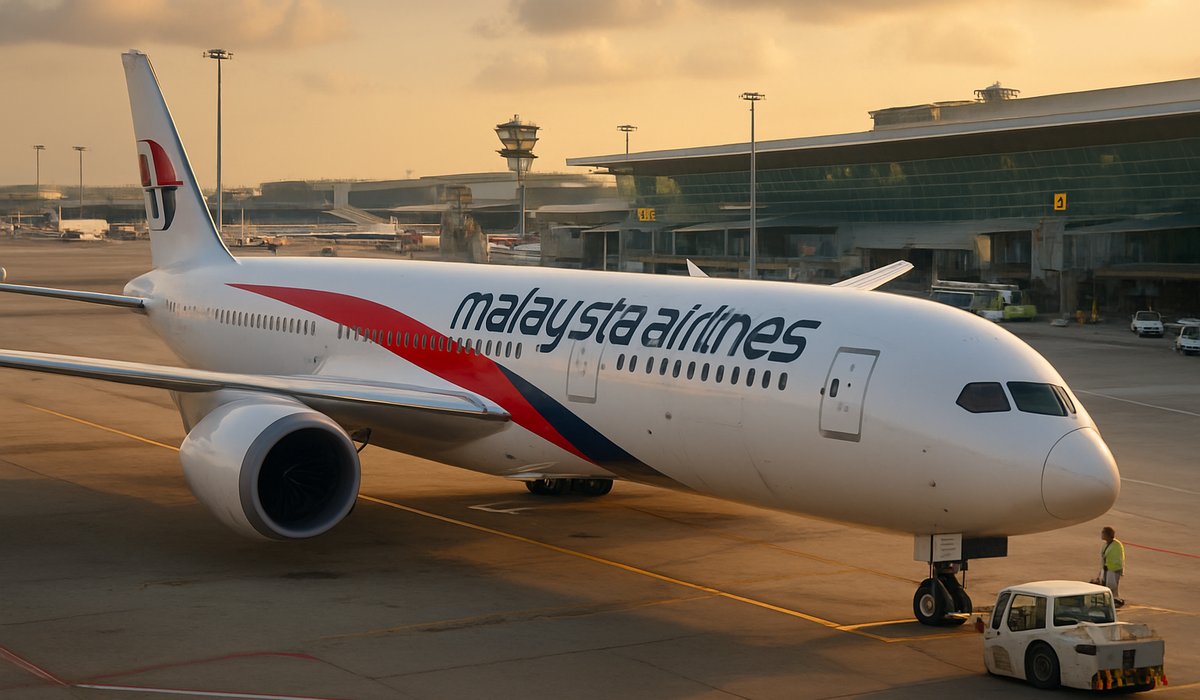
Image generated by AI
Malaysia Airlines has announced an ambitious 2026 expansion strategy that will reshape regional connectivity across East Asia. The carrier's bold initiative includes new route launches, increased flight frequencies, and a strategic return to Fukuoka, marking a significant milestone in the airline's recovery and growth trajectory. This expansion represents more than just operational growth—it signals Malaysia Airlines' commitment to strengthening ties between Southeast Asia and East Asia while capitalizing on rising tourism demand.
For travelers and tourism stakeholders, this development offers enhanced connectivity options, improved accessibility to key destinations, and competitive pricing opportunities. Whether you're a business traveler seeking efficient connections or a leisure tourist exploring East Asian destinations, Malaysia Airlines' expansion directly impacts your travel choices and itinerary planning. Understanding these changes helps you make informed decisions about regional travel and potentially discover new route combinations that weren't previously available.
Understanding Malaysia Airlines' Strategic Expansion Framework
Malaysia Airlines' 2026 expansion represents a carefully calculated response to post-pandemic market recovery and growing demand for intra-Asian travel. The airline's strategy focuses on three core pillars: capacity enhancement, route diversification, and market penetration in high-growth East Asian markets.
The expansion comes at a critical juncture for the airline industry. Regional travel demand has rebounded strongly, with East Asia experiencing some of the highest growth rates globally. Malaysia Airlines recognized this opportunity and positioned itself to capture market share by offering direct connectivity that previously required connections through hub cities.
Key Strategic Objectives
The airline's expansion addresses several market gaps. First, it reduces travel time for passengers by eliminating unnecessary layovers. Second, it increases frequency on existing routes, providing more scheduling flexibility for both business and leisure travelers. Third, it opens entirely new markets, allowing Malaysia Airlines to diversify revenue streams and reduce dependency on traditional routes.
This expansion also reflects broader industry trends. Airlines worldwide are investing in regional connectivity as international long-haul travel stabilizes. Malaysia Airlines' approach aligns with this pattern while leveraging its geographic advantage as a Southeast Asian carrier with strong connections to Malaysian hubs.
Market Demand Drivers
Several factors justify this aggressive expansion. Rising middle-class populations in East Asia are driving tourism growth. Business travel between Malaysia and East Asian markets continues expanding. Additionally, improved aircraft efficiency makes previously unprofitable routes economically viable.
The airline's confidence in this expansion suggests strong booking forecasts and positive revenue projections. Industry analysts view this move as a calculated bet on sustained regional growth, backed by market research and demand forecasting.
The Fukuoka Return: Reclaiming a Strategic Market
Malaysia Airlines' return to Fukuoka represents a particularly significant development in the 2026 expansion plan. Fukuoka, Japan's sixth-largest city and gateway to Kyushu region, offers substantial tourism and business travel potential that the airline previously underutilized.
Fukuoka serves as a crucial hub for accessing Japan's southwestern regions. The city attracts millions of international visitors annually, with strong demand from Southeast Asian tourists. Malaysia Airlines' return to this market addresses a clear gap in regional connectivity, particularly for Malaysian and Southeast Asian travelers seeking direct access to Kyushu.
Why Fukuoka Matters for Regional Connectivity
Fukuoka's strategic importance extends beyond tourism. The city hosts major manufacturing facilities, research institutions, and corporate headquarters that generate significant business travel demand. Malaysian companies with operations in Kyushu will benefit from direct connectivity, reducing travel time and improving operational efficiency.
The route also positions Malaysia Airlines competitively against regional carriers. Japanese carriers and other Asian airlines have dominated Fukuoka routes, but Malaysia Airlines' return introduces competitive pricing and alternative scheduling options.
Tourism Implications for the Region
The Fukuoka route directly benefits tourism in multiple ways. Malaysian tourists gain easier access to Kyushu's attractions, including hot springs, historical temples, and natural landscapes. Conversely, Japanese visitors find improved access to Malaysian destinations through Kuala Lumpur's hub connections.
This connectivity boost supports broader tourism development. Regional tourism boards can now market integrated packages combining Malaysian and Japanese experiences. Hotels, tour operators, and attractions in both markets benefit from increased visitor flows.
Operational Considerations
Establishing Fukuoka service requires aircraft allocation, crew training, and ground infrastructure development. Malaysia Airlines' investment in these areas demonstrates commitment to sustainable, long-term service. The airline likely deployed modern, fuel-efficient aircraft to maximize profitability on this route.
Scheduling considerations also matter. Malaysia Airlines probably coordinated Fukuoka flights with hub connections in Kuala Lumpur, enabling seamless transfers to other regional destinations. This integration maximizes the route's value for both point-to-point and connecting passengers.
New Routes and Increased Frequencies: Expanding the Network
Beyond Fukuoka, Malaysia Airlines' 2026 expansion includes multiple new route launches and frequency increases on existing services. These additions create a more comprehensive East Asian network that better serves regional travel patterns.
The airline's route selection reflects careful market analysis. New routes likely target underserved city pairs with demonstrated demand. Frequency increases on popular routes address capacity constraints that previously limited growth.
Strategic Route Additions
Malaysia Airlines' new routes probably include secondary cities in China, South Korea, and Taiwan that offer growth potential without direct competition from major carriers. These markets show strong tourism growth and business travel demand, particularly from Malaysian companies expanding operations in East Asia.
The airline may also introduce point-to-point services between East Asian cities, bypassing Kuala Lumpur entirely. This strategy captures connecting traffic that might otherwise use competitors' hubs. For example, a Fukuoka-Bangkok service could attract passengers from throughout the region.
Frequency Enhancements on Core Routes
Existing popular routes receive additional daily or weekly frequencies, addressing demand that previously went unmet. Routes to Tokyo, Seoul, Shanghai, and Hong Kong likely see the most significant frequency increases, reflecting their importance as business and leisure destinations.
Increased frequencies provide multiple benefits. Passengers enjoy more scheduling options and better connections. Airlines achieve improved load factors through optimized scheduling. Business travelers particularly value multiple daily options that accommodate flexible schedules.
Aircraft and Capacity Planning
Implementing this expansion requires significant aircraft deployment. Malaysia Airlines likely utilizes modern narrow-body jets like the Boeing 737 MAX or Airbus A320 family for regional routes. These aircraft offer excellent fuel efficiency, lower operating costs, and passenger comfort compared to older generation aircraft.
The airline may also deploy larger wide-body aircraft on select high-demand routes, providing premium cabin options and increased cargo capacity. This flexibility allows Malaysia Airlines to optimize capacity based on seasonal demand variations.
Competitive Positioning and Market Impact
Malaysia Airlines' 2026 expansion directly affects competitive dynamics in East Asian aviation. The airline's moves will likely prompt responses from competitors, potentially benefiting consumers through improved service and competitive pricing.
Competitive Advantages
Malaysia Airlines possesses several competitive advantages in this expansion. Geographic positioning as a Southeast Asian carrier provides natural advantages for connecting traffic. The airline's Kuala Lumpur hub offers excellent connectivity to Southeast Asian destinations that competitors cannot easily match.
Brand recognition and loyalty programs also matter. Malaysia Airlines' Enrich frequent flyer program provides competitive benefits that encourage repeat bookings. Partnerships with other carriers expand the airline's network reach beyond its own operations.
Market Response and Consolidation
Competitors will likely respond to Malaysia Airlines' expansion. Regional carriers may increase frequencies on overlapping routes or introduce new services to maintain market share. This competitive response benefits consumers through improved options and potentially lower fares.
The expansion also reflects broader industry consolidation trends. Successful regional carriers are expanding aggressively, while weaker competitors struggle. Malaysia Airlines' bold moves position it as a strong regional player capable of competing effectively against larger international carriers.
Tourism and Economic Benefits
Malaysia Airlines' expansion generates significant benefits beyond aviation. Tourism growth, economic development, and employment creation flow from improved connectivity.
Tourism Growth Projections
Improved connectivity directly drives tourism growth. Easier travel between Malaysia and East Asia encourages leisure travelers to explore both regions. Tourism boards project increased visitor arrivals in both Malaysian and East Asian destinations.
The expansion particularly benefits secondary destinations that previously required inconvenient connections. Tourists can now easily access smaller cities and regional attractions, spreading tourism benefits beyond major metropolitan areas.
Economic Development Impacts
Enhanced connectivity supports business expansion and investment. Companies find it easier to establish operations across multiple East Asian markets when direct flights reduce travel friction. This connectivity advantage attracts foreign direct investment to Malaysia and participating East Asian markets.
Employment creation extends throughout the tourism and aviation sectors. Hotels, restaurants, tour operators, and transportation services all benefit from increased visitor flows. Airport operations and airline employment also expand to support increased traffic.
Regional Integration Benefits
Improved connectivity strengthens regional economic integration. Easier travel facilitates business partnerships, cultural exchanges, and educational opportunities. These soft benefits contribute to long-term regional stability and prosperity.
Practical Implications for Travelers
Malaysia Airlines' 2026 expansion offers concrete benefits for travelers planning East Asian trips. Understanding these changes helps optimize your travel planning and potentially reduce costs.
Booking Strategies and Timing
Early booking remains advantageous, particularly for popular routes during peak seasons. New routes may offer introductory fares that represent excellent value. Monitor Malaysia Airlines' announcements for special promotions on expanded services.
Consider flexible travel dates to access lower fares on less popular flight times. Increased frequencies provide more scheduling options, allowing you to choose optimal departure times rather than accepting limited alternatives.
Loyalty Program Advantages
Malaysia Airlines' Enrich program members should maximize benefits on expanded routes. New routes often offer bonus miles promotions that accelerate loyalty program progress. Elite members enjoy priority access to new routes and premium cabin availability.
Itinerary Optimization
The expanded network enables more efficient itineraries. Rather than routing through traditional hubs, you can now access direct flights or better connections. This flexibility allows multi-city trips that previously required complex routing.
For example, a traveler could now fly Kuala Lumpur to Fukuoka directly, then connect to other East Asian cities, rather than routing through Tokyo or Shanghai. This flexibility reduces travel time and improves overall trip efficiency.
Future Outlook and Expansion Potential
Malaysia Airlines' 2026 expansion likely represents the first phase of longer-term growth plans. The airline's success on these new routes will inform future expansion decisions.
Potential for Further Growth
If 2026 expansion routes perform well, Malaysia Airlines may accelerate additional route launches in subsequent years. Particularly successful routes could see further frequency increases or aircraft upgrades to larger aircraft.
The airline might also expand into previously underserved markets based on lessons learned from 2026 operations. Success on Fukuoka could prompt expansion to other Japanese cities like Nagasaki or Kumamoto.
Technology and Service Enhancements
Expansion provides opportunities for service improvements. Malaysia Airlines may introduce enhanced in-flight entertainment, improved catering, and premium cabin products on expanded routes. Digital innovations could improve booking, check-in, and customer service experiences.
Sustainability Considerations
Modern aircraft deployed on expanded routes offer environmental benefits through improved fuel efficiency. Malaysia Airlines' expansion aligns with industry sustainability goals, reducing carbon emissions per passenger compared to older aircraft.
The airline may also pursue carbon offset programs and sustainable aviation fuel adoption, appealing to environmentally conscious travelers.
Malaysia Airlines' 2026 East Asia expansion represents a transformative moment for regional aviation and tourism. The strategic return to Fukuoka, combined with new routes and increased frequencies, creates unprecedented connectivity across the region. This expansion benefits travelers through improved options, reduced travel times, and enhanced accessibility to previously difficult-to-reach destinations.
For tourism stakeholders, the expansion opens significant opportunities. Increased visitor flows support hotel occupancy, restaurant revenue, and attraction attendance. Regional economies benefit from improved business connectivity and investment facilitation. The expansion demonstrates Malaysia Airlines' confidence in regional growth and commitment to strengthening East Asian ties.
Travelers should monitor Malaysia Airlines' announcements for specific route details, launch dates, and promotional fares. Early adopters of new routes often access introductory pricing and loyalty program bonuses. The expanded network enables more efficient itineraries and greater scheduling flexibility.
Looking forward, this
Disclaimer
This article is for informational and educational purposes only. It does not constitute legal, financial, or professional advice. While we strive to provide accurate and up-to-date information, travel policies, regulations, and conditions change rapidly. Always verify information with official sources before making travel decisions. Nomad Lawyer makes no representations about the accuracy, reliability, completeness, or suitability of the information provided. Readers should consult qualified professionals for advice specific to their circumstances. The views expressed in this article are those of the author and do not necessarily reflect the views of Nomad Lawyer.
Raushan Kumar
Founder & Lead Developer
Full-stack developer with 11+ years of experience and a passionate traveller. Raushan built Nomad Lawyer from the ground up with a vision to create the best travel and law experience on the web.
Learn more about our team →