
American and United Airlines Slash 2,700 May Flights at Atlanta's Hartsfield-Jackson, Signaling Broader Capacity Constraints
Breaking airline news and aviation industry updates for 2026.

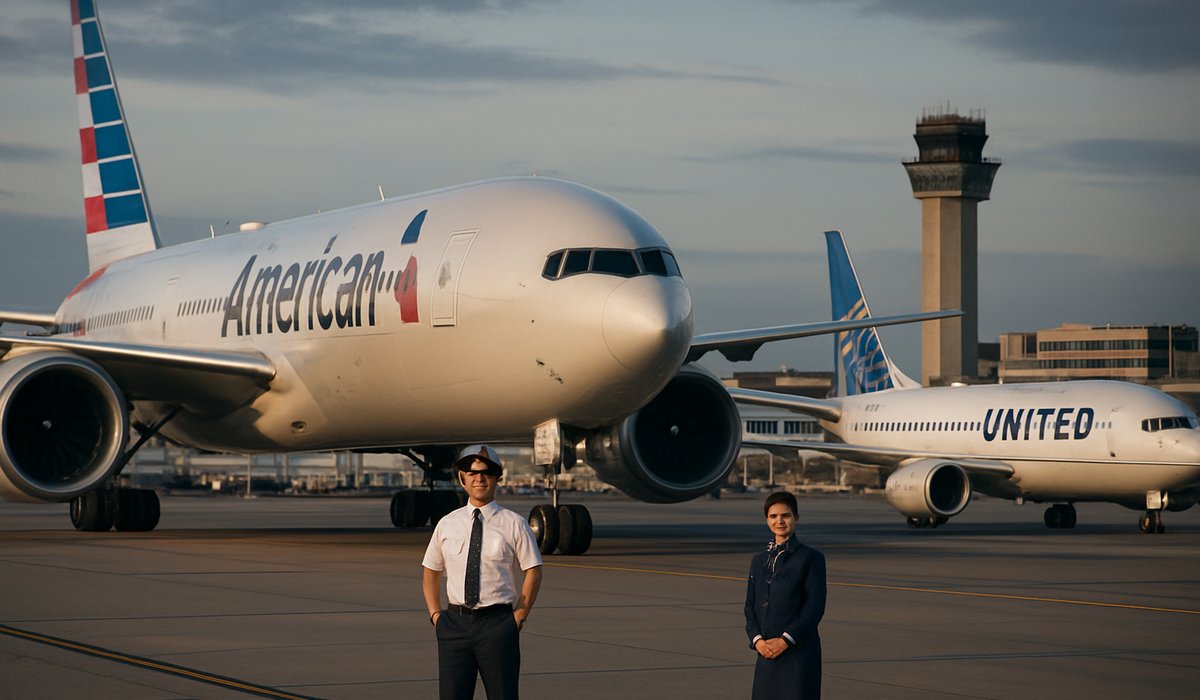
Image generated by AI
American and United Airlines Slash 2,700 May Flights at Atlanta's Hartsfield-Jackson, Signaling Broader Capacity Constraints
Two major US carriers reduce operations at world's busiest airport amid operational pressures and fleet challenges
Major Carriers Pull Back Operations at Busiest Hub
American Airlines and United Airlines are simultaneously reducing their May flight schedules at Hartsfield-Jackson Atlanta International Airport (ATL), eliminating approximately 2,700 combined departures during the peak spring travel month. The unprecedented coordinated pullback underscores mounting operational pressures facing America's legacy carriers as they navigate post-pandemic demand recovery, aircraft availability constraints, and staffing challenges across their networks.
The decision affects one of global aviation's most critical infrastructure nodes. Despite Atlanta's ranking as the world's leading airport by passenger volume, the facility has become increasingly congested, prompting major carriers to reassess their capacity commitments during traditionally high-demand periods.
Why Atlanta Matters—And Why Carriers Are Reducing There
Hartsfield-Jackson's dominance reflects its role as a primary hub for Delta Air Lines, but American and United maintain substantial operations there as well. The airport's significance extends beyond raw passenger numbers; it serves as a crucial connection point for regional traffic feeding into transcontinental and international services operated by all three carriers.
Notably, Chicago O'Hare International Airport (ORD) ranks highest globally when measured by aircraft movements rather than passengers—a distinction highlighting the expanding use of regional jets for feed traffic. These smaller aircraft funnel passengers from secondary markets toward major hubs, a model both American and United have expanded significantly in recent years.
Operational Reality Behind the Cuts
The flight reductions reflect genuine constraints in the operational environment. Airlines face converging headwinds: elevated jet fuel costs stemming from geopolitical tensions, pilot and crew availability limitations, and aircraft delivery delays from manufacturers. Additionally, ground infrastructure at major hubs remains stressed, limiting the number of simultaneous operations airports can safely accommodate.
For passengers, the implications are immediate and tangible. Reduced flight frequencies typically translate to higher fares, tighter connections, and fewer available seats during premium travel periods—a particular concern heading into summer vacation season when demand traditionally peaks.
Broader Industry Implications
These cuts signal that major US carriers may be approaching practical capacity limits at their busiest hubs, even as demand remains robust. Unlike previous downturns driven by demand destruction, today's constraints are supply-driven—reflecting physical and human resource limitations rather than weakening travel appetite.
Industry analysts suggest similar reductions could follow at other congested major hubs if operational pressures persist. The moves underscore an uncomfortable reality for the aviation sector: the current infrastructure, workforce, and aircraft availability may struggle to accommodate the volume passengers are willing and able to purchase.
FAQ
Q: Why are American and United cutting flights at Atlanta specifically? A: Hartsfield-Jackson airport operates at near-maximum capacity, making it increasingly difficult for carriers to add flights or maintain existing schedules during peak periods without operational disruptions.
Q: Will these cuts affect airline ticket prices? A: Yes. Fewer available seats typically drive prices higher during popular travel periods, making May travel more expensive for consumers.
Q: Is this trend expected to continue at other major airports? A: Potentially. If industry-wide constraints on crews, aircraft, and fuel costs persist, similar reductions could occur at other congested US hubs like Chicago O'Hare and Dallas-Fort Worth.
Q: How do regional jets factor into this situation? A: Regional aircraft feed passengers from smaller markets into major hubs, but constraints on pilot availability and fuel costs are affecting these operations too.
Q: When might airline capacity stabilize? A: Relief depends on aircraft deliveries accelerating, fuel prices stabilizing, and crew hiring keeping pace with demand—outcomes unlikely before 2024-2025.
Related Travel Guides
Flight Delay Compensation Guide 2026
Understanding Airline Route Changes
Airport Security Process Updated (2026)
External Resources
Disclaimer
This article is for informational and educational purposes only. It does not constitute legal, financial, or professional advice. While we strive to provide accurate and up-to-date information, travel policies, regulations, and conditions change rapidly. Always verify information with official sources before making travel decisions. Nomad Lawyer makes no representations about the accuracy, reliability, completeness, or suitability of the information provided. Readers should consult qualified professionals for advice specific to their circumstances. The views expressed in this article are those of the author and do not necessarily reflect the views of Nomad Lawyer.
Raushan Kumar
Founder & Lead Developer
Full-stack developer with 11+ years of experience and a passionate traveller. Raushan built Nomad Lawyer from the ground up with a vision to create the best travel and law experience on the web.
Learn more about our team →