
Major Airport Took Nearly a Decade to Open After Billions in Overruns
A European airport's catastrophic decade-long delay and multibillion-dollar cost overrun exposes systemic infrastructure failures. Airlines and passengers navigate operational chaos in 2026.

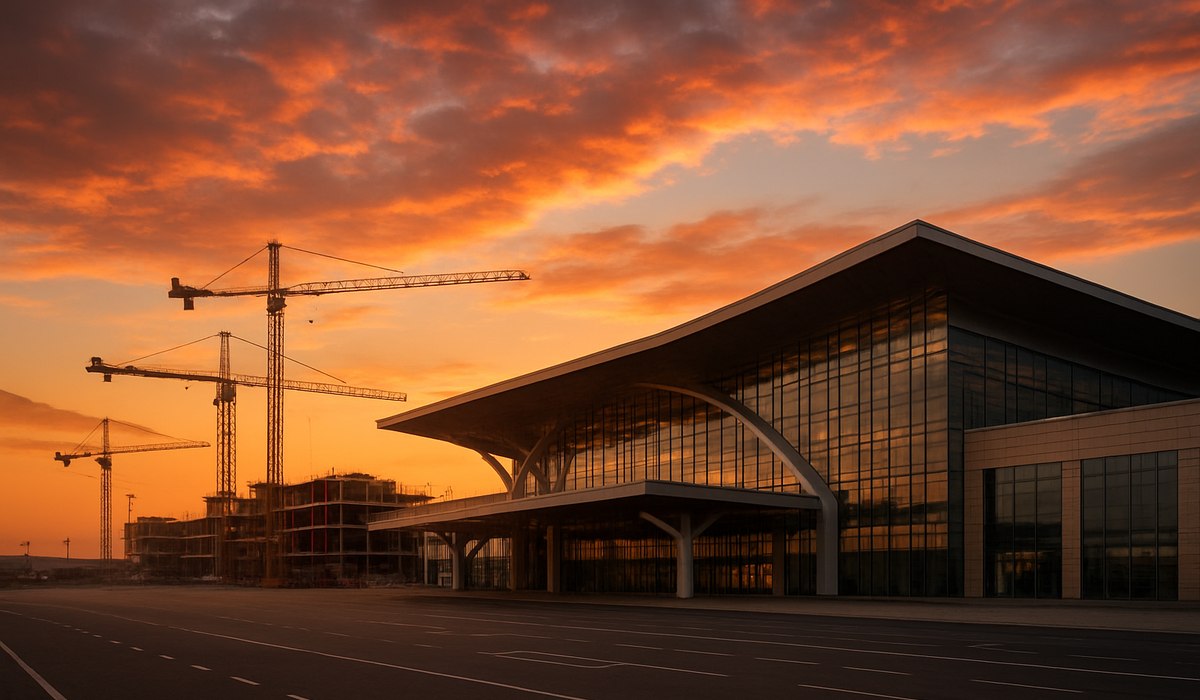
Image generated by AI
A European Airport's Historic Delays Finally End
A major European airport major airport took nearly a decade to open its doors, arriving roughly ten years behind schedule and billions of euros over its original budget. The facility's protracted development phase represents one of modern infrastructure's most notable planning failures, exposing deep cracks in project governance, cost estimation, and stakeholder coordination across the aviation sector.
The operational launch immediately triggered cascading effects throughout European airline networks, forcing carriers to reassign aircraft, recalibrate route schedules, and manage passenger expectations across hundreds of connected destinations. Regional economies anticipated this gateway for years; now stakeholders face both opportunity and operational turbulence as airlines gradually integrate new capacity into their hub strategies.
Timeline of Delays: How a Decade of Postponements Unfolded
The airport's journey from groundbreaking to operational licensing consumed roughly 120 months of construction, regulatory approval, and remedial work. Initial timelines projected opening in the mid-2010s, with cost estimates positioned at specific multibillion figures. However, successive planning revisions, environmental compliance challenges, labor disputes, and design modifications systematically extended deadlines.
Each postponement announcement triggered airline booking cancellations and passenger frustration. Regional governments absorbed mounting pressure as businesses dependent on connectivity experienced competitive disadvantages. The construction timeline expanded through multiple phases: foundation work delays, terminal system integration failures, air traffic control software incompatibilities, and final safety certification hurdles.
By 2024, nearly nine years had elapsed since the original projected opening. Final testing and regulatory inspections extended into 2026, creating uncertainty that rippled through airline planning departments and travel agencies managing advance bookings for connecting passengers.
The Budget Spiral: From Billions to Breaking Point
What began as a specific multibillion-euro commitment ballooned into costs that shocked even seasoned aviation infrastructure analysts. Material price escalations, labor cost inflation, and design changes accumulating across the extended timeline compounded financial exposure. Contingency budgets proved insufficient against compound delays and unforeseen technical obstacles.
Government agencies and private stakeholders absorbed massive financial pressures. Change orders multiplied as engineers identified incompatibilities during integration testing. Workforce continuity challenges meant rehiring specialists and retraining subcontractors across protracted phases, eliminating economies of scale typical in consolidated construction projects.
The financial hemorrhaging triggered political controversy and accountability questions. Audits later revealed inadequate risk assessment frameworks and optimistic scheduling assumptions that failed stress-testing. Airlines that had pre-committed to gate leases faced years of carrying unused facility costs while operating from congested alternative airports.
Root Causes: What Went Wrong with Airport Construction
Systemic project management failures emerged as the primary culprit behind the extended delays. Early planning underestimated complexity in coordinating multiple specialized contractors, regulatory bodies, and infrastructure integrations. Decision-making hierarchies created bottlenecks where technical issues required escalation through multiple approval layers.
Inadequate contingency planning meant that initial setbacks cascaded into cascading delays. Environmental assessments uncovered requirements not anticipated in preliminary phases. Air traffic control integration with neighboring airports required more extensive system alignment than initially specified. Safety certification processes, while essential, proceeded through lengthy documentation and verification cycles.
Stakeholder misalignment compounded difficulties. Municipal authorities, national aviation regulators, construction firms, and concessionaires maintained divergent priorities and timelines. Communication breakdowns between engineering teams and project management created rework cycles that consumed months of additional delay.
Impact on Passengers, Airlines, and Regional Economy
The delayed opening created passenger routing complexity across European networks. Airlines maintained service through alternative airports while holding gates at the new facility, reducing operational efficiency and increasing per-seat costs. Business travelers faced longer ground connections and reduced scheduling flexibility for tight itineraries.
Regional economies dependent on enhanced connectivity experienced reduced foreign investment and tourism growth during the extended waiting period. Companies evaluating new European locations selected cities with immediately available airport capacity. The delay represented a competitive disadvantage against rival metropolitan regions with established major airport infrastructure.
Airlines gradually repositioned aircraft and personnel as the facility began operations. Fleet optimization benefited from new runway capacity, allowing direct routing options previously requiring connections or alternative gateways. However, initial chaos as air traffic control systems stabilized and ground handling procedures were refined created operational friction throughout spring 2026.
Live Flight Tracking and Operational Reality
Travelers should monitor the airport's integration phase through FlightAware, which provides real-time delay data and cancellation tracking as airlines optimize new routes and ground operations stabilize. The facility's initial months typically show adjustment periods as air traffic control procedures, baggage handling systems, and passenger flows calibrate to actual operational demands.
Check FAA and US DOT resources for passenger rights information if disruptions affect your travel. European travelers should contact their national aviation authorities for region-specific consumer protections and compensation eligibility during this operational transition period.
Traveler Action Checklist
If your travel plans involve this airport, implement these protective measures:
-
Verify current routing – Contact your airline directly to confirm whether your booked flight operates through the new airport or an alternative gateway during the transition period.
-
Monitor flight status religiously – Check FlightAware at least 24 hours before departure, as operational adjustments may trigger schedule changes or delays while systems stabilize.
-
Allow extra connection time – If transferring through this airport, allocate minimum 90 minutes for domestic connections and 120 minutes for international transfers while ground operations normalize.
-
Document booking confirmations – Maintain screenshots of your original itinerary, as operational changes may alter gate assignments or aircraft deployment.
-
Know your compensation rights – European Union regulations entitle passengers to compensation for delays exceeding three hours, regardless of airport-related disruptions; verify your airline's claims process.
-
Book flexible tickets – Prioritize fares permitting free changes or cancellations for the next 60 days while the airport completes operational stabilization.
-
Register contact information – Ensure your airline maintains current phone numbers and email addresses for receiving notifications of schedule modifications or cancellations.
Key Data Points: Airport Opening Facts
| Metric | Details |
|---|---|
| Original Opening Target | Mid-2010s (approximately 2015) |
| Actual Opening Date | April 2026 |
| Total Delay Duration | Nearly a decade (approximately 10 years) |
| Cost Overrun Range | Billions of euros beyond original estimates |
| Terminal Investment | Multibillion-euro public and private financing |
| Expected Annual Capacity | Millions of passengers annually post-stabilization |
| Initial Airline Partners | 30+ carriers confirmed for 2026 operations |
What This Means for Travelers in 2026
The airport's opening creates both opportunities and challenges for European travelers in 2026. Positive developments include expanded flight options, shorter connections through new hub capacity, and competitive pricing as airlines deploy formerly underutilized aircraft to the new gateway. Business travelers gain scheduling flexibility as direct routes become available to previously underserved destinations.
However, expect operational friction during initial months as ground handling procedures, baggage systems, and air traffic control procedures stabilize. Delays may occur more frequently during peak travel periods while staff training continues. Passengers should maintain flexibility, monitor their specific flights obsessively, and allow extra time for connections.
The airport's successful integration into European networks likely requires 3–6 months of refinement. Summer 2026 peak travel season will test operational systems under maximum stress. Frequent flyers should monitor airline communications and consider alternative routing options if their primary choice involves this facility during May through August.
Frequently Asked Questions
Q: Will my existing booking be affected by the new airport opening?
A: Possibly. Contact your airline to confirm whether your flight operates through the new facility or an alternative airport. Some routes may be reassigned to accommodate network
Disclaimer
This article is for informational and educational purposes only. It does not constitute legal, financial, or professional advice. While we strive to provide accurate and up-to-date information, travel policies, regulations, and conditions change rapidly. Always verify information with official sources before making travel decisions. Nomad Lawyer makes no representations about the accuracy, reliability, completeness, or suitability of the information provided. Readers should consult qualified professionals for advice specific to their circumstances. The views expressed in this article are those of the author and do not necessarily reflect the views of Nomad Lawyer.
Kunal K Choudhary
Co-Founder & Contributor
A passionate traveller and tech enthusiast. Kunal contributes to the vision and growth of Nomad Lawyer, bringing fresh perspectives and driving the community forward.
Learn more about our team →