
Luxury Waldorf Astoria Leads Texas Hill Country Residential Hotel Boom
Waldorf Astoria, Aman, and Auberge are launching luxury branded residential developments across Texas Hill Country in 2026, reshaping how premium hotel groups finance expansion into emerging wealth markets.

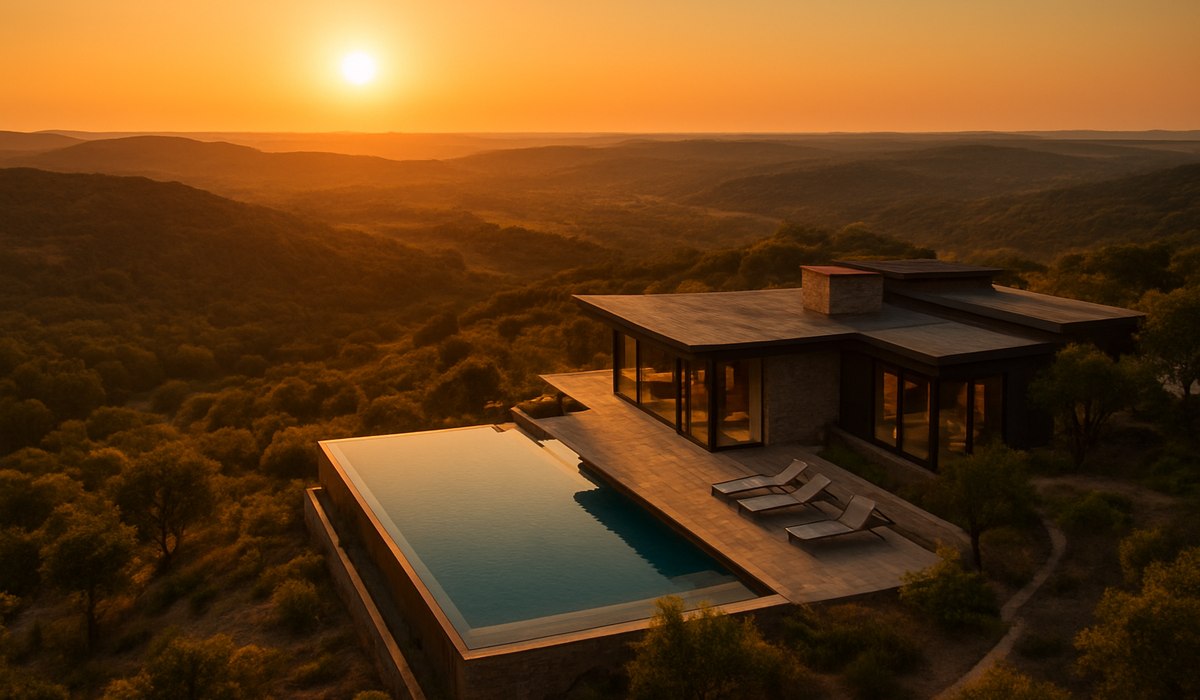
Image generated by AI
Luxury Waldorf Astoria Leads Premium Expansion into Texas Hill Country
Waldorf Astoria, Aman, and Auberge are simultaneously launching luxury branded residential projects across Texas Hill Country, marking a strategic pivot toward real estate-anchored hospitality development. These world-class luxury hotel brands have identified the region's accelerating wealth concentration as a prime opportunity for expansion. Rather than relying solely on traditional nightly rates, each brand is leveraging branded residential sales to finance ambitious hotel buildouts. This hybrid model combines luxury hospitality with high-end residential ownership, creating a financial engine that justifies major capital investments in emerging luxury markets.
The shift reflects broader industry trends where branded residences have become essential funding mechanisms for luxury hotel development. Texas Hill Country's proximity to Austin's tech boom and Dallas's financial corridor makes it an attractive destination for affluent buyers seeking weekend retreats and permanent residences with five-star amenities.
Luxury Groups Target Texas Hill Country Growth
The Hill Country has emerged as one of North America's fastest-growing luxury destinations, driven by migration patterns and wealth concentration among high-net-worth individuals. Unlike traditional resort markets, Texas Hill Country offers proximity to major metropolitan areas while maintaining exclusivity and natural beauty.
Waldorf Astoria's strategy involves creating private residential communities where owners enjoy hotel services, dining, and wellness facilities. The brand's reputation for impeccable service and European-inspired luxury directly appeals to Texas's affluent demographics seeking curated experiences.
Aman is pursuing a similar trajectory, emphasizing its ultra-luxury positioning and exclusive member-like communities. The brand's minimalist design philosophy and destination-spa culture resonate strongly with wellness-focused, high-income relocators.
Auberge Resorts Collection rounds out the competitive landscape with its French-inspired boutique approach, emphasizing intimate scale and personalized service that differentiates it from larger competitors.
These simultaneous launches underscore market confidence in Texas Hill Country's ability to support premium developments typically reserved for Aspen, Napa, or Miami. Learn more about Waldorf Astoria's brand heritage.
The Residential Real Estate Strategy Behind Hotel Development
Branded residential developments solve a fundamental financing challenge: hotels alone generate insufficient return-on-investment to justify development costs in emerging markets. By selling luxury residential units attached to hotel management, developers create immediate capital to construct and operate hospitality amenities.
Buyers of branded residences receive guaranteed hotel services, restaurant access, spa facilities, and professional management. They also benefit from potential property appreciation and rental income when their units are added to the hotel's inventory during low-occupancy periods.
This model creates a virtuous cycle. Residential sales fund construction; hotel operations enhance property values; and premium amenities attract both residents and transient guests. The luxury Waldorf Astoria model specifically emphasizes heritage and tradition, commanding residential price premiums that exceed standard luxury developments.
Financial modeling suggests branded residential sales can generate 40-60% of total project capitalization, with hotel operations supporting the remaining balance. This ratio makes previously unviable projects suddenly feasible, accelerating development timelines and reducing reliance on traditional hotel debt financing.
For luxury hotel groups, branded residences also create lock-in effects. Owner-residents become brand ambassadors, extend their stays, and spend substantially on ancillary services—dining, spa, events—compared to typical transient guests. This customer lifetime value justifies the operational complexity of managing mixed-use communities.
What Guests Get
Visitors to these new luxury Waldorf Astoria, Aman, and Auberge properties in Texas Hill Country access world-class amenities designed primarily for residential owners but available to hotel guests.
Fine Dining & Beverage: Each property features multiple Michelin-trained chefs operating distinct restaurants reflecting global culinary traditions. Wine cellars house curated collections spanning European and California producers.
Wellness & Spa: Full-service spas employ internationally certified therapists specializing in treatments using exclusive product lines. Fitness facilities include specialized training studios, indoor-outdoor pools, and holistic wellness programming.
Concierge & Personalization: Dedicated concierge teams provide bespoke experiences—vineyard tours, helicopter charters, private chef services—with 24-hour availability and institutional memory across properties.
Recreational Activities: Properties feature championship golf courses, equestrian centers, hiking trails, and adventure programming. Many developments include seasonal activities leveraging Hill Country's natural environment.
Technology Integration: Room systems offer smart climate control, personalized lighting, entertainment access, and direct chef communication. Properties invest heavily in cybersecurity protecting high-net-worth guests.
Events & Conferences: Designed meeting spaces accommodate intimate dinners through major corporate retreats with full A/V support and dedicated event management.
Learn more about luxury amenities at Booking.com's luxury filter.
What This Means for Luxury Travel in Texas
The convergence of Waldorf Astoria, Aman, and Auberge developments fundamentally reshapes Texas's position within global luxury travel hierarchies.
1. Elevated Destination Perception: These properties establish Texas Hill Country as a legitimate competitor to established luxury destinations, attracting international visitors previously overlooking the region.
2. Increased Amenity Competition: Multiple luxury brands in close proximity accelerate amenity innovation and service excellence, benefiting all guests regardless of brand choice.
3. Employment & Economic Impact: Development and operational phases create high-wage employment for hospitality professionals, chefs, spa technicians, and management personnel—strengthening Texas's skilled workforce.
4. Infrastructure Investment: Hotels and residences trigger improvements in transportation, telecommunications, and municipal services benefiting broader communities.
5. Wine & Culinary Destination Status: Premium properties position Texas Hill Country as a gastronomic destination rivaling California wine regions, attracting food-focused travelers.
6. Extended Visitor Duration: Luxury amenities encourage multi-day stays, increasing per-visit spending and seasonal occupancy across surrounding hospitality sectors.
The luxury Waldorf Astoria model specifically signals confidence in Texas's ability to support European-standard hospitality, a symbolic shift in market perception.
Market Competition and Investment Outlook
Industry analysts project continued branded residential development throughout North America as luxury hotel groups adopt this financing model. Competition intensifies where multiple luxury brands target identical demographics—precisely Texas Hill Country's current situation.
Pricing differentials will likely emerge, with Waldorf Astoria emphasizing heritage prestige, Aman focusing on wellness and minimalism, and Auberge leveraging boutique intimacy. These positioning differences justify premium price variations despite geographic proximity.
Investment returns depend on sustained high-net-worth migration into Texas and discretionary spending on luxury hospitality. Economic headwinds could compress occupancy rates and residential demand. Conversely, continued tech sector expansion and financial services growth provide tailwinds supporting long-term viability.
Secondary market impacts include increased competition for hospitality labor, potential service-quality challenges during rapid ramp-up phases, and environmental considerations surrounding large-scale development in ecologically sensitive regions.
Market observers anticipate additional announcements from competing brands as they respond to market positioning. The race to establish first-mover advantages in Texas Hill Country's luxury segment will likely accelerate through 2027.
Key Data Points
| Metric | Details |
|---|---|
| Primary Market Driver | High-net-worth migration from coastal metros; Austin/Dallas proximity |
| Typical Residential Unit Price | $2M–$8M+ depending on size and location within property |
| Hotel Room Rates | $800–$2,500+ nightly; residential-integrated hotels command 20-40% premiums |
| Typical Resort Size | 100–250 hotel rooms; 50–150 residential units |
Disclaimer
This article is for informational and educational purposes only. It does not constitute legal, financial, or professional advice. While we strive to provide accurate and up-to-date information, travel policies, regulations, and conditions change rapidly. Always verify information with official sources before making travel decisions. Nomad Lawyer makes no representations about the accuracy, reliability, completeness, or suitability of the information provided. Readers should consult qualified professionals for advice specific to their circumstances. The views expressed in this article are those of the author and do not necessarily reflect the views of Nomad Lawyer.
Kunal K Choudhary
Co-Founder & Contributor
A passionate traveller and tech enthusiast. Kunal contributes to the vision and growth of Nomad Lawyer, bringing fresh perspectives and driving the community forward.
Learn more about our team →