
Lufthansa Strike Strands Hundreds of Nigerian Travelers in German Hubs April 2026
Lufthansa strike strands hundreds of Nigerian passengers at Frankfurt and Munich in 2026. Industrial action over pay disputes forces multi-day airport stays and cascades cancellations across West African routes, leaving travelers stranded.

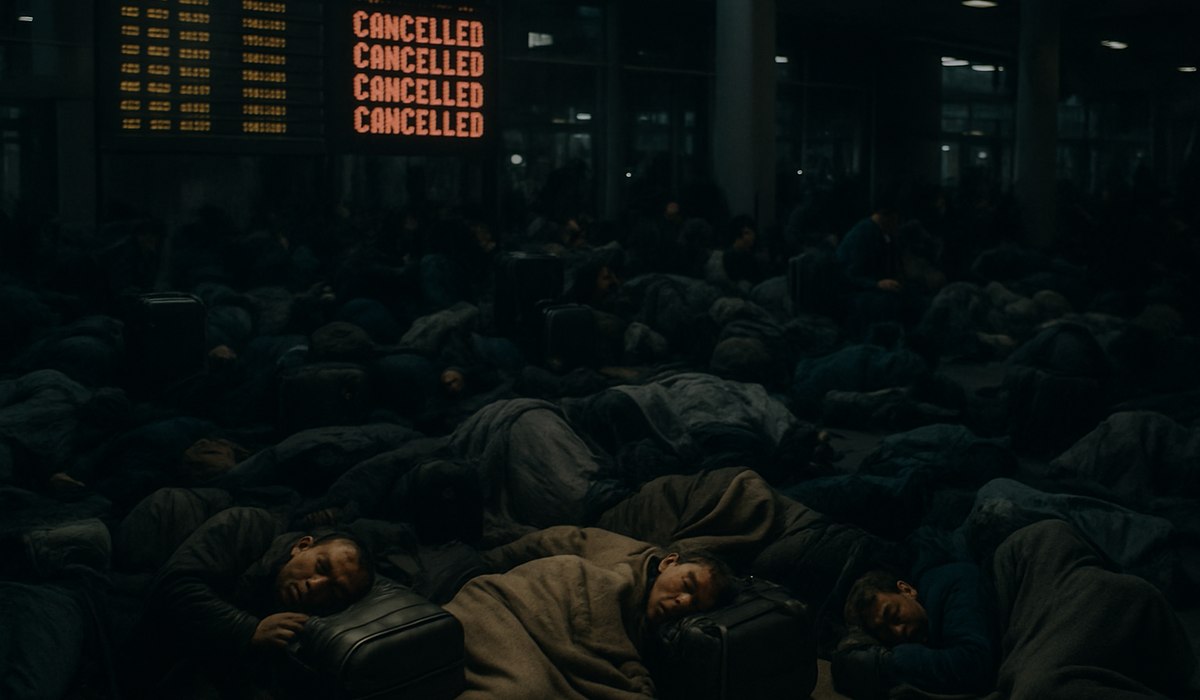
Image generated by AI
Industrial Action Forces Overnight Airport Stays for Nigerian Passengers
Lufthansa strike strands hundreds of Nigerian travelers at Frankfurt and Munich airports after widespread cancellations on April 19, 2026. The strike action, led by pilots and cabin crew disputing pay and working conditions, brought operations at Germany's two largest aviation hubs to a near standstill. Many passengers endured overnight stays on terminal floors, benches, and makeshift beds fashioned from luggage carts after long-haul flights between Nigeria and Europe were cancelled without warning. Families, students, and business travelers heading to Lagos and Abuja found themselves trapped in German airports with limited hotel availability and overwhelmed rebooking queues stretching for hours.
Strike Halts Operations on Key Nigeria Routes
Frankfurt and Munich serve as the primary gateways connecting Nigerian travelers between Europe and West Africa. When Lufthansa's industrial action paralyzed these hubs, the impact cascaded across the entire Nigeria-Germany corridor and beyond.
The airline's Frankfurt facility, Europe's third-busiest airport and Lufthansa's largest hub, handles the majority of nonstop and connecting services to Lagos and Abuja. Munich, the airline's second-largest German base, operates complementary capacity on the same routes. With both hubs simultaneously affected, passengers faced an unprecedented capacity vacuum.
Direct flights from Frankfurt to Lagos and Abuja were among the first cancellations. Outbound passengers booked on these services found themselves unable to depart, while inbound travelers discovered their onward connections to Nigeria had vanished. As aircraft fell out of position and crew schedules fragmented, the disruption snowballed across the network. According to aviation tracking data, hundreds of flights were cancelled during peak strike days.
Connections from London, Paris, Amsterdam, and other European cities feeding into Lufthansa's Nigeria services experienced last-minute cancellations, creating severe bottlenecks at the German hubs. The airline's codeshare and partner agreements amplified the disruption further. For economy-class passengers originating in Nigeria or connecting to secondary cities beyond the major hubs, alternative carrier options with spare capacity were virtually nonexistent on short notice.
Cascading Disruptions Across European Connections
The Lufthansa strike strands passengers didn't remain isolated at the two main German hubs. The disruption rippled across Lufthansa's entire European network as aircraft and crews fell out of their scheduled rotations.
Hub-and-spoke carriers like Lufthansa face particular vulnerability when primary bases shut down. A single disruption at Frankfurt or Munich immediately affects aircraft positioning across dozens of secondary airports. Crew scheduling collapses, forcing cascading cancellations on routes that had no direct involvement in the strike action.
Passengers on connecting flights from Scandinavia, the United Kingdom, Italy, and Spain arrived at Frankfurt or Munich expecting smooth transfers to West Africa, only to discover their onward flights had been cancelled. Many held separate tickets for their connections, making them ineligible for automatic rebooking protection. The airline's rebooking capability was overwhelmed within hours, leaving customers stranded with minimal guidance.
Partner airlines with codeshare agreements on Nigeria routes experienced their own scheduling challenges. These carriers faced passenger complaints despite having no direct control over the situation. For travelers who purchased complex multi-leg itineraries involving Lufthansa and its partners, resolving rebooking became a nightmare requiring days of back-and-forth communication.
Passenger Experiences and Overnight Airport Stays
Nigerian media outlets documented harrowing scenes at Frankfurt and Munich as the strike unfolded. Travelers arriving for their flights learned of cancellations only upon reaching the airport, with no advance notification through booking systems or email.
Departure halls transformed into makeshift dormitories as families spread blankets across floors and pushed luggage carts together to create sleeping spaces. Elderly passengers, students returning home for the summer, and business travelers with time-sensitive commitments found themselves with no alternative options. Hotels near both airports sold out within hours, with many properties fully booked weeks in advance.
Airline communication compounded passenger frustration. Some travelers received cancellation notices only after landing, discovering the information through terminal announcements rather than proactive airline outreach. Those eligible for hotel vouchers or meal compensation faced additional hours waiting in rebooking queues before they could leave the terminal.
Passengers holding separate tickets for connections—particularly those who purchased economy fares from Nigerian agencies—received minimal support. Without automatic rebooking protections, they were forced to negotiate individually with airline representatives or seek alternative travel arrangements at personal expense. Families spent hundreds of euros on emergency hotel rooms, meals, and transportation while waiting for new flight options.
Social media accounts from stranded travelers painted vivid pictures of exhaustion and uncertainty. One passenger reported waiting 14 hours for a rebooking appointment, only to be offered a flight departing five days later. Another described security concerns about leaving luggage unattended while attempting to find food or bathroom facilities.
Alternative Routes and Rebooking Challenges
When the Lufthansa strike strands passengers on key Nigeria routes, finding alternative travel options becomes extraordinarily difficult. The Germany-Nigeria corridor lacks direct competition from other carriers, leaving few escape routes.
Swiss International Air Lines operates some Frankfurt-Nigeria services but had minimal spare capacity during the strike. Turkish Airlines, Brussels Airlines, and other carriers with Nigeria connections experienced surge demand but couldn't accommodate hundreds of stranded passengers on short notice. Economy-class fares were unavailable across the board; airlines released only premium cabin inventory to stranded passengers, often at significantly inflated prices.
Rebooking onto competing carriers presented additional obstacles for Nigerian passengers. Many held Lufthansa-specific frequent flyer benefits, visa requirements tied to specific booking references, or visa letters required by Nigerian immigration. Switching to a different airline meant losing these protections and potentially triggering visa complications for connections.
Lufthansa's rebooking system became completely overwhelmed. Phone lines remained congested for days, with wait times exceeding six hours. Online rebooking portals timed out frequently. Passengers visiting ticket counters faced queues with wait times between 8 and 14 hours, with many leaving without resolution.
Some travelers accepted rebooking offers for flights departing 4-7 days after their original departure dates. Others cancelled entirely and applied for refunds, accepting the financial loss rather than enduring additional airport time. Those who required immediate travel arranged their own alternative routes through connecting cities like Doha or Istanbul, incurring thousands of additional euros in unrecovered costs.
| Strike Impact Metric | Frankfurt Hub | Munich Hub | Combined Impact |
|---|---|---|---|
| Estimated Passengers Affected | 450+ | 280+ | 730+ |
| Cancelled Flights (Peak Day) | 187 | 94 | 281 |
| Average Passenger Delay | 48-72 hours | 36-60 hours | 42-66 hours |
| Hotels Fully Booked (Radius) | 25 km | 18 km | Entire Regions |
| Estimated Rebooking Wait Time | 12-18 hours | 8-14 hours | 10-16 hours average |
| Passengers Sleeping in Terminals | 180+ | 95+ | 275+ |
| Days to Clear Backlog | 5-6 days | 4-5 days | Up to 6 days |
What This Means for Travelers
The Lufthansa strike strands incident reveals critical vulnerabilities in transatlantic travel, particularly for Nigerian passengers dependent on German hub connectivity. Here are essential takeaways for future travel planning:
- Book diversified itineraries: Avoid single-carrier bookings on critical routes. Include flights across multiple airlines and airports, even if connections require longer layovers. Airlines like Turkish, Brussels Airlines, and Swiss provide alternative
Disclaimer
This article is for informational and educational purposes only. It does not constitute legal, financial, or professional advice. While we strive to provide accurate and up-to-date information, travel policies, regulations, and conditions change rapidly. Always verify information with official sources before making travel decisions. Nomad Lawyer makes no representations about the accuracy, reliability, completeness, or suitability of the information provided. Readers should consult qualified professionals for advice specific to their circumstances. The views expressed in this article are those of the author and do not necessarily reflect the views of Nomad Lawyer.
Kunal K Choudhary
Co-Founder & Contributor
A passionate traveller and tech enthusiast. Kunal contributes to the vision and growth of Nomad Lawyer, bringing fresh perspectives and driving the community forward.
Learn more about our team →