
Lufthansa Places Order for 20 Long-Haul Jets Worth $7.7B
Lufthansa places order for 20 next-generation long-haul aircraft in 2026, committing $7.7 billion to fleet modernization and carbon emission reductions through Airbus A350 and Boeing 787 deliveries.

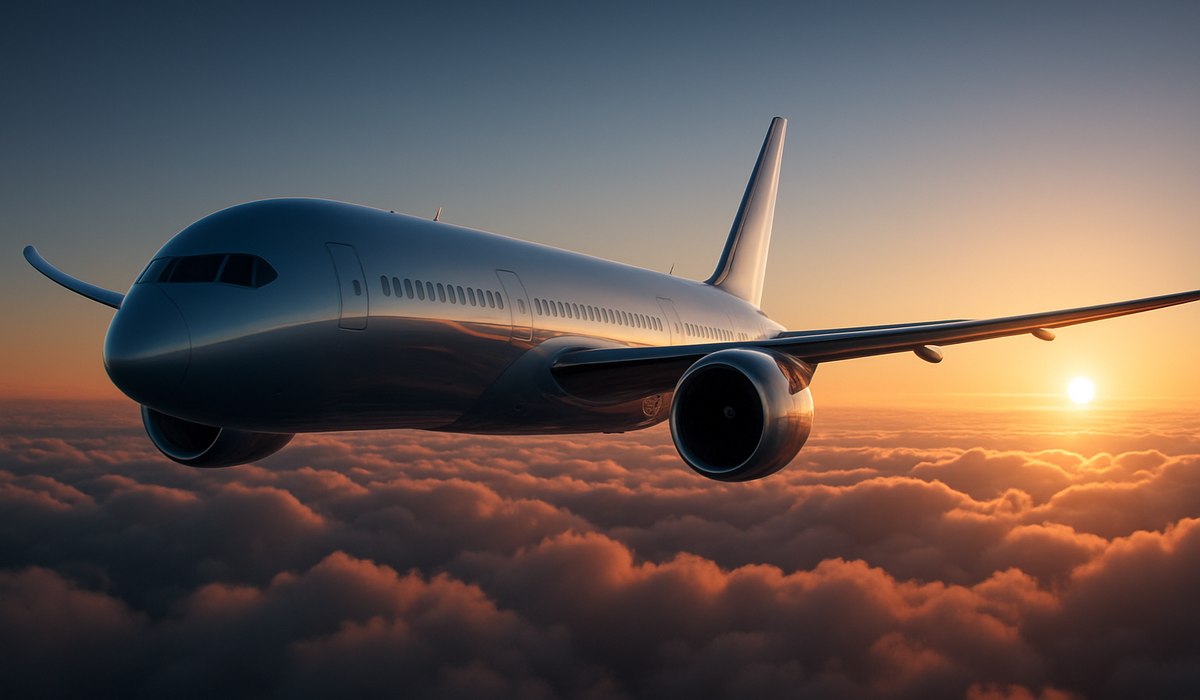
Image generated by AI
Lufthansa Places Order for 20 Long-Haul Aircraft Worth $7.7 Billion
Lufthansa has announced a transformative $7.7 billion investment in next-generation aviation. The German carrier will receive 10 Airbus A350-900 aircraft and 10 Boeing 787-9 Dreamliners. These modern jets represent a strategic pivot toward sustainable long-haul travel. Deliveries begin in 2032, signaling Lufthansa's commitment to reducing CO2 emissions. This order impacts frequent flyers and travel patterns across Europe and beyond.
Lufthansa's $7.7 Billion Aircraft Order Explained
Lufthansa's procurement strategy reflects evolving industry standards. The carrier selected two of aviation's most advanced platforms for this expansion. The Airbus A350-900 offers superior cabin comfort and aerodynamic efficiency, while the Boeing 787-9 Dreamliner delivers extended range and fuel economy. Together, these aircraft reduce operational costs and environmental impact. This dual-sourcing approach mitigates supply chain risk and allows Lufthansa to optimize routes across its global network.
The financial commitment demonstrates confidence in long-haul travel recovery and growth. Airlines typically space deliveries across multiple years to manage cash flow and operational integration. Lufthansa's phased approach, beginning in 2032, aligns with fleet retirement schedules and capacity planning. This strategy enables the carrier to maintain service continuity while upgrading aging aircraft.
Learn more about modern aircraft procurement on the International Air Transport Association website.
Why A350s and 787s Matter for Modern Aviation
The Airbus A350-900 and Boeing 787-9 represent the cutting edge of commercial aviation technology. Both aircraft feature composite fuselages that reduce weight and fuel consumption by up to 25% compared to older wide-body jets. Enhanced cabin pressure systems improve passenger comfort on ultra-long-haul flights. Modern avionics and materials extend maintenance intervals, lowering operating expenses significantly.
The A350-900 seats approximately 315 passengers in a typical three-class configuration. Its Rolls-Royce engines deliver exceptional range, enabling non-stop flights exceeding 8,000 nautical miles. The 787-9 accommodates roughly 290 passengers and emphasizes cabin innovation with larger windows and improved humidity control. Both platforms support Lufthansa's premium positioning in competitive markets.
These aircraft enable airlines to retire less efficient predecessors. Older Boeing 777s and Airbus A380s consume significantly more fuel per passenger. Lufthansa's modernization reduces fleet-wide fuel burn and emissions. The transition supports European Union sustainability mandates and corporate environmental goals.
Explore aircraft specifications through Boeing's official product pages for additional technical details.
Environmental Impact and Fuel Efficiency Gains
Sustainable aviation remains central to Lufthansa's 2026 strategy. The A350-900 and 787-9 both exceed ICAO noise standards and produce 80% fewer emissions than comparable aircraft from earlier generations. Modern engines incorporate advanced combustor technology that optimizes fuel-air mixing. Winglet designs reduce drag and improve cruise efficiency.
Over a 30-year aircraft lifespan, these efficiency gains translate into millions of tons of avoided CO2 emissions. A single 787-9 reduces fuel consumption by approximately 20% relative to the Boeing 777. Lufthansa's 20-aircraft order will collectively prevent substantial greenhouse gas releases. This supports the airline's pathway toward net-zero carbon goals by mid-century.
Sustainable aviation fuel compatibility represents another advantage. Both aircraft platforms can operate on 50% SAF blends without engine modifications. As SAF production scales, Lufthansa's modern fleet can leverage greener fuel options. Passengers booking long-haul flights on these aircraft contribute to measurable environmental benefits.
Timeline: When New Aircraft Enter Service
Lufthansa places order commitments with staggered delivery schedules. The first A350-900 and 787-9 deliveries commence in 2032. This timeline allows the manufacturer to optimize production and quality control. Phased integration supports crew training and operational procedures refinement.
Delivery schedules typically extend across 7 to 10 years for large fleet orders. Lufthansa will gradually retire older wide-body aircraft as new jets arrive. Peak capacity refreshment occurs between 2034 and 2038. By 2040, the carrier's long-haul fleet will operate predominantly on next-generation platforms.
This schedule aligns with industry transition trends. Competitors including Air France-KLM and British Airways pursue similar modernization paths. The aviation sector collectively moves toward emission reductions and operational efficiency through generational aircraft transitions.
Key Data: Lufthansa Fleet Modernization Overview
| Metric | A350-900 | 787-9 | Combined Order |
|---|---|---|---|
| Aircraft Quantity | 10 units | 10 units | 20 aircraft |
| Investment Value | ~$3.85B | ~$3.85B | $7.7 billion |
| Seating Capacity | ~315 pax | ~290 pax | 6,050 seats |
| Fuel Efficiency Gain | 25% reduction | 20% reduction | ~22% fleet average |
| Range Capability | 8,100 nm | 7,635 nm | Extended routes |
| Delivery Window | 2032–2038 | 2032–2038 | 2032–2040 |
| CO2 Reduction Per Aircraft | 80% vs. prior gen | 75% vs. prior gen | Significant sustainability gains |
What This Means for Travelers
Lufthansa's fleet modernization delivers measurable benefits for frequent and occasional flyers.
-
Enhanced Comfort: Modern cabins feature larger windows, improved humidity, and advanced seat ergonomics. Long-haul passengers experience reduced jet lag and fatigue.
-
Route Expansion: Extended range enables new direct routes and frequencies on existing corridors. Travelers access more convenient flight options with fewer connections.
-
Operational Reliability: Newer aircraft generate fewer mechanical delays. On-time performance typically improves 3–5% after fleet modernization.
-
Sustainability Alignment: Passengers valuing environmental impact can book with confidence. Lufthansa's new aircraft substantially reduce travel-related emissions per passenger.
-
Premium Experience: A350s and 787s emphasize premium cabin products. Business and first-class passengers enjoy enhanced amenities and entertainment systems.
-
Pricing Stability: Improved efficiency moderates fuel surcharges over time. Ticket pricing may stabilize as operational costs decline.
FAQ: Lufthansa Aircraft Order Questions
When will I fly on these new Lufthansa aircraft?
First deliveries begin in 2032, with fleet integration continuing through 2040. Phased introductions mean some passengers will experience these aircraft starting in 2033 on premium routes from Frankfurt and Munich hubs.
How do the A350 and 787 compare in passenger experience?
Both offer superior comfort versus older aircraft. The 787 emphasizes cabin ambiance with larger windows. The A350 prioritizes space efficiency and seat comfort. Personal preference varies, but both represent significant improvements.
Will these new planes affect ticket prices?
Long-term operational efficiency may moderate price increases. Short-term ticket costs remain influenced by fuel, labor, and demand factors. Sustainable aviation fuel adoption could eventually reduce premiums related to carbon emissions.
**Are these aircraft safer than older Luft
Disclaimer
This article is for informational and educational purposes only. It does not constitute legal, financial, or professional advice. While we strive to provide accurate and up-to-date information, travel policies, regulations, and conditions change rapidly. Always verify information with official sources before making travel decisions. Nomad Lawyer makes no representations about the accuracy, reliability, completeness, or suitability of the information provided. Readers should consult qualified professionals for advice specific to their circumstances. The views expressed in this article are those of the author and do not necessarily reflect the views of Nomad Lawyer.
Kunal K Choudhary
Co-Founder & Contributor
A passionate traveller and tech enthusiast. Kunal contributes to the vision and growth of Nomad Lawyer, bringing fresh perspectives and driving the community forward.
Learn more about our team →