
Lufthansa Group to Deploy Starlink WiFi Across 850 Aircraft in Germany, Belgium, and Switzerland 2026
Lufthansa Group is revolutionizing European aviation by integrating Starlink satellite WiFi across 850 aircraft, including Brussels Airlines and SWISS, to eliminate inflight connectivity gaps.

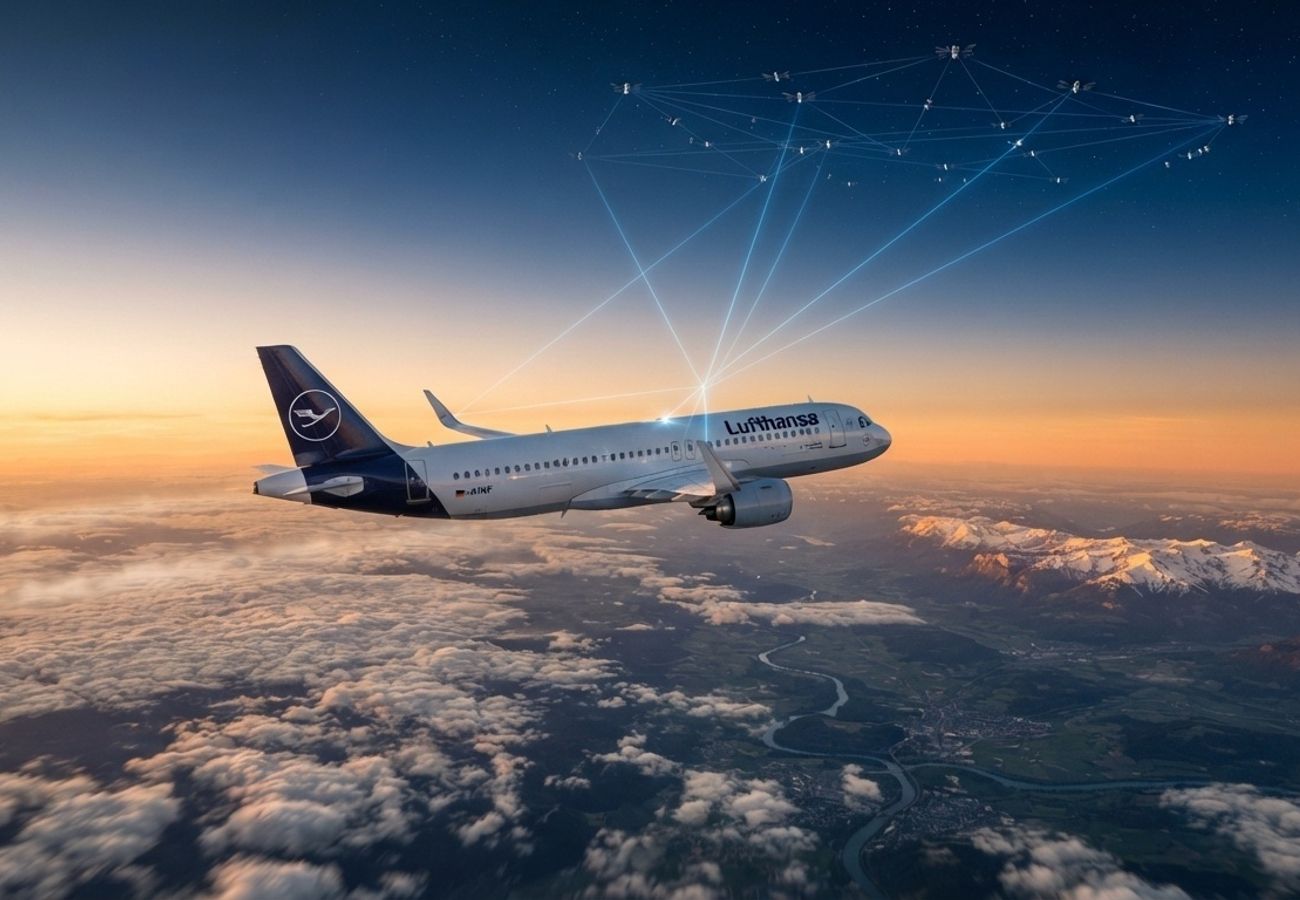
Image generated by AI
Lufthansa Group is spearheading a massive digital overhaul of European airspace, committing to install Starlink satellite WiFi across 850 aircraft. This rollout marks a definitive shift from legacy air-to-ground systems to low-latency broadband, fundamentally changing the passenger experience across Germany, Belgium, and Switzerland.
The aviation industry is witnessing a pivot toward Low Earth Orbit (LEO) satellite networks to meet the soaring demand for "ground-like" connectivity at 35,000 feet. Leading this transition is the Lufthansa Group, which has confirmed a large-scale deployment starting with the Airbus A320neo. The initiative encompasses a vast fleet operated by Lufthansa, SWISS, Austrian Airlines, Brussels Airlines, and Edelweiss.
This move is not merely a luxury upgrade but a strategic necessity. As global tourist demand increases, dependable onboard connectivity has become a primary metric for airline competitiveness, directly impacting passenger satisfaction and loyalty.
Global Adoption and Fleet Specifications
While Germany leads the European charge, the adoption of Starlink-powered Airbus WiFi is a global phenomenon. Carriers in Qatar, the United States, and New Zealand are similarly integrating these systems to secure their positions as premium gateways.
The following table outlines the specific regional impact and fleet focus of the Starlink integration:
| Region/Airline | Primary Fleet Focus | Strategic Objective | Market Impact |
|---|---|---|---|
| Lufthansa Group | Airbus A320neo / Various | 850-Aircraft Rollout | Dominance in EU short/medium-haul |
| Brussels Airlines | Airbus Narrowbody | Digital Hub Integration | Enhanced connectivity for EU diplomats/business |
| SWISS / Edelweiss | Leisure & Business Fleet | High-Speed Leisure Access | Improved pre-destination journey planning |
| Qatar Airways | Airbus Widebody | Premium Transit Experience | Strengthening Asia-Europe-Americas hub |
| US Carriers | Airbus Mixed Fleet | Domestic Market Satisfaction | High-volume data usage for remote work |
| New Zealand | Mixed Fleet | Remote Connectivity | Overcoming geographical isolation |
Traveler Logistics Guide: Navigating the New Inflight Era
From a ground-level perspective, the transition to Starlink WiFi changes how travelers should manage their digital workflows and connection expectations.
Optimizing Your Connection To maximize the benefits of LEO satellite internet, passengers should ensure their devices are compatible with modern WPA3 security protocols, as these high-speed networks often utilize updated encryption. When booking flights across the Lufthansa Group network, check the specific aircraft type; the A320neo is the primary vehicle for this rollout.
Digital Transit Policies For those traveling through Belgium or Germany, the integration of high-speed WiFi allows for real-time utilization of digital transit tools. Travelers can now update their Digi Yatra or ETIAS documentation and manage ground transport bookings via apps without waiting to land.
Connection Strategy If you are a business traveler relying on video conferencing, prioritize flights operated by the Starlink-equipped fleet. Unlike traditional satellite WiFi, which suffers from high latency (lag), Starlink supports real-time communication, making "office in the air" a viable reality.
Infrastructure Impact Assessment
The deployment of Starlink across 850 aircraft represents a significant shift in regional connectivity. By reducing the "digital blackout" period of flight, Lufthansa Group is effectively extending the productivity of the European business corridor.
For the tourism sector, this means the passenger journey no longer begins at the destination. Travelers can now manage hotel check-ins, adjust tour itineraries in real-time, and share live content, which accelerates the digital tourism ecosystem. The move puts immense pressure on legacy carriers still relying on aging air-to-ground infrastructure, potentially triggering a wider industry-wide hardware refresh across all European hubs.
The sky is no longer a barrier to the boardroom or the social feed.
Related Travel Guides
Disclaimer
This article is for informational and educational purposes only. It does not constitute legal, financial, or professional advice. While we strive to provide accurate and up-to-date information, travel policies, regulations, and conditions change rapidly. Always verify information with official sources before making travel decisions. Nomad Lawyer makes no representations about the accuracy, reliability, completeness, or suitability of the information provided. Readers should consult qualified professionals for advice specific to their circumstances. The views expressed in this article are those of the author and do not necessarily reflect the views of Nomad Lawyer.
Kunal K Choudhary
Co-Founder & Contributor
A passionate traveller and tech enthusiast. Kunal contributes to the vision and growth of Nomad Lawyer, bringing fresh perspectives and driving the community forward.
Learn more about our team →