
France Uncovers Multimillion-Euro Louvre Ticketing Scam as Insider Fraud Network Targets Cultural Tourists: New Travel Alert
French prosecutors expose a decade-long insider network siphoning millions in Louvre ticketing fraud, prompting urgent new validation rules for tourists.

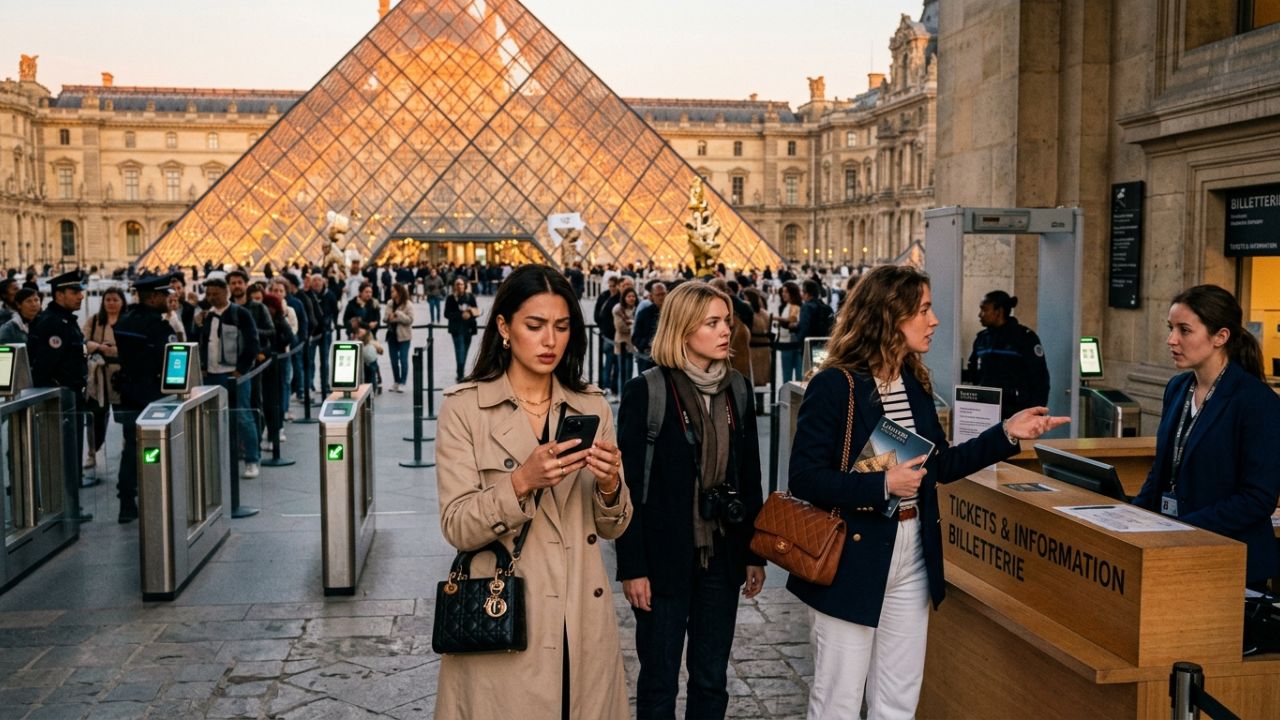
Image generated by AI
A major travel safety alert has been issued for cultural tourists visiting Europe, as French authorities uncover a massive insider fraud network operating at Paris's iconic Louvre Museum. With a multimillion-euro Louvre ticketing scam suspected of operating for over a decade, prosecutors have launched comprehensive criminal proceedings against corrupt employees and tour guide organizers. The scam has prompted French cultural custodians and European tourism boards to introduce strict ticket verification protocols to protect international travelers from ticket duplication and counterfeit bookings.
Quick Summary
- Multimillion-Euro Loss: A long-running ticketing fraud network has siphoned over 10 million euros in lost revenue from the Louvre Museum.
- Police Arrests: In early 2026, French police arrested nine suspects, including museum staff and tour organizers, on charges of organized fraud and bribery.
- Ticket Reuse Scheme: Corrupt guides scanned single-entry tickets up to 20 times a day to admit unauthorized tourist groups.
- Fee Evasion: The scheme allowed tour groups to bypass the museum's mandatory "speaking fees" by splitting passenger groups.
- Strict Verification Reforms: The Louvre is implementing anti-fraud software, stricter scanning limits, and QR-based authentication to secure visitor entries.
Context: Global Cultural Tourism and Ticketing Vulnerabilities
The exposure of the extensive fraud network at the Louvre Museum on May 17, 2026, represents a significant moment for the international travel sector. As the world’s most visited cultural institution, welcoming nearly 9 million visitors annually, the Louvre has long been a key target for sophisticated ticket reselling cartels.
For international travelers planning visits to France and adjacent European hotspots, the uncovering of this long-running scam highlights the critical need to check ticket authenticity. By implementing digital reforms and prosecuting corrupt operators, French authorities aim to restore visitor confidence and secure Paris’s cultural tourism sector.
Specific Details of the Multimillion-Euro Louvre Ticketing Scam
The official French investigation reveals a highly organized and long-running scheme designed to exploit the museum's high visitor volume:
- Decade-Long Operation: Prosecutors allege that Louvre employees, tour guides, and external intermediaries collaborated in a fraud network that operated undetected for over ten years.
- Insider Collaboration: Museum staff accepted bribes to allow tour groups to pass through security gates using duplicated, split, or already-scanned tickets.
- Speaking Fee Evasion: Guides repeatedly reused legitimate entry tickets to bypass the mandatory "speaking fees" that the museum charges for officially sanctioned group tours.
- Nine Major Arrests: In early 2026, police arrested nine key organizers, including checkpoint workers, and filed formal charges for bribery and organized fraud.
- Revenue Redistribution: Millions of euros collected from unsuspecting passenger groups were redistributed outside official channels, depriving the museum of funds.
Severe Systemic Risks and Financial Exploitation of Visitors
The ongoing investigation highlights several key risks that international tourists and tour operators must understand:
- Diverted Ticket Revenues: Travelers unknowingly paid full price to fraudulent guides, with the money funding illicit networks instead of supporting museum conservation.
- Unlicensed Reseller Exploitation: Unauthorized third-party websites have targeted travelers with counterfeit passes and inflated, unverified packages.
- Erosion of Visitor Trust: The presence of insider corruption at checkpoints threatens the perceived reliability of official ticketing and booking platforms.
- Broader European Scams: Ticketing fraud—including AI-generated booking portals and unauthorized pass reselling—has surged across major tourism hubs like London, Rome, and Barcelona.
What Museum Authorities and French Prosecutors Are Declaring
French cultural heritage officials and Louvre administrators have emphasized their commitment to cleaning up entrance procedures:
- Statistically Inevitable: One senior museum administrator noted that due to the museum's scale and massive daily crowds, ticketing irregularities were "statistically inevitable," but emphasized that systems must adapt.
- Stricter Entrance Limits: The Louvre has began enforcing stricter ticket scanning limits at entry points to prevent the reuse of single-entry barcodes.
- Pre-Checkpoint Audits: Officials have introduced regular pre-checkpoint verifications to audit the validity of group passes before visitors reach main gates.
- Ecosystem Modernization: Administrators are prioritizing the development of secure digital booking platforms that use encrypted authentication software.
Practical Traveler Advice: How to Avoid Paris Booking Frauds
To ensure a secure and authentic visit to the Louvre and other European landmarks, safety experts advise travelers to follow these steps:
- Buy Directly from Official Portals: Always purchase tickets and book tours directly through the official museum website or verified governmental tourism partners.
- Request QR Code Verification: Ask your tour operator for direct receipt confirmation and a digital QR code that can be verified directly on the museum's portal.
- Avoid Excessive Discounts: Be cautious of tour packages offering unusually steep discounts on high-demand attractions, as this often indicates fraudulent ticket reuse.
- Avoid Street Ticket Sellers: Never purchase entry passes from unauthorized ticket resellers near the museum entrance or surrounding plazas.
- Utilize Official Mobile Apps: Use the museum’s official mobile apps to complete your bookings and securely store your digital entrance keys.
Detailed Elements of the Louvre Ticketing Scam
The following table summarizes the primary elements of the fraud network and their direct impact on international visitors:
Louvre Ticket Fraud Allegations Analysis
| Element of Fraud | Alleged Activity | Potential Visitor Impact |
|---|---|---|
| Ticket Reuse | Single tickets scanned multiple times | Visitors unknowingly pay full price while fraud diverts revenue |
| Staff Collusion | Museum employees assisting guides | Trust in official entry procedures and checkpoints eroded |
| Group Manipulation | Splitting tourist groups to evade fees | Compromised tour pricing and unverified guide credentials |
| Insider Coordination | Bribes and organized operation | Increased risk of matching ticket scams at other major attractions |
Broader Context: European Travel Scams and Digital Booking Volatility
The Louvre ticketing scam is part of a broader challenge facing major European cultural destinations. Cities like Paris, London, Rome, and Barcelona are struggling with a surge in unauthorized ticket reselling and digital booking scams.
As demand for cultural travel continues to rise, fraudulent operators are using increasingly sophisticated methods, including cloning official booking sites and using AI to generate fake tickets. This underscores the need for international travelers to exercise caution and complete all bookings through official, direct channels.
What to Expect Next: Advanced Digital Protection and QR Verification
Looking ahead, the Louvre and other major heritage institutions will continue to deploy advanced security measures to secure their entry gates. Regulators will focus on integrating anti-fraud software and encrypted, time-sensitive QR codes to prevent barcode duplication.
Travelers should expect stricter verification checks at checkpoints and more organized group entry protocols. By embracing these essential updates, international travelers can help protect historic institutions and ensure a secure, authentic cultural experience.
Conclusion
The exposure of the Louvre ticketing scam serves as a vital warning for international cultural tourists. While the multimillion-euro fraud scheme shows the vulnerability of large-scale tourism systems, the quick action of French prosecutors and museum administrators demonstrates a clear commitment to protecting visitor trust. By booking directly through official channels and verifying ticket credentials, travelers can continue to safely enjoy Paris’s timeless artistic masterpieces.
Frequently Asked Questions (FAQ)
1. What is the Louvre ticketing scam, and how did it operate?
The Louvre ticketing scam was an insider fraud scheme where tour guides and corrupt museum staff collaborated to reuse single-entry tickets up to 20 times a day, siphoning millions in revenue outside official channels.
2. How much revenue did the Louvre lose due to this fraud?
French prosecutors estimate that the fraud network operated for over a decade, costing the Louvre Museum more than 10 million euros in lost ticketing and speaking fee revenue.
3. Have any arrests been made in connection with the scam?
Yes. In early 2026, French police arrested nine suspects, including museum workers and tour organizers, on charges of bribery and organized fraud.
4. How can I ensure my Louvre tickets are authentic and safe?
Always purchase tickets directly from the official Louvre Museum website or verified government tourism partners, and avoid buying from unauthorized street sellers or discount sites.
5. What changes is the Louvre implementing to prevent ticket fraud?
The museum is introducing stricter scanning limits at entry points, regular pre-checkpoint audits, and secure digital authentication systems to prevent barcode duplication.
Disclaimer
This article is for informational and educational purposes only. It does not constitute legal, financial, or professional advice. While we strive to provide accurate and up-to-date information, travel policies, regulations, and conditions change rapidly. Always verify information with official sources before making travel decisions. Nomad Lawyer makes no representations about the accuracy, reliability, completeness, or suitability of the information provided. Readers should consult qualified professionals for advice specific to their circumstances. The views expressed in this article are those of the author and do not necessarily reflect the views of Nomad Lawyer.
Kunal K Choudhary
Co-Founder & Contributor
A passionate traveller and tech enthusiast. Kunal contributes to the vision and growth of Nomad Lawyer, bringing fresh perspectives and driving the community forward.
Learn more about our team →