
Los Angeles and 5 US Cities Drive 2026 Film Tourism Surge via Set-Jetting Trends
Los Angeles is repositioning its tourism strategy to capitalize on the 'set-jetting' phenomenon, joining Atlanta, New York, Albuquerque, Chicago, and Miami in a coordinated push to convert screen exposure into international visitor growth.

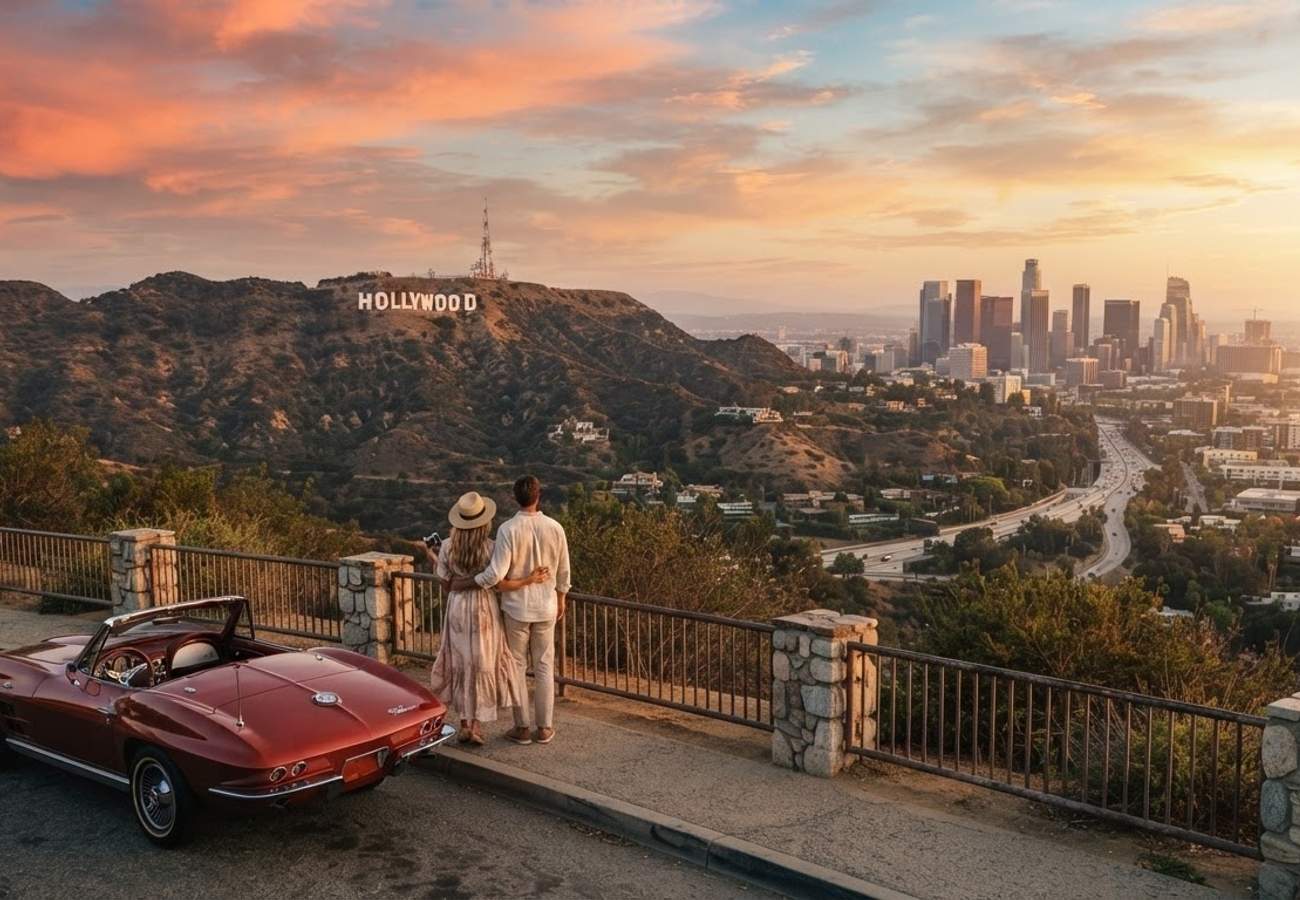
Image generated by AI
Los Angeles is aggressively pivoting its tourism infrastructure to capture the global "set-jetting" market, aligning with five other major U.S. hubs to convert cinematic exposure into measurable inbound visitor growth.
The shift marks a transition for Los Angeles from being merely a production center to a primary destination for screen-inspired travel. This movement, known as set-jetting, involves travelers planning entire itineraries around filming locations, studio tours, and franchise-linked attractions.
The Shift Toward Mainstream Set-Jetting
Film tourism has evolved from a niche hobby for superfans into a mainstream travel driver. The proliferation of global streaming platforms and massive franchise releases has fundamentally altered how international tourists select their destinations.
Current industry data indicates a measurable segment of U.S. travelers now book trips specifically after encountering a location in a movie or series. This trend is not isolated to the U.S.; global destinations have seen similar surges, using screen exposure to accelerate post-pandemic recovery and diversify their appeal beyond traditional sightseeing.
Los Angeles: Leveraging Production Rebounds
Los Angeles is utilizing a recent spike in local production activity to attract international fans. Data from the region's permitting agency in early 2026 shows that on-location production days increased in Q1 2026 compared to Q4 2025, with television production showing the strongest growth. This rebound is attributed to California’s film and TV tax credit program and aggressive local retention campaigns.
Tourism metrics reflect this momentum:
- Total Visitors (2025): Nearly 50 million.
- International Arrivals (2025): Over 6 million.
- Strategic Drivers: "We Love LA" marketing, studio tours, and new museum openings.
- Upcoming Catalysts: 2026 FIFA World Cup and 2028 Olympic and Paralympic Games.
The city is now integrating iconic landmarks—such as the Griffith Observatory and the Hollywood Sign—into curated, screen-inspired itineraries rather than promoting them as isolated tourist stops.
The US Film Tourism Map: Five Emerging Counterweights
While Los Angeles remains the epicenter, five other cities have developed distinct identities to capture specific fan demographics:
- Atlanta: Known as the "Hollywood of the South," the city leverages its massive soundstage capacity and incentive structures to attract fans of superhero cinema and streaming blockbusters.
- Albuquerque: Specializes in crime dramas and science fiction. The city offers themed RV excursions and packages that merge filming locations with Route 66 heritage.
- New York City: Maintains dominance through its depiction as an "urban character," offering borough-specific tours ranging from romantic comedies to prestige dramas.
- Chicago: Seeing a rise in screen-branded tours focused on its distinct skyline and waterfront backdrops.
- Miami: Utilizing its high visibility in recent streaming catalogs to drive inbound travel campaigns.
Economic Impact of Screen-Inspired Travel
The financial benefits of set-jetting extend beyond ticket sales for studio tours. According to government and travel data, New York, Los Angeles, Miami, Orlando, and San Francisco remain the top recipients of international arrivals. Industry surveys suggest a double-digit percentage of U.S. travelers have booked trips based on on-screen depictions.
From a logistical perspective, this trend provides three primary economic advantages:
- Seasonality Smoothing: Film tourism generates year-round demand, reducing the volatility of traditional peak seasons.
- Increased Length of Stay: International visitors tend to extend their trips to accommodate guided tours and side trips to secondary filming locations.
- Brand Diversification: It complements existing convention and business travel, broadening the city's appeal to a younger, globally connected demographic.
Strategic Differentiation in a Global Market
To avoid saturation, U.S. cities are adopting specialized narratives. Los Angeles markets itself as a "working production hub," emphasizing active backlots. Atlanta focuses on the "comic-book universe," while Albuquerque leverages its desert landscapes and gritty drama aesthetics.
Market trends suggest that the collaboration between city film offices and tourism agencies is becoming more structured, with data-driven research now guiding how screen exposure is converted into hotel bookings and restaurant spending.
The era of the passive backdrop is over; cities are now active protagonists in the global tourism economy.
Related Travel Guides
Disclaimer
This article is for informational and educational purposes only. It does not constitute legal, financial, or professional advice. While we strive to provide accurate and up-to-date information, travel policies, regulations, and conditions change rapidly. Always verify information with official sources before making travel decisions. Nomad Lawyer makes no representations about the accuracy, reliability, completeness, or suitability of the information provided. Readers should consult qualified professionals for advice specific to their circumstances. The views expressed in this article are those of the author and do not necessarily reflect the views of Nomad Lawyer.
Kunal K Choudhary
Co-Founder & Contributor
A passionate traveller and tech enthusiast. Kunal contributes to the vision and growth of Nomad Lawyer, bringing fresh perspectives and driving the community forward.
Learn more about our team →