
Hermosa Beach Earthquake Rattles Los Angeles: South Bay Shaking and Visitor Safety Guide 2026

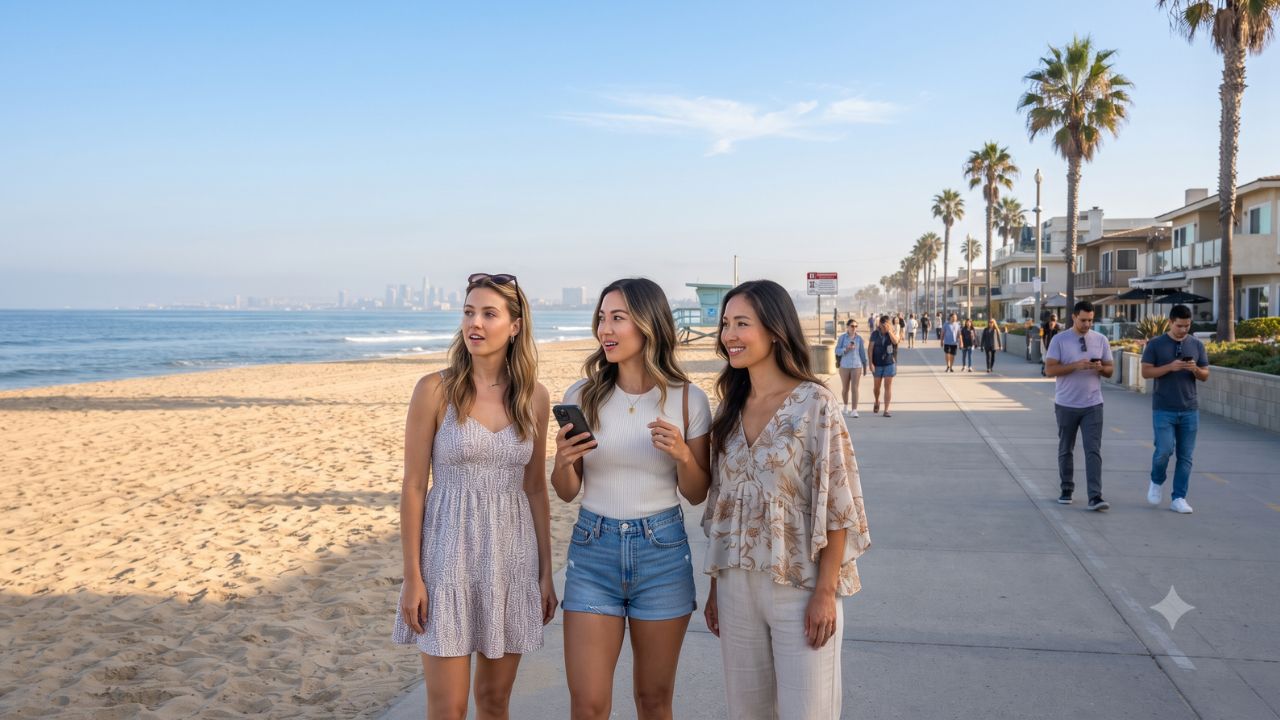
Southern California registers around 10,000 earthquakes every year, but only 15 to 20 ever reach magnitude 4.0 or higher. On Sunday morning, 27 September 2026, at approximately 8:40am local time, an offshore magnitude 3.6 tremor struck beneath the Pacific Ocean roughly four miles west-south-west of Hermosa Beach, rattling breakfast tables and beachfront hotels across Los Angeles County’s South Bay without causing structural damage or flight groundings.
The September 27 Offshore Tremor: What Happened in the South Bay
Seismological data recorded by the United States Geological Survey (Event ID ci41339927) pinpointed the epicenter approximately 6 kilometers (4 miles) west-south-west of Hermosa Beach at a focal depth of 11.9 kilometers (7.4 miles). While initially calculated at magnitude 3.5, secondary automated telemetry revised the measurement to magnitude 3.6.
The sudden jolt was felt widely across coastal and inland neighborhoods, including:
- Coastal Enclaves: Hermosa Beach, Manhattan Beach, Redondo Beach, and El Segundo.
- Inland South Bay Corridors: Hawthorne, Gardena, and Long Beach.
- Greater Los Angeles Basin: High-rise residential towers and hotel complexes throughout central Los Angeles.
Municipal emergency service agencies across Los Angeles County reported no injuries, collapsed masonry, or municipal utility failures. Los Angeles International Airport (LAX) and regional transit networks maintained standard operating timetables throughout the morning.
What Makes Coastal California Seismic Preparedness Different
Experiencing ground motion along the Pacific coastline requires understanding the difference between low-energy local tremors and destructive regional events. While historical benchmarks like the magnitude 6.7 Northridge earthquake in 1994 inflicted widespread structural destruction, low-magnitude offshore quakes in the 3.0 to 3.9 range generate sudden rattling but rarely compromise modern building codes.
However, oceanfront geography introduces distinct safety requirements. Unlike inland desert faults, coastal tremors necessitate awareness of both structural shaking and marine conditions:
- The 20-Second Coastal Rule: Under Los Angeles County disaster guidelines, if ground shaking near the beach lasts 20 seconds or longer, travelers should immediately move inland or ascend to higher ground without waiting for formal siren sirens, as prolonged violent shaking can indicate potential tsunami generation. The 27 September event lasted only a few seconds and triggered zero tsunami risk.
- High-Rise Elevator Safeguards: Modern California hotels are engineered with automatic seismic shutoff sensors on elevator banks. During or immediately after shaking, elevators park at the nearest floor; travelers should use marked stairwells rather than waiting for lifts.
Visitor Insider Tips: Navigating Southern California Travel Safely
- Download State Early Warning Apps: Install the California Governor's Office of Emergency Services MyShake mobile application before arriving. The system connects to ground-motion sensor arrays to provide seconds of advance warning before severe secondary waves arrive.
- Practice 'Drop, Cover, and Hold On': If you experience shaking while in a hotel room, drop beneath a sturdy desk or table, protect your neck with your arms, and hold on until motion ceases. Never run outdoors during shaking, as falling facade tiles and glass present the primary injury risk.
- Keep Essential Travel Documents Accessible: Store your passport, prescription medications, mobile battery banks, and hotel keycards in a designated daypack near your room entrance for quick egress if building managers order a precautionary evacuation.
- Monitor Official Emergency Channels: Rely on notifications from Ready Los Angeles County and the city's official tourism platform, Discover Los Angeles, rather than unverified rumors on social media feeds.
Cultural and Environmental Context: Living Along the Pacific Rim
Earthquakes are an inherent geological reality of life along the Pacific Rim, shaping Southern California's architecture, zoning laws, and coastal conservation policies. South Bay beachfront communities—celebrated for volleyball tournaments, coastal cycling paths, and seafood dining on historic piers—are built under some of the world's most stringent seismic building codes.
For international travelers visiting during National Preparedness Month, understanding regional safety procedures allows for worry-free exploration of Southern California’s beaches, theme parks, and cultural districts without overreacting to minor geological adjustments.
FAQ: Earthquake Safety for Los Angeles Visitors 2026
Did the Hermosa Beach earthquake cause damage or flight cancellations?
No. The magnitude 3.6 earthquake on 27 September 2026 produced brief shaking across South Bay communities but caused no structural damage, injuries, or airport disruptions.
How common are earthquakes in Southern California?
Southern California records around 10,000 earthquakes annually. Several hundred register above magnitude 3.0, but only 15 to 20 reach magnitude 4.0 or greater.
What should I do if an earthquake occurs while I am at the beach?
Drop, cover, and hold on during shaking. If severe shaking lasts 20 seconds or longer, immediately evacuate the shoreline and walk inland toward higher ground to avoid potential tsunami surges.
How can international travelers receive live emergency alerts in Los Angeles?
Travelers can download the free MyShake app on iOS and Android or register for localized SMS alerts through Alert LA County.
Embracing simple seismic awareness allows you to enjoy Southern California's iconic coastline with the quiet confidence of a seasoned local.
Related Travel Guides
Disclaimer
This article is for informational and educational purposes only. It does not constitute legal, financial, or professional advice. While we strive to provide accurate and up-to-date information, travel policies, regulations, and conditions change rapidly. Always verify information with official sources before making travel decisions. Nomad Lawyer makes no representations about the accuracy, reliability, completeness, or suitability of the information provided. Readers should consult qualified professionals for advice specific to their circumstances. The views expressed in this article are those of the author and do not necessarily reflect the views of Nomad Lawyer.
Raushan Kumar
Founder & Lead Developer
Full-stack developer with 11+ years of experience and a passionate traveller. Raushan built Nomad Lawyer from the ground up with a vision to create the best travel and law experience on the web.
Learn more about our team →