
Living Dark Gaza: Power Crisis Transforms Travel 2026
Living dark Gaza dominates headlines in 2026 as war-induced electricity collapse forces residents and visitors to navigate life without reliable power infrastructure.

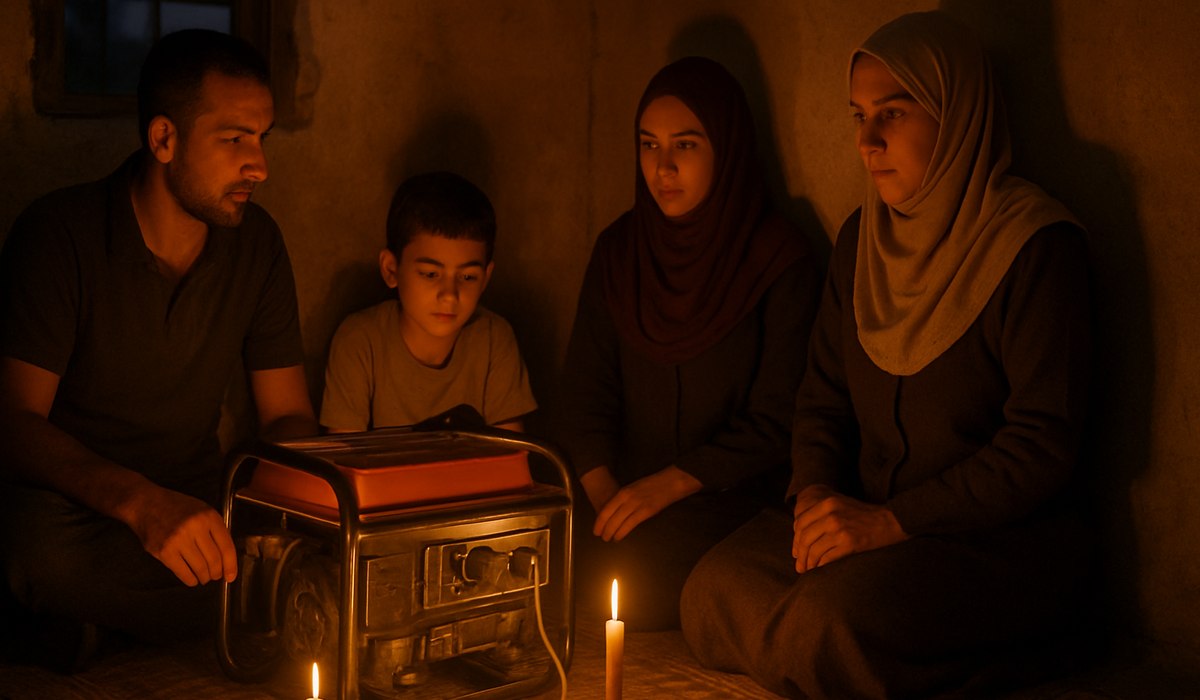
Image generated by AI
Gaza's Electricity Crisis: What Travelers Need to Know Right Now
Living dark Gaza has become the grim reality for residents and international visitors navigating the region in 2026. Conflict-driven destruction has decimated the territory's power generation capacity, leaving approximately 2.3 million people dependent on diesel generators and costly alternative energy solutions. The electricity crisis fundamentally reshapes daily operations, from hospitals to hospitality services, creating unprecedented challenges for anyone attempting to work, communicate, or sustain basic living standards in this conflict-affected area.
The Complete Collapse of Gaza's Power Grid
Gaza's power infrastructure faced systemic challenges long before the latest conflict escalation. The territory's sole power plant ceased operations years ago, leaving the region reliant on electricity imported from Israel and Egypt through limited connection points. The 2026 conflict has severed most remaining grid connections, reduced fuel deliveries to critical infrastructure, and destroyed distribution networks across urban centers.
Current estimates suggest the power grid operates at less than 5% capacity during peak hours. Medical facilities report rolling blackouts lasting 18-20 hours daily, while residential neighborhoods experience near-total darkness after sunset. The Palestinian Authority and international humanitarian organizations document widespread equipment damage at substations and transmission infrastructure. Fuel shortages prevent backup diesel generators from running continuously, creating unpredictable power windows that complicate planning for residents and visiting professionals. The infrastructure collapse represents one of the region's most severe humanitarian consequences of sustained conflict.
For detailed humanitarian impact assessments, the UN Office for the Coordination of Humanitarian Affairs provides updated situation reports on critical infrastructure damage.
How Families Are Adapting to Life Without Electricity
Gazans have implemented survival strategies that reshape household economics and social routines. Solar panel installations have become increasingly common despite high initial costs, with families pooling resources to purchase portable systems. Home-based charging stations powered by car batteries allow residents to maintain minimal device connectivity during extended blackout periods.
Behavioral adaptation runs equally deep. Families shift activity schedules around infrequent power windows, planning meals, laundry, and professional work during the 2-4 hours when electricity flows. Children complete homework during daylight hours using natural illumination. Water pumping depends on generator schedules, forcing residents to store water during operational periods and ration usage carefully. Community centers and NGO facilities have become informal social hubs where people gather for charging access, internet connectivity, and basic services. Hospitals and clinics employ triage systems that prioritize critical procedures to scarce generator fuel allocations.
The World Health Organization documents how electricity scarcity impacts healthcare delivery across the region, affecting vaccination programs and surgical capacity.
The Cost of Alternative Energy Solutions
Diesel generators remain the primary backup power source, but fuel costs have escalated dramatically due to supply restrictions. A typical household generator consumes 3-5 liters daily, costing families 50-150 New Israeli Shekels (approximately $14-40 USD) per day—an enormous expense for those earning minimal wages. Solar panel systems cost $2,000-5,000 for residential capacity, placing them out of reach for families living below the poverty line.
Private commercial charging services operate from shops and repair facilities, charging 5-10 New Israeli Shekels per phone charge or laptop battery recharge. Internet cafes have transitioned from social spaces to essential infrastructure, offering hourly charging access at premium rates. Backup battery systems and portable power banks have become luxury items, resold on secondary markets at 200-300% markups. Emergency services and international organizations maintain their own fuel supplies, creating visible inequities in access to basic utilities. These cost disparities have fractured society into those with financial resources to purchase alternatives and those trapped in darkness.
The International Committee of the Red Cross reports on critical fuel shortages affecting humanitarian logistics and medical facility operations throughout the territory.
Implications for Digital Nomads and Remote Workers
The electricity crisis directly impacts anyone attempting remote professional work in living dark Gaza. Video conference calls become logistically complex when power availability is unpredictable and internet connectivity depends on generator fuel availability. Cloud-based work platforms require reliable internet infrastructure that remains compromised by power limitations. Backup battery solutions extend laptop work capacity to 4-6 hours, forcing workers to complete tasks in fragmented sessions between blackouts.
Internet service providers struggle to maintain consistent connectivity when their equipment depends on generator fuel. Mobile phone networks operate intermittently, restricting communication with international clients and colleagues. Time zone differences compound these challenges—professionals attempting to participate in meetings during Asia-Pacific or North American working hours may find power unavailable during their allocated work windows. Several international technology companies have temporarily relocated their Palestinian staff to neighboring regions to maintain service continuity.
Remote workers considering passage through the region should factor significant productivity losses, unpredictable communication availability, and health impacts from heat stress during non-functional air conditioning periods. Backup power solutions require pre-arranged acquisition and ongoing fuel logistics. The practical reality substantially diverges from typical nomadic work environments in stable regions.
Key Data Table: Gaza Electricity Crisis by Numbers
| Metric | Figure | Status |
|---|---|---|
| Current Grid Capacity | <5% | Operational |
| Average Daily Blackout Duration | 18-20 hours | March 2026 |
| Population Affected | 2.3 million | Estimated |
| Daily Household Generator Cost | $14-40 USD | Current rates |
| Solar Panel Installation Cost | $2,000-5,000 | Retail prices |
| Hospital Power Access Hours | 4-6 hours | Intermittent |
| Fuel Truck Deliveries Monthly | 2-3 | Restricted |
| Temperature During Blackouts | 28-35°C (82-95°F) | Summer projections |
| Mobile Network Uptime | 40-60% | Signal dependent |
| Charging Station Queue Wait | 2-4 hours | Peak periods |
What This Means for Travelers
If you're considering travel to or through Gaza during 2026, understand that the electricity crisis fundamentally alters the experience:
-
Plan charging access in advance. Research accommodation facilities with generator-powered charging capacity before booking. Confirm backup power availability with hotels, hostels, or host contacts directly rather than relying on website descriptions predating the current infrastructure collapse.
-
Pack extended battery solutions. Bring multiple power banks, solar charging devices, and universal charging cables compatible with regional outlets. Anticipate 18-20 hour periods without external power access.
-
Accept connectivity limitations. Internet availability is sporadic and inconsistent. Inform colleagues and family that communication may be delayed or impossible during extended blackout periods. Download offline maps, messages, and essential documents before arrival.
-
Budget significant additional costs. Private charging services, generator fuel surcharges, and premium rates for backup power access add substantially to daily expenses. Expect to pay 30-50% higher accommodation and service rates compared to pre-conflict periods.
-
Prioritize medical considerations. Confirm that healthcare facilities maintain adequate generator fuel and backup power capacity. Bring essential medications in sufficient quantities since refrigerated medications may become unavailable during extended blackouts.
-
Reconsider work-intensive visits. If your travel purpose depends on reliable electricity access for remote work, digital content creation, or professional obligations, current infrastructure conditions make task completion impractical. Consider postponing work-dependent visits to stable regions until power grid reconstruction progresses significantly.
Frequently Asked Questions
What's the current status of Gaza's electricity access in 2026?
Gaza operates at less than 5% of normal power grid capacity as of March 2026. The territory experiences 18-20 hour daily blackouts. Residents depend on diesel generators and alternative energy solutions to access electricity, with fuel shortages limiting even backup power availability.
Can tourists and travelers visit Gaza safely?
Travel to Gaza remains restricted for international visitors due to ongoing conflict and security concerns. Before attempting travel, verify current entry requirements, security briefings, and travel advisories through your government's travel advisory service.
How much does it cost to use private charging services?
Private charging services cost
Disclaimer
This article is for informational and educational purposes only. It does not constitute legal, financial, or professional advice. While we strive to provide accurate and up-to-date information, travel policies, regulations, and conditions change rapidly. Always verify information with official sources before making travel decisions. Nomad Lawyer makes no representations about the accuracy, reliability, completeness, or suitability of the information provided. Readers should consult qualified professionals for advice specific to their circumstances. The views expressed in this article are those of the author and do not necessarily reflect the views of Nomad Lawyer.
Raushan Kumar
Founder & Lead Developer
Full-stack developer with 11+ years of experience and a passionate traveller. Raushan built Nomad Lawyer from the ground up with a vision to create the best travel and law experience on the web.
Learn more about our team →