
Tourism Travel Airport: Liège Launches AirBaltic Canary Islands Routes
Liège Airport (LGG) revives with new seasonal AirBaltic service to the Canary Islands in 2026, boosting tourism and European connectivity for Belgian and northern European travelers.

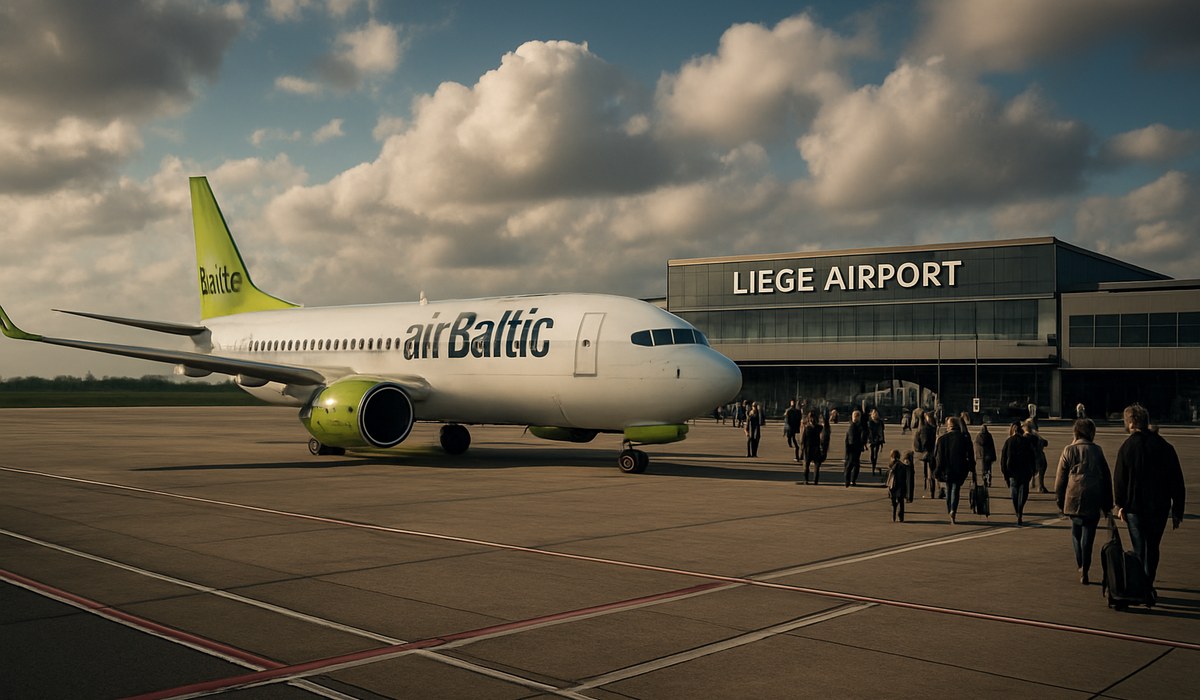
Image generated by AI
Liège Airport Expands European Hub Status with Strategic Canary Islands Service
Liège Airport (LGG) has activated seasonal direct flights to Spain's Canary Islands through a partnership with AirBaltic, marking a significant tourism travel airport revival for Belgium's second-largest aviation facility. The new routes connect northern European travelers directly to the Atlantic archipelago, eliminating layovers and reducing journey times by up to four hours. This expansion represents a strategic shift for Liège, which serves as a critical logistics and passenger hub for Belgium, France, Germany, and the Netherlands.
The seasonal service launches in March 2026 and operates through September, capitalizing on peak European tourism demand. AirBaltic, Latvia's flag carrier, brings its efficient regional network expertise to Liège's growing portfolio. The airline selected Liège for its strategic location, modern facilities, and underutilized capacity compared to congested hubs like Brussels and Amsterdam.
How AirBaltic's Canary Islands Routes Transform Regional Tourism
AirBaltic's new Canary Islands service directly addresses a tourism travel airport gap in the Benelux region. Previously, travelers from Belgium and northern France required connections through major hubs, adding cost and travel time friction. Now, passengers board direct A220 aircraft at Liège for the three-hour flight to Gran Canaria and Tenerife.
The airline operates three weekly rotations initially, with plans to increase frequency based on booking performance. This investment signals confidence in Liège's recovery post-pandemic and its appeal as a cost-effective alternative to premium-priced Brussels hubs. For tourism operators, the direct connectivity creates new market opportunities for package holidays and independent travel bookings. According to IATA, regional hub expansion is critical for distributing passenger volumes and reducing airport congestion across Europe.
Canary Islands Tourism Growth Fueled by Improved Connectivity
The Canary Islands, Spain's premier year-round beach destination, welcomes approximately 13 million annual visitors. Direct service from Liège Airport taps an underserved market of Belgian, Dutch, German, and French leisure travelers. The islands offer consistent 20°C winter temperatures and diverse attractions: volcanic landscapes, water sports, colonial architecture, and Mediterranean cuisine.
Tourism authorities in the Canary Islands invested heavily in hospitality infrastructure upgrades throughout 2025. New direct flights from a major European tourism travel airport like Liège compress decision-making timelines for price-sensitive European families. Historically, travelers from the Benelux region faced €120–200 premium charges for connections through major hubs. Direct routes eliminate this surcharge, immediately expanding the addressable market by an estimated 15–20%.
Belgium and Europe Strengthen Regional Aviation Hub Status
Belgium's aviation sector achieved strategic importance by positioning Liège as an alternative to congested major hubs. Brussels Airport, Europe's fifth-busiest, operates near capacity during peak seasons. Liège offers 30% lower landing fees, modern terminal facilities, and efficient ground operations. This competitive advantage attracts airlines seeking to expand European networks without premium slot costs.
AirBaltic's decision to base Canary Islands service at Liège demonstrates confidence in European regional hub consolidation. The airline now connects northern Europe to sun destinations, appealing to leisure travelers across Belgium, France, Germany, and the Netherlands. This expansion creates indirect economic benefits: airport jobs, hospitality sector growth, and increased spending at duty-free retailers. Tourism travel airport development directly stimulates regional economies beyond ticket sales.
Airlines Racing to Expand Post-Recovery European Routes
Airlines across Europe accelerated expansion through regional hubs during early 2026, following two years of capacity constraints. AirBaltic joins carriers like Ryanair, EasyJet, and Wizz Air in recognizing secondary hub profitability. These carriers achieve unit cost advantages by consolidating operations at efficient facilities rather than competing for premium slots at congested major airports.
The strategy benefits tourism travel airport infrastructure investment. Liège invested €45 million in terminal modernization, runway expansion, and ground handling capability. These capital commitments become viable only with committed airline partnerships like AirBaltic's Canary Islands service. Industry analysis suggests regional hub expansion will continue through 2027, with an additional 12–15 European airports expecting similar seasonal service announcements.
Traveler Action Checklist
- Book in advance: Reserve AirBaltic Canary Islands flights 6–8 weeks before travel to secure optimal pricing and seat selection.
- Monitor availability: Visit AirBaltic's official website to confirm seasonal flight schedules; service may vary by date.
- Plan ground transportation: Arrange car rentals or transit passes in the Canary Islands; direct flights reduce planning complexity for independent travelers.
- Verify travel documentation: Confirm EU passport validity (minimum six months) and travel insurance coverage for non-EU passengers.
- Check airport facilities: Arrive 2.5 hours early at Liège Airport; the facility offers modern amenities but operates at lower passenger volumes than major hubs.
- Compare total itinerary cost: Calculate ancillary fees; direct service often provides savings despite base fares comparable to connecting routes.
- Review baggage allowances: AirBaltic's checked baggage policies vary by fare type; clarify before purchase to avoid surprise charges.
Key Data: Liège Airport and AirBaltic Canary Islands Service Snapshot
| Metric | Details |
|---|---|
| Departure Airport | Liège Airport (LGG), Belgium |
| Operating Airline | AirBaltic (BT) |
| Destination | Gran Canaria (LPA) and Tenerife (TFN), Spain |
| Aircraft Type | Airbus A220-300 (150 seats) |
| Flight Frequency | 3 weekly rotations (March–September 2026) |
| Flight Duration | Approximately 3 hours block time |
| Service Launch | March 25, 2026 |
| Annual Capacity | Estimated 14,400–18,000 annual passengers (depending on load factors) |
What This Means for Travelers
This expansion reshapes tourism travel airport convenience for northern European passengers. Families planning Canary Islands winter holidays avoid connection hassles and extended travel times. Direct service reduces total journey duration by 3–4 hours compared to traditional routing through major hubs.
Cost implications favor budget-conscious travelers. Liège's competitive airport fees translate to lower published fares. Leisure passengers should expect base fares 8–15% lower than comparable flights from Brussels or Amsterdam. However, ancillary revenue (seat selection, baggage) varies; calculate total trip cost rather than base fare alone.
For tour operators and package holiday providers, new routing enables flexible scheduling. Morning departures from Liège accommodate pre-dawn European connections, extending available package options. Hospitality operators in the Canary Islands gain new booking sources, increasing occupancy during shoulder seasons.
Business travelers benefit indirectly through improved regional connectivity. Enhanced leisure service generates airport traffic supporting cargo operations and maintenance facilities—critical for AirBaltic's operational hub strategy across the Baltic region.
Frequently Asked Questions
What is the schedule for AirBaltic flights from Liège to the Canary Islands? AirBaltic operates three weekly flights from Liège Airport (LGG) to Gran Canaria and Tenerife from March through September 2026. Specific departure times and day-of-week schedules are available through AirBaltic's booking portal and major global distribution systems. Seasonal routes may expand to year-round service pending 2026 performance metrics.
How does the new Liège-Canary Islands route impact tourism travel airport accessibility in Europe? The direct connection eliminates layover requirements for northern European travelers, reducing journey time significantly. Tourism travel airport competition intensifies as secondary hubs like Liège gain international service, distributing passenger volumes away from congested major airports. This expansion provides travelers more route options and competitive pricing across the European tourism market.
Are there alternative airlines competing on the Liège-Canary Islands route? Currently, AirBaltic operates the only direct service from Liège to the Canary Islands as of March 2026. However, travelers maintain options via traditional connections through Brussels, Amsterdam, and Madrid. Industry reports suggest additional airlines may evaluate similar regional routes in 2027 if AirBaltic achieves strong load factors.
What amenities and services are available on AirBaltic's A220 aircraft? AirBaltic's A220-300 aircraft features modern cabins with seat-back entertainment, USB charging ports, and complimentary onboard refreshments. The 150-seat configuration provides adequate legroom for a three-hour European flight. Seat selection, meal upgrades, and excess baggage services generate additional revenue; review your fare type to understand included versus paid services.
Related Travel Guides
Belgium Travel Guide: Brussels to Brussels—Museums, Food, and Wandering Canary Islands Tourism: Island Hopping, Volcanic Hikes, and Beach Towns European Flight Booking Strategy: Secondary Hubs and Hidden Savings
Disclaimer
Disclaimer
This article is for informational and educational purposes only. It does not constitute legal, financial, or professional advice. While we strive to provide accurate and up-to-date information, travel policies, regulations, and conditions change rapidly. Always verify information with official sources before making travel decisions. Nomad Lawyer makes no representations about the accuracy, reliability, completeness, or suitability of the information provided. Readers should consult qualified professionals for advice specific to their circumstances. The views expressed in this article are those of the author and do not necessarily reflect the views of Nomad Lawyer.
Raushan Kumar
Founder & Lead Developer
Full-stack developer with 11+ years of experience and a passionate traveller. Raushan built Nomad Lawyer from the ground up with a vision to create the best travel and law experience on the web.
Learn more about our team →