
Public Campaign Launches to Revive Spirit Airlines Through Community Ownership Model
Breaking airline news and aviation industry updates for 2026.

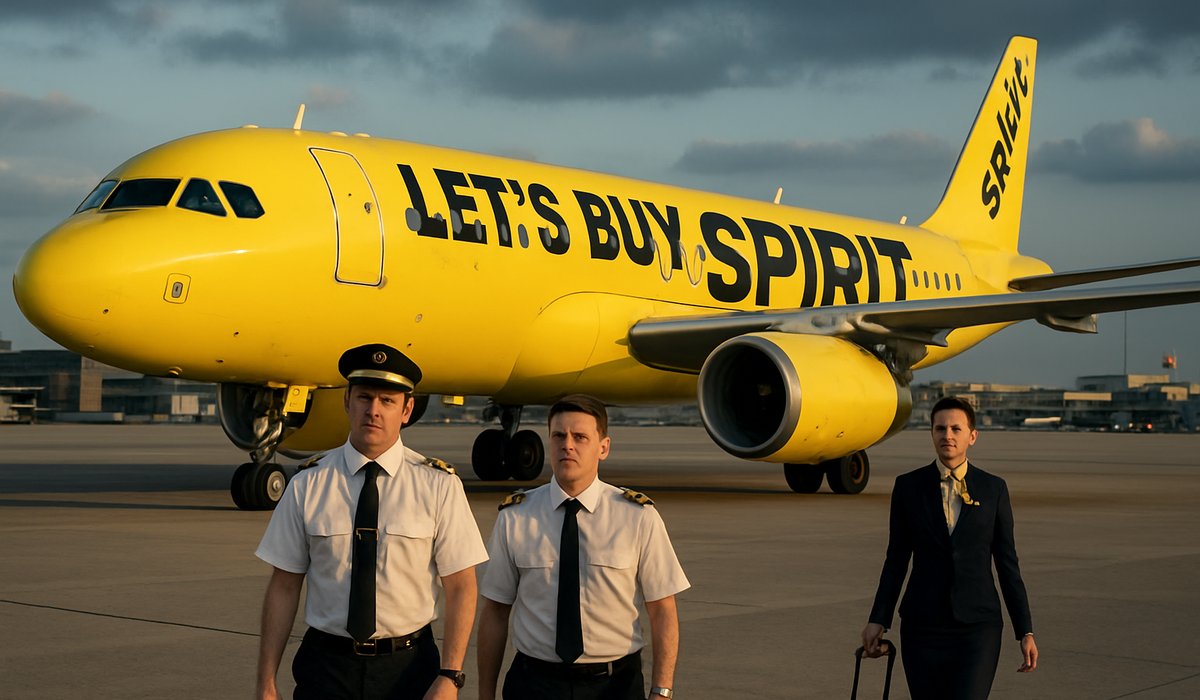
Image generated by AI
Public Campaign Launches to Revive Spirit Airlines Through Community Ownership Model
Grassroots movement mobilizes $22 million in pledges to resurrect defunct ultra-low-cost carrier as consumer-owned enterprise
Spirit Airlines' Collapse Sparks Unprecedented Rescue Campaign
The aviation industry is witnessing an extraordinary grassroots intervention as Spirit Airlines' operational closure has triggered a citizen-led revival initiative that mirrors unconventional ownership models rarely seen in commercial aviation. Within 24 hours of the carrier's final flights touching down, the "Let's Buy Spirit" campaign announced it had secured over $22 million in public pledges—a striking testament to consumer demand for affordable air travel options and growing frustration with industry consolidation.
Can Community Ownership Save a Legacy Carrier?
The proposed restructuring would establish Spirit as a publicly held, community-owned enterprise—drawing structural inspiration from the Green Bay Packers' unique shareholder model. Proponents argue this approach would democratize airline ownership while preserving the ultra-low-cost carrier's budget-friendly positioning that has historically undercut major airline baggage charges and ancillary fees.
The campaign, amplified through coordinated social media strategy and online fundraising platforms, represents a dramatic shift in how consumers and aviation stakeholders respond to industry consolidation. Spirit's operational demise followed years of financial turbulence, compounded by rising jet fuel prices, elevated labor costs, and intensified competition from legacy carriers and fellow budget operators.
The Broader Aviation Landscape
Spirit's disappearance removes a significant competitor from the ultra-low-cost segment, potentially enabling surviving budget carriers to adjust pricing structures upward. Industry analysts suggest the carrier's exit may accelerate consolidation trends already reshaping the American aviation market, with fewer independent operators challenging established players on route networks and pricing.
The community ownership proposal addresses a fundamental aviation industry challenge: maintaining affordable travel options amid persistent cost pressures. Ultra-low-cost carriers have historically compressed airline fees and operational expenses to deliver competitive base fares, forcing larger competitors to justify premium pricing through enhanced service offerings.
Viability Questions Loom
While the public enthusiasm is undeniable, aviation experts acknowledge significant structural hurdles. Operating a commercial airline demands sophisticated infrastructure, regulatory compliance expertise, and sustained capital investment—requirements that exceed typical crowdfunding capabilities. The "Let's Buy Spirit" initiative must navigate Federal Aviation Administration certification processes, secure operational funding beyond initial pledges, and establish professional management structures.
Whether community ownership can function sustainably in commercial aviation remains an open question, though the campaign's early financial momentum demonstrates considerable public appetite for alternatives to traditional carrier consolidation.
FAQ: Community-Owned Airlines and Budget Aviation
Q: What happened to Spirit Airlines, and why did it cease operations? Spirit Airlines suspended all operations following sustained financial losses attributed to jet fuel price volatility, rising labor expenses, and competitive pressure from larger carriers in the budget segment.
Q: How much money has the "Let's Buy Spirit" campaign raised so far? The grassroots initiative announced pledges exceeding $22 million within the first 24 hours following Spirit's final flights.
Q: Could a community-owned airline model actually work in the United States? While precedent exists (Green Bay Packers), aviation experts caution that operating commercial airlines requires substantial infrastructure, regulatory expertise, and ongoing capital investment beyond typical crowdfunding levels.
Q: What impact will Spirit's closure have on airline fees and baggage charges? Reduced competition in the ultra-low-cost segment may enable surviving budget carriers to adjust pricing upward, potentially increasing baggage charges and ancillary fees across the industry.
Q: Are other ultra-low-cost carriers still operating? Yes, carriers including Frontier Airlines, Allegiant Air, and Southwest Airlines continue operating budget-focused service models, though Spirit's departure reduces competition in this market segment.
Related Travel Guides
Flight Delay Compensation Guide 2026
Understanding Airline Route Changes
Airport Security Process Updated (2026)
External Resources
Disclaimer
This article is for informational and educational purposes only. It does not constitute legal, financial, or professional advice. While we strive to provide accurate and up-to-date information, travel policies, regulations, and conditions change rapidly. Always verify information with official sources before making travel decisions. Nomad Lawyer makes no representations about the accuracy, reliability, completeness, or suitability of the information provided. Readers should consult qualified professionals for advice specific to their circumstances. The views expressed in this article are those of the author and do not necessarily reflect the views of Nomad Lawyer.
Preeti Gunjan
Contributor & Community Manager
A passionate traveller and community builder. Preeti helps grow the Nomad Lawyer community, fostering engagement and bringing the reader experience to life.
Learn more about our team →