
Southwest Airlines Abandons 14-Year Capacity Gamble, Removing Extra Row to Win Back Passengers
Breaking airline news and aviation industry updates for 2026.

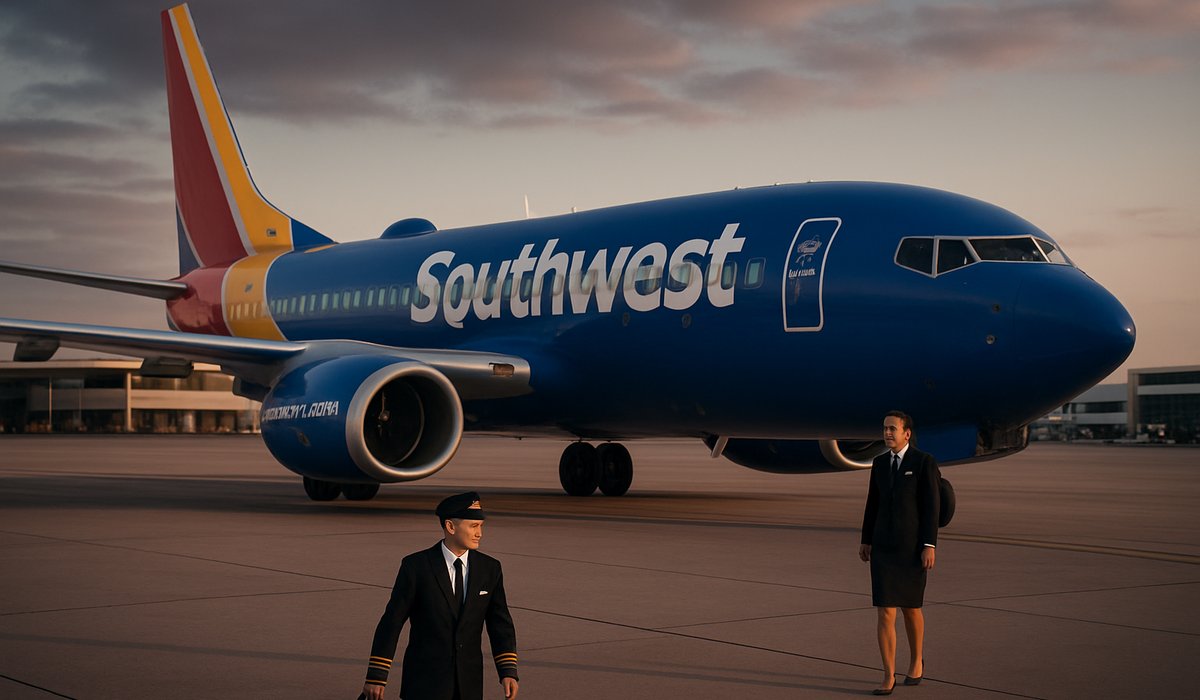
Image generated by AI
Southwest Airlines Abandons 14-Year Capacity Gamble, Removing Extra Row to Win Back Passengers
The carrier reverses a controversial 2012 decision to add ultra-dense seating, signaling a major shift in airline strategy away from maximum capacity cramming
The Reversal
Southwest Airlines has made a significant operational reversal, dismantling a cost-cutting strategy implemented over a decade ago that saw the carrier squeeze an additional row of seats into its Boeing 737-700 aircraft. The decision to remove the extra row—and revert to less densely configured cabins—represents a $60 million investment and signals a fundamental shift in how the carrier approaches passenger comfort and competitive positioning in an increasingly crowded aviation market.
The original 2012 initiative had allowed Southwest to increase seating capacity on its 737-700 fleet from 137 to 143 seats by installing slimmer, lighter seats with reduced legroom and minimal recline functionality. What once seemed like a straightforward revenue optimization strategy has now become a liability as airlines compete for market share through improved passenger experience.
Why the Pivot Now
The reversal reflects broader industry trends and mounting competitive pressure. As fuel costs remain volatile—influenced by geopolitical tensions and supply chain disruptions—airlines have begun recognizing that passenger satisfaction metrics directly impact revenue through repeat bookings and ancillary spending. Southwest's move suggests the carrier has determined that the marginal revenue gains from six additional seats per aircraft no longer justify the reputational cost and operational friction.
Industry analysts point to post-pandemic traveler expectations as a critical factor. Airlines have observed that passengers increasingly prioritize comfort over absolute lowest fares, particularly on longer regional routes where the cramped configurations proved most unpopular.
Financial and Operational Impact
The reinvestment of approximately $60 million to reconfigure the 737-700 cabin demonstrates management's conviction that enhanced comfort yields better long-term financial returns than maximum density operations. This reversal removes a distinguishing pain point that competitors had weaponized in marketing campaigns.
The decision may also reduce operational friction associated with boarding and deplaning procedures, potentially improving on-time performance—a metric directly tied to customer satisfaction and regulatory compliance.
Broader Industry Implications
Southwest's pivot challenges the prevailing ultra-low-cost carrier model that dominated the aviation industry over the past decade. As legacy carriers and ultra-discounters alike face pilot shortages, rising fuel prices, and wage pressures, the equation favoring capacity cramming has shifted considerably. The move suggests other carriers may reconsider their own dense seating configurations.
Frequently Asked Questions
Why did airlines start cramming more seats into aircraft? Post-2008 financial crisis economics and rising jet fuel prices pushed carriers to maximize revenue per flight. Additional rows translated directly to higher per-unit margins on low-margin routes.
How do airline baggage fees and seat density connect? Dense seating configurations were often paired with stricter baggage policies and ancillary fee structures, creating a compounding passenger experience problem that drove negative brand perception.
Are other airlines reversing similar capacity decisions? While no major reversals have been announced industry-wide, several carriers are reconsidering ultra-dense configurations on domestic routes, particularly as labor costs and fuel prices remain elevated.
What impact does this have on airline ticket prices? Reduced capacity per aircraft may exert upward pressure on fares, though competitive pricing dynamics could offset this. Long-term profitability improvements may stabilize pricing volatility.
How does this relate to current fuel price volatility? With jet fuel prices influenced by geopolitical factors and supply constraints, carriers are prioritizing operational efficiency and passenger loyalty over pure capacity metrics—making comfort investments more strategically valuable.
Related Travel Guides
External Resources
Disclaimer
This article is for informational and educational purposes only. It does not constitute legal, financial, or professional advice. While we strive to provide accurate and up-to-date information, travel policies, regulations, and conditions change rapidly. Always verify information with official sources before making travel decisions. Nomad Lawyer makes no representations about the accuracy, reliability, completeness, or suitability of the information provided. Readers should consult qualified professionals for advice specific to their circumstances. The views expressed in this article are those of the author and do not necessarily reflect the views of Nomad Lawyer.
Raushan Kumar
Founder & Lead Developer
Full-stack developer with 11+ years of experience and a passionate traveller. Raushan built Nomad Lawyer from the ground up with a vision to create the best travel and law experience on the web.
Learn more about our team →