
Latin American Carriers Adopt Dynamic Pricing and Unbundled Fares to Manage Operational Costs Amid Strong Demand in 2026
Latin American airlines implement dynamic pricing and unbundled base fares. Read about regional connection logs, customs check forms, and baggage cost guides.

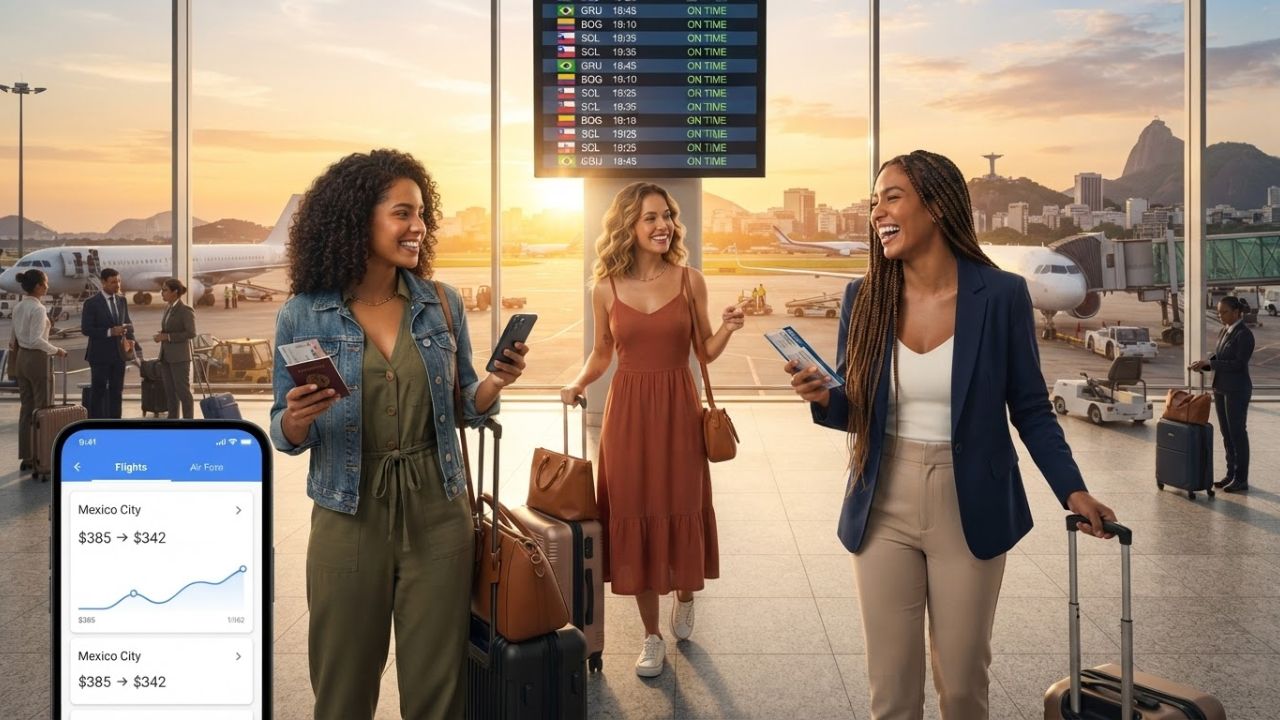
Image generated by AI
Latin American Carriers Adopt Dynamic Pricing and Unbundled Fares to Manage Operational Costs Amid Strong Demand in 2026
Airlines across Latin and Central America are expanding dynamic pricing algorithms and unbundled fare models to offset rising operating costs. Strong international demand continues supporting yields, prompting carriers to prioritize flexible yield management.
The Core Transit Update
Aviation pricing models throughout Latin America and Central America are undergoing a significant transformation. Rather than implementing system-wide, across-the-board fare increases, carriers are utilizing dynamic pricing systems and unbundled service models to protect their operating margins. This strategy allows airlines to manage rising operational costs—such as fuel price fluctuations, fleet maintenance overhead, and local airport tariffs—while maintaining competitive baseline fares.
According to metrics monitored by the Latin American and Caribbean Air Transport Association (ALTA), dynamic pricing enables airlines to adjust ticket costs in real time based on route capacity, booking windows, and competitor pricing. Network carriers like LATAM, Copa Airlines, and Aeroméxico are focusing on optimizing seat yields, particularly on high-demand international routes.
Concurrently, ultra-low-cost carriers (ULCCs) and reorganized legacy lines, such as Avianca, are expanding unbundled pricing structures. Under this framework, passengers pay a basic entry-level fare and must purchase optional services—such as carry-on bags, seat selection, and priority boarding—separately, which generates substantial ancillary revenue.
Transit Schedule & Route Specifications
The pricing frameworks and market strategies for key regional carriers are detailed in the tables below:
Airfare Pricing Models and Commercial Frameworks by Carrier
| Carrier Group | Country of Origin | Airfare Trend | Commercial Strategy |
|---|---|---|---|
| LATAM Airlines Group | Chile | Selected route adjustments | Focus on yield management, avoiding blanket network-wide increases |
| Avianca | Colombia | Low base fares with paid add-ons | Unbundled seating and baggage models to maximize ancillary revenues |
| Copa Airlines | Panama | Demand-driven pricing | Fares adjusted dynamically based on hub capacity through Panama City |
| Aeroméxico | Mexico | Yield-optimized pricing | Dynamic pricing on long-haul routes; competitive domestic pricing |
| GOL Linhas Aéreas | Brazil | Selective yield increases | Real-time pricing adjustments to manage Brazilian domestic fuel costs |
| Azul Airlines | Brazil | Seasonality-based yields | Capacity management on regional and international flights |
| Volaris | Mexico | ULCC unbundled model | Low entry fares; high ancillary fees for baggage and seat selection |
| Arajet | Dominican Republic | Competitive base fares | Focuses on stimulating regional demand to expand its Caribbean network |
Regional Central American Carriers and Pricing Strategies
| Operator Name | Country of Origin | Pricing Model Type | Primary Operational Markets |
|---|---|---|---|
| TAG Airlines | Guatemala | Dynamic pricing | Regional Central America and Southern Mexico |
| CM Airlines | Honduras | Market-demand pricing | Honduran domestic routes and neighboring nations |
| Tropic Air | Belize | Seasonal pricing | Belizean domestic transit and tourist corridors |
| Maya Island Air | Belize | Holiday tourism demand | Belizean coastal cayes and interior nature zones |
Traveler Logistics Guide (Information Gain)
- Hub Transit Connection Guidelines:
- Panama City (PTY): Copa Airlines' Hub of the Americas allows passengers to connect between North, Central, and South America without clearing customs or immigration, provided they remain in the departure gates. A minimum layover time of 60 minutes is recommended.
- Bogota (BOG) & Sao Paulo (GRU): For connections requiring terminal changes or security re-checks, travelers should plan a minimum of 2.5 to 3 hours to clear local checkpoints.
- Digital Travel Pre-Registration Requirements:
- Colombia Check-Mig: All travelers entering or transiting through Colombia must complete the online Check-Mig form between 1 and 72 hours before their flight departure.
- Mexico Tourist Registration: Travelers entering Mexico should check if their point of entry requires the digital FMM form or biometric pre-registration prior to boarding.
- Managing Unbundled Ticket Expenses:
- Pre-Purchase Baggage: Under unbundled pricing (used by Avianca, Volaris, and Viva Aerobus), purchasing baggage allowance online during booking is typically 50% cheaper than paying at the airport gate.
- Carry-on Verification: Review the dimensions and weight limits for basic tickets, as many airlines limit the entry-level fare to a single personal item that must fit under the seat.
Infrastructure Impact Assessment
The adoption of dynamic pricing and unbundled ticketing is supporting airline fleet modernization and network expansion. Strong international demand has enabled carriers to open new routes connecting secondary cities directly to major hub airports, bypassing capital city congestion.
However, the reliance on dynamic algorithms means travelers face higher price volatility during peak vacation seasons and national holidays. This makes early booking and travel date flexibility essential for securing affordable fares.
For regional tourism authorities, the growth of network capacity by carriers like Arajet and TAG Airlines is improving access to developing tourist corridors in Central America and the Caribbean. This supports local hospitality sectors and expands economic benefits to communities outside primary metropolitan hubs.
FAQ: Dynamic Pricing and Regional Transit
What is unbundled pricing?
Unbundled pricing is a model where the base ticket covers only the seat, while additional services like checked bags, carry-on luggage, and seat selection are paid for separately.
How long should I budget for a flight connection in Bogota (BOG)?
A minimum connection time of 2.5 to 3 hours is recommended for flights requiring terminal transfers or security clearance.
When do I need to fill out Colombia's Check-Mig form?
The Check-Mig registration must be submitted online within 72 hours before your flight departure.
Related Travel Guides
- American Airlines Flight AAL2775 from Washington National to Tampa Diverts to Orlando due to Precautionary Operational Decisions
- American Airlines Flight AAL2986 from Portland to Phoenix Diverts to Las Vegas due to Precautionary Operational Considerations
- How Geopolitical Safety Advisories and Elevated Crime Ratings Are Shifting Tourist Behaviors and Excursion Planning in the Caribbean in 2026
Disclaimer
This article is for informational and educational purposes only. It does not constitute legal, financial, or professional advice. While we strive to provide accurate and up-to-date information, travel policies, regulations, and conditions change rapidly. Always verify information with official sources before making travel decisions. Nomad Lawyer makes no representations about the accuracy, reliability, completeness, or suitability of the information provided. Readers should consult qualified professionals for advice specific to their circumstances. The views expressed in this article are those of the author and do not necessarily reflect the views of Nomad Lawyer.
Kunal K Choudhary
Co-Founder & Contributor
A passionate traveller and tech enthusiast. Kunal contributes to the vision and growth of Nomad Lawyer, bringing fresh perspectives and driving the community forward.
Learn more about our team →