
Laos-Vietnam Cooperation 2026-2030: Trade & Infrastructure Boom
Laos and Vietnam launch ambitious 2026-2030 cooperation framework to accelerate cross-border investment, infrastructure development, and sustainable regional growth across Southeast Asia.

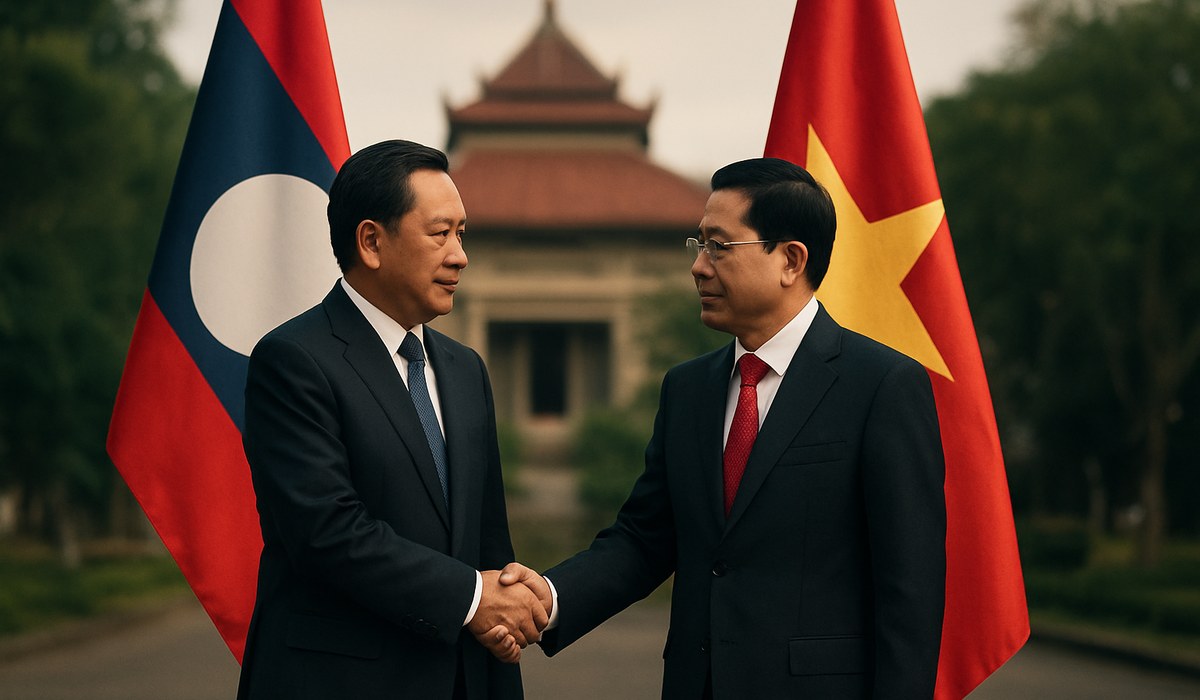
Image generated by AI
Laos and Vietnam Launch Historic 2026-2030 Partnership Framework
Laos and Vietnam have unveiled an ambitious bilateral cooperation initiative spanning 2026 through 2030, marking a transformative moment for Southeast Asian regional development. The framework prioritizes cross-border trade expansion, infrastructure connectivity, and sustainable investment projects that will reshape tourism and commerce across both nations. This strategic alliance reflects growing momentum in ASEAN integration and positions travelers to experience rapid modernization in transportation, accommodation, and accessibility across the Mekong region.
The partnership directly addresses infrastructure gaps that have historically challenged regional mobility. Joint ventures focus on road networks, railway modernization, and border facility improvements. Tourism will benefit substantially as travelers encounter streamlined border crossings and enhanced transportation corridors between major cities like Vientiane and Ho Chi Minh City.
Strategic Investment Projects Transform Border Regions
Infrastructure investment forms the cornerstone of this Laos-Vietnam cooperation framework. Both nations committed significant capital to enhance connectivity corridors, with particular emphasis on the Vientiane-Bangkok-Ho Chi Minh City economic triangle. The development agenda includes modernized customs facilities, expanded logistics hubs, and improved highway infrastructure.
These investments create immediate benefits for independent travelers and tour operators. Lonely Planet consistently highlights border efficiency as a critical travel factor, and streamlined crossings reduce journey times significantly. The Nong Khai-Vientiane corridor represents the busiest Laos-Vietnam trade route, and infrastructure upgrades will accelerate passenger movement substantially.
Commercial air routes also benefit from development initiatives. Enhanced airport facilities at Vientiane's Wattay International Airport support increased flight frequencies and carrier competition, directly lowering airfare costs for budget-conscious travelers planning Southeast Asian itineraries.
Trade and Economic Development Create New Travel Opportunities
The 2026-2030 framework emphasizes bilateral trade acceleration beyond traditional goods into tourism services and cultural exchange programs. Development initiatives include special economic zones positioned strategically along Laos-Vietnam borders, creating employment clusters that stabilize local communities and enhance visitor experiences.
Economic growth typically correlates with tourism infrastructure expansion. Hotel development, restaurant innovation, and local artisan markets flourish in regions experiencing sustained investment. The Laos-Vietnam cooperation strategy explicitly includes cultural preservation initiatives, ensuring sustainable development protects indigenous heritage while generating economic opportunity.
Trade missions and business travel routes multiply as companies establish regional operations. This activity indirectly benefits leisure travelers through improved restaurant quality, telecommunications infrastructure, and hospitality training programs. Business travelers increasingly seek destinations offering reliable connectivity and professional services—infrastructure improvements directly address these demands.
Sustainable Development Supports Environmental and Community Protection
Environmental sustainability anchors the Laos-Vietnam cooperation agreement, distinguishing this framework from earlier infrastructure projects. Both nations committed to balancing development with ecosystem protection, particularly regarding the Mekong River region's ecological significance. Sustainable development standards apply to all infrastructure projects, hotel construction, and transportation networks.
Travelers benefit from environmental commitments through protected natural areas, responsible tourism certifications, and community-based tourism initiatives. TripAdvisor increasingly features eco-certified accommodations, and this framework encourages such certifications throughout both nations.
Water management projects, renewable energy infrastructure, and carbon-neutral transportation initiatives reduce travel impact while improving destination environmental quality. Visitors increasingly prioritize sustainable travel options, and Laos-Vietnam development aligns directly with this consumer preference.
Best Time to Visit During Infrastructure Expansion
Infrastructure development projects operate year-round, but optimal travel timing depends on your priorities and weather preferences. The cool, dry season from October through March offers the most comfortable travel conditions throughout Laos and Vietnam, with temperatures between 50-75°F and minimal rainfall.
March through May represents the transition period before monsoon season. Travelers visiting during this window encounter active construction sites but enjoy fewer crowds and advantageous accommodation pricing. Infrastructure projects typically progress faster during dry months, meaning temporary disruptions concentrate during this season.
June through September brings monsoon rains and occasional travel delays. However, this period offers dramatic landscapes, lush vegetation, and the lowest accommodation rates annually. Many travelers successfully navigate monsoon travel by booking accommodations near major roads and planning flexible schedules.
December through February, the heart of dry season, attracts peak tourist volume. Higher prices and crowded attractions characterize this period, but weather reliability and festival celebrations make this traditionally the most popular travel window. Plan infrastructure-related detours in advance if visiting December through February.
How to Get There: Border Crossings and Transportation Networks
Multiple established crossing points connect Laos and Vietnam, with ongoing infrastructure upgrades streamlining transit procedures. The Vientiane-Nong Khai border crossing via the Friendship Bridge represents the most heavily trafficked entry point, offering the fastest processing times and most developed facilities.
The Savannakhet-Mukdahan crossing provides excellent southern access, serving travelers combining Laos exploration with Ho Chi Minh City itineraries. This route traverses the Second Friendship Bridge, recently upgraded under development initiatives. Direct bus services operate multiple daily trips between major cities, with journey times averaging 10-14 hours depending on customs processing efficiency.
Air travel offers faster alternatives for time-constrained travelers. Wattay International Airport in Vientiane (VTE) connects directly to Bangkok, Ho Chi Minh City, and Hanoi via airlines including Thai Airways, Vietnam Airlines, and regional carriers. Bangkok serves as the primary international hub, with onward connections to Vientiane relatively affordable and convenient.
Train services gradually expand under development initiatives, though passenger rail between Laos and Vietnam remains limited. Travelers typically combine land transportation with brief air segments to optimize journey time and cost efficiency.
Visa requirements vary by nationality. Most Western travelers secure tourist visas upon arrival or through advance embassy processing. Vietnam visas require advance arrangement, while Laos offers 30-day tourist visas at most border crossings. Check official government websites for current regulations specific to your passport nationality.
Key Development Metrics and Infrastructure Timeline
| Infrastructure Component | Project Scope | Completion Target | Primary Beneficiaries | Investment Level | Connectivity Impact |
|---|---|---|---|---|---|
| Vientiane-Nong Khai Border Facility Upgrades | Customs modernization, passenger processing | Q4 2026 | Regional traders, leisure travelers | $45-60 million USD | 25% faster crossing times |
| Vientiane International Airport Expansion | Terminal enhancement, runway extension | Q2 2027 | International tourists, business travelers | $120-150 million USD | +40% annual passenger capacity |
| Highway 13 Corridor Improvement | Surface upgrade, safety enhancement | Q1 2027 | All overland travelers | $85-100 million USD | 30% travel time reduction |
| Savannakhet Economic Zone Development | Commercial infrastructure, hotel clusters | Ongoing through 2030 | Business travelers, commerce operators | $200+ million USD (combined) | Regional trade hub establishment |
| Sustainable Tourism Certification Program | Eco-labeling, community training | Ongoing 2026-2030 | Hospitality providers, eco-conscious travelers | $30-40 million USD | Enhanced destination reputation |
| Mekong River Navigation Enhancement | Waterway maintenance, safety systems | Q3 2026 | Cruise operators, river-based travelers | $50-70 million USD | Extended cruise seasons, larger vessels |
What This Means for Travelers: Immediate and Long-Term Advantages
The Laos-Vietnam cooperation framework delivers concrete benefits across every travel category:
-
Faster Border Crossings: Upgraded customs facilities reduce typical crossing times from 45-90 minutes to approximately 20-30 minutes by late 2026, streamlining multi-country itineraries.
-
Improved Road Conditions: Highway resurfacing and maintenance projects create safer, faster driving experiences. Journey times between Vientiane and central Laos decrease by roughly 30%, enabling more flexible daily schedules.
-
Enhanced Accommodation Options: Development investment attracts international hotel brands while supporting local guesthouses through training programs. Room quality and amenities improve across all price categories.
-
Affordable Air Connectivity: Expanded airport capacity increases flight competition, typically reducing ticket prices 15-25% on key routes. Budget carriers gain incentive to expand regional operations.
-
Authentic Community Experiences: Sustainable development frameworks protect cultural heritage while creating employment. Travelers encounter thriving local businesses, artisan workshops, and authentic cuisine rather than declining communities.
-
Reliable Telecommunications: Infrastructure expansion includes mobile network enhancement and broadband deployment. Travelers maintain consistent connectivity for navigation, accommodation booking, and emergency communication.
Frequently Asked Questions About Laos-Vietnam Cooperation and Travel
How does Laos-Vietnam cooperation affect tourist visas and border procedures? The 2026-2030 cooperation framework modernizes border infrastructure but does not eliminate visa requirements. Customs processing becomes faster through facility upgrades, reducing border crossing times substantially. Visa policies remain unchanged for most nationalities. Check your specific country's requirements directly with official Vietnamese and Laotian embassy websites before travel.
When will infrastructure improvements finish, and when should I travel to avoid construction disruptions? Major infrastructure projects continue through 2030, with critical milestones in late 2026 and mid-2027. October through March represents the optimal travel window to avoid construction impacts. If you prefer less crowded destinations, consider travel June through September when fewer tourists visit despite temporary detours around active project sites.
Will Laos-Vietnam cooperation reduce travel costs in 2026? Travel costs will likely decrease moderately as infrastructure improvements drive airline competition and operational efficiency. Accommodation prices may rise in Vientiane initially due to increased business travel demand, while regional secondary cities experience more affordable rates. Budget carriers gain incentive to expand regional routes, potentially reducing airfare 10-20% on key routes by mid-2026.
What specific tourism investments does the Laos-Vietnam cooperation framework include? The framework prioritizes hospitality training programs, eco-certification initiatives, and cultural heritage protection. Tourism-specific developments focus on border town modernization, special economic zones designed for leisure tourism, and improved transportation corridors. Direct hotel construction receives less emphasis than infrastructure that supports existing and emerging hospitality providers.
Related Travel Guides
Southeast Asia Overland Routes: Navigating the Mekong Corridor in 2026
Vietnam Border Crossings: Complete Guide to Entry Points and Processing Times
Vientiane Travel Guide: Cultural Attractions and Emerging Food Scene
Disclaimer
This article is for informational and educational purposes only. It does not constitute legal, financial, or professional advice. While we strive to provide accurate and up-to-date information, travel policies, regulations, and conditions change rapidly. Always verify information with official sources before making travel decisions. Nomad Lawyer makes no representations about the accuracy, reliability, completeness, or suitability of the information provided. Readers should consult qualified professionals for advice specific to their circumstances. The views expressed in this article are those of the author and do not necessarily reflect the views of Nomad Lawyer.
Kunal K Choudhary
Co-Founder & Contributor
A passionate traveller and tech enthusiast. Kunal contributes to the vision and growth of Nomad Lawyer, bringing fresh perspectives and driving the community forward.
Learn more about our team →