
Kolkata Metro Expands to 130 km Network in 2026 to Transform Urban Transit and Connectivity
Kolkata Metro is launching a massive infrastructure expansion to reach a 130 km network, supported by a 34% revenue increase and digital ticketing integration.

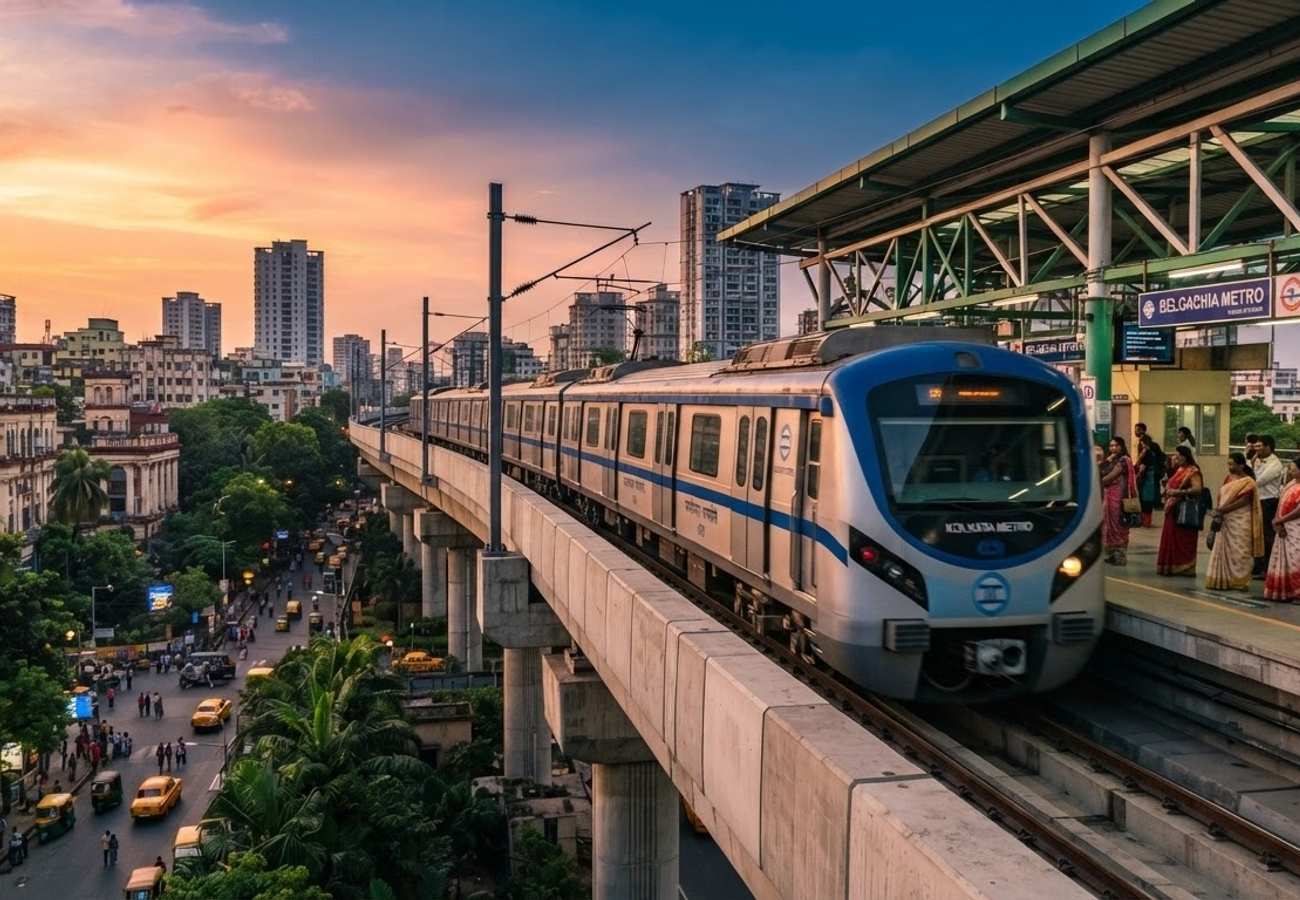
Image generated by AI
Kolkata Metro is initiating a massive infrastructure surge to expand its railway network to 130 km. This expansion follows a period of record ridership and a 34% spike in quarterly revenue.
The Kolkata Metro Railway has entered a critical growth phase aimed at redefining urban mobility for millions of commuters. By extending the network to nearly 130 km, the authority intends to drastically reduce travel times across the city, alleviate road congestion, and bridge the gap between residential hubs and primary commercial centers.
This expansion is a direct response to the escalating demands of Kolkata’s growing urban population. The strategic goal is to transition more commuters from private road-based transport to a high-capacity, sustainable rapid transit system.
Operational Performance and Financial Growth
The scale of the expansion is backed by strong operational data. During the 2025-26 financial year, the Kolkata Metro transported 23.60 crore passengers, cementing its position as the backbone of the city's public transport ecosystem.
Financial indicators further validate the shift toward rail transit. Between April and July 2026, the system generated Rs 166 crore in revenue. This represents a 34 per cent increase compared to the same period in the previous year. This capital influx is being reinvested into infrastructure improvements, safety upgrades, and the deployment of new technology to handle the increased passenger load.
Network Expansion and Service Specifications
The transition toward a 130 km network involves a combination of new line construction and the upgrading of existing stations to handle higher throughput.
| Parameter | Current/Projected Detail | Impact |
|---|---|---|
| Target Network Length | 130 km | Increased city-wide accessibility |
| FY 2025-26 Ridership | 23.60 crore passengers | High demand for rapid transit |
| Q1 2026 Revenue | Rs 166 crore | 34% year-on-year growth |
| Digital Integration | Aamar Kolkata Metro App | Reduced queuing and paperless ticketing |
| Primary Goal | Sustainable Urban Mobility | Reduction in road traffic and emissions |
Digital Transit Integration
To support the expanded physical network, the Kolkata Metro is aggressively implementing digital modernization. The "Aamar Kolkata Metro" application now serves as the primary interface for commuters, allowing for smartphone-based service access.
Passengers are moving away from physical ticket counters in favor of:
- QR-based Ticketing: Instant digital passes via mobile devices.
- Online Smart Card Management: Remote recharging to eliminate station wait times.
- Digital Tokens: Streamlined payment gateways for short-term travelers.
Traveler Logistics Guide: Navigating the Expansion
From a ground-level perspective, the best way to navigate the evolving Kolkata Metro system is to fully migrate to the digital ecosystem before attempting peak-hour travel.
1. Booking and Payments Avoid the physical token queues at major interchanges. Download the Aamar Kolkata Metro app and link a digital payment method. For frequent travelers, the smart card remains the most efficient tool, provided it is topped up via the online portal to avoid recharge kiosks during rush hour.
2. Connection Strategy As the network grows toward 130 km, interchange stations will become significantly more crowded. When planning connections between the older lines and the new expansions, allow an additional 15-20 minutes for platform navigation.
3. Digital Transit Policies Be aware that digital ticketing is becoming the standard. Ensure your mobile device is charged and your QR codes are accessible before entering the fare gates to maintain the flow of passenger traffic.
Infrastructure Impact Assessment
The expansion to 130 km is more than a capacity increase; it is a regional economic catalyst. By linking previously underserved residential areas to commercial cores, the metro is expected to drive property value increases and stimulate local business growth around new station hubs.
Furthermore, the shift of millions of commuters from road to rail will significantly lower the city's carbon footprint and reduce the systemic delays currently plaguing Kolkata's surface streets. The integration of safety-first operational reliability ensures that the system can scale without compromising passenger security.
Kolkata is pivoting toward a future where the metro is not just an option, but the primary artery of the city.
Related Travel Guides
Disclaimer
This article is for informational and educational purposes only. It does not constitute legal, financial, or professional advice. While we strive to provide accurate and up-to-date information, travel policies, regulations, and conditions change rapidly. Always verify information with official sources before making travel decisions. Nomad Lawyer makes no representations about the accuracy, reliability, completeness, or suitability of the information provided. Readers should consult qualified professionals for advice specific to their circumstances. The views expressed in this article are those of the author and do not necessarily reflect the views of Nomad Lawyer.
Preeti Gunjan
Contributor & Community Manager
A passionate traveller and community builder. Preeti helps grow the Nomad Lawyer community, fostering engagement and bringing the reader experience to life.
Learn more about our team →