
Malta Airlines Launches Direct Malta-Málaga Route: Game-Changer
KM Malta Airlines inaugurated twice-weekly direct flights between Malta and Málaga on May 27, eliminating stopovers and boosting Mediterranean tourism, business ties, and cultural exchange across Europe and Spain.

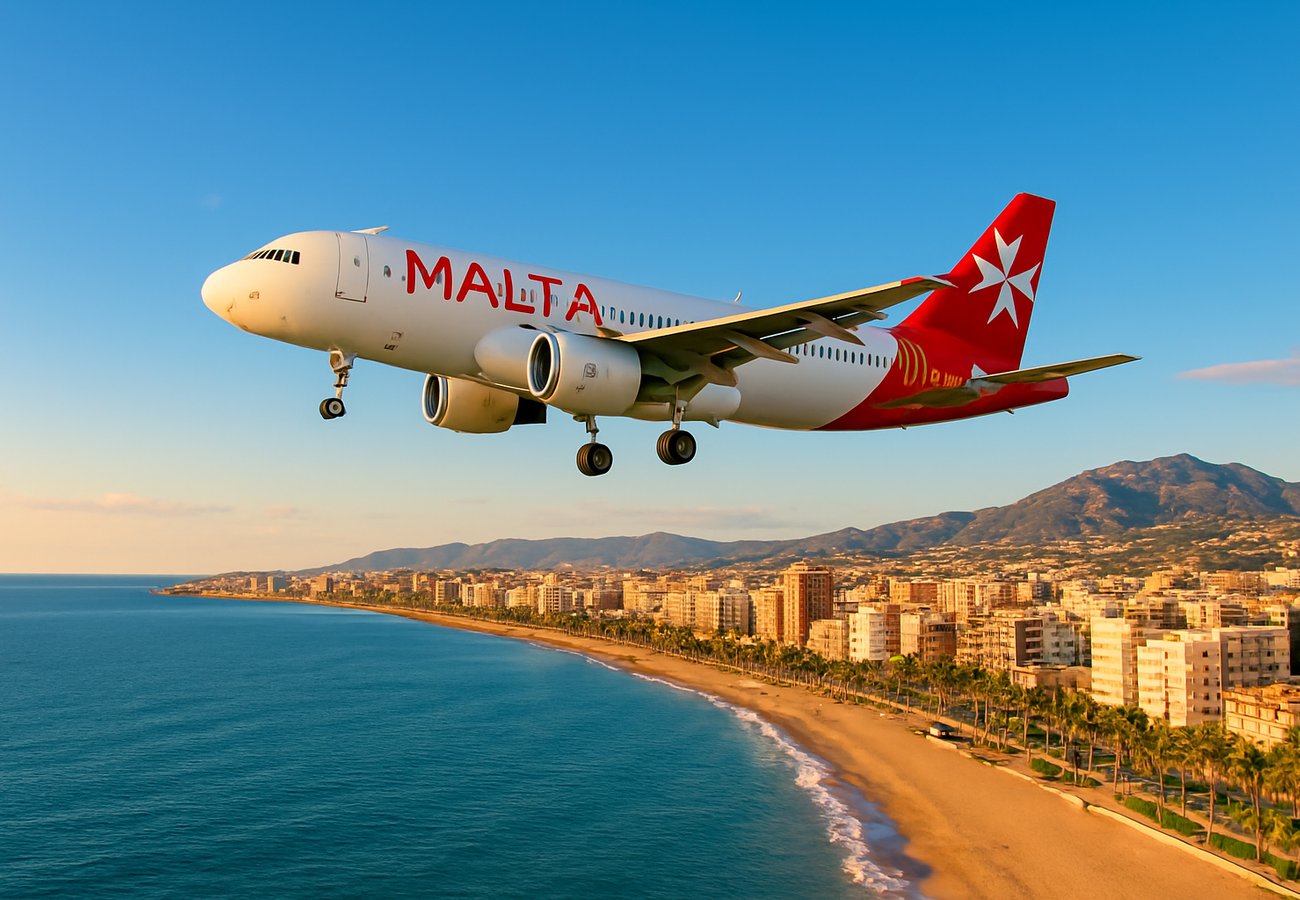
Image generated by AI
A Bold New Connection Takes Flight
KM Malta Airlines made history on May 27, 2026, when it inaugurated a direct air bridge connecting Malta International Airport in Luqa with Málaga–Costa del Sol Airport in southern Spain. This isn't just another route launch—it's a calculated strategic move that rewires Mediterranean travel and positions both regions for accelerated growth in tourism, trade, and cultural connection.
The airline is operating the service twice weekly—every Wednesday and Sunday—using modern Airbus A320 family aircraft. That schedule is no accident. It balances predictable frequency with operational flexibility, catering equally to midweek business travellers and weekend leisure seekers who crave seamless Mediterranean escapes.
Reddit: "Finally, no more connecting flights through Rome or Barcelona just to get to Spain. This changes everything for digital nomads bouncing between Mediterranean hubs." — r/travel
Why This Route Matters: Removing Friction From Travel
For decades, travellers moving between Malta and Málaga faced an annoying reality: direct flights didn't exist. Instead, they endured layovers in larger hubs like Madrid, Barcelona, or Rome—eating up hours, complicating logistics, and draining enthusiasm for multi-destination trips.
KM Malta Airlines identified a gap in the market. Both destinations punch above their weight in Mediterranean tourism. Malta—a compact island nation with layers of Phoenician, Roman, medieval, and Baroque heritage—draws culture enthusiasts and divers worldwide. Málaga, the gateway to Spain's sun-drenched Costa del Sol, pulls international leisure travellers, golfers, and beachgoers in equal measure.
Direct connectivity eliminates friction. Shorter flight times. Single-leg convenience. No missed luggage. No rebooking nightmares if connections fail. These aren't luxuries—they're catalysts for increased passenger volumes and repeat travel.
The Aircraft: Modern, Efficient, Passenger-Ready
The Airbus A320 family isn't flashy, but it's proven. Airlines worldwide rely on these narrowbody jets because they nail the sweet spot between fuel efficiency, passenger comfort, and operational versatility. For a medium-haul route like Malta–Málaga, the A320 delivers:
- Quieter cabins (important for customer satisfaction)
- Generous overhead bin space
- Modern avionics and safety systems
- Fuel efficiency that keeps operating costs competitive
- Seating capacity ideally suited for regional traffic
For passengers, this translates into a smoother flying experience than what might be expected on a smaller regional jet.
Two Distinct Destinations, One Powerful Synergy
At first glance, Malta and Málaga seem worlds apart. Malta's capital, Valletta, cradles UNESCO World Heritage architecture in limestone lanes barely wide enough for two people to pass. Mdina and Birgu reveal medieval secrets around every corner. Beneath the surface, the island's crystalline Mediterranean waters attract elite diving enthusiasts.
Málaga tells a different story: a sprawling Andalusian city anchored by the Alcazaba fortress and the Picasso Museum, blending historic charm with modern cosmopolitan energy. Championship golf courses dot the coastline. International beach resorts pulse with year-round tourism.
Yet here's the insight: both regions are tourism engines with complementary appeal. Malta attracts culture seekers, divers, and historical explorers. Málaga pulls beach lovers, golfers, and European leisure travellers. Now, for the first time, a traveller can experience both without airport inconvenience.
Tourism Industry Erupts With Optimism
Local stakeholders on both sides aren't holding back. Malta's tourism authorities view this route as a golden opportunity to tap into Spain's outbound travel market—traditionally underexploited by the island. According to recent tourism trends, direct air connectivity typically boosts visitor flows by 15-25% within the first year of operation.
Málaga's hoteliers and tour operators are already scripting itineraries: combined Mediterranean packages, Maltese diving expeditions, cultural tours spanning both regions. Malta's hospitality sector—which has steadily climbed occupancy rates year-on-year—anticipates meaningful uplift as Spanish visitors discover extended stay opportunities.
What's critical: KM Malta Airlines is operating this year-round, not seasonally. That signals long-term confidence in sustained demand and serious commitment to building lasting travel patterns.
Business and Academic Exchange: The Bigger Picture
While leisure travel anchors this route, the ripple effects extend deeper. Malta hosts a thriving fintech ecosystem and growing maritime sector. Málaga nurtures technology startups and services industries. Improved air connectivity makes in-person business meetings feasible—still critical in deal-making, partnership building, and trade missions.
Universities benefit too. Student exchanges between Maltese and Spanish institutions, joint research programmes, and cultural initiatives become logistically viable when flights are direct and predictable. Corporate teams can maintain regular face-to-face collaboration without the friction of connections.
Strategic Positioning: Network Synergy
From KM Malta Airlines' perspective, this move reflects tactical intelligence. The airline has spent recent years expanding intra-European links that leverage Malta's position as a regional tourism and business hub.
Here's the network advantage: Málaga's airport already receives strong international feeds from London, Amsterdam, Berlin, and Stockholm. Passengers can now book extended multi-destination trips, using Málaga as a jumping-off point into mainland Spain while anchoring one leg in Mediterranean Malta.
The route also strengthens KM Malta Airlines' competitive positioning. In an industry where traveller loyalty clusters around familiar, dependable nonstop services, establishing this connection is a tangible brand asset.
What Flyers Can Actually Expect
For passengers, this route launches with competitive pricing and flexible booking options—hallmarks of modern regional aviation strategy. The Airbus A320 cabin design prioritizes comfort on medium-haul flights, with modern safety systems and professional cabin service.
Both airports—Malta International and Málaga–Costa del Sol—offer streamlined passenger facilities. Boarding processes are efficient. Ground services are professional. The total journey feels integrated, not piecemeal.
The Bigger Picture: Mediterranean Connectivity Evolving
This single route opening reflects a broader shift in European aviation. Regional carriers are increasingly identifying underserved city-pairs and activating them with direct service. When successful, these connections generate tourism uplift, strengthen regional economies, and reshape how travellers perceive destination access.
Malta and Málaga now sit at the intersection of this trend. Two iconic Mediterranean destinations, finally connected without compromise.
The age of seamless Mediterranean travel just entered a new chapter.
Related Travel Guides
Understanding EU Air Passenger Rights When Flights Are Cancelled or Delayed
How Direct Flights Impact Regional Tourism: What Destination Marketers Miss
Mediterranean Aviation 2026: Which Airlines Are Reshaping European Travel Routes
Disclaimer
This article is for informational and educational purposes only. It does not constitute legal, financial, or professional advice. While we strive to provide accurate and up-to-date information, travel policies, regulations, and conditions change rapidly. Always verify information with official sources before making travel decisions. Nomad Lawyer makes no representations about the accuracy, reliability, completeness, or suitability of the information provided. Readers should consult qualified professionals for advice specific to their circumstances. The views expressed in this article are those of the author and do not necessarily reflect the views of Nomad Lawyer.
Kunal K Choudhary
Co-Founder & Contributor
A passionate traveller and tech enthusiast. Kunal contributes to the vision and growth of Nomad Lawyer, bringing fresh perspectives and driving the community forward.
Learn more about our team →