
Travel India Kerala 2026: LPG Crisis Disrupts Tourist Transport Networks
Travel India Kerala faces unprecedented disruption as cooking gas shortages ground tourist bus fleets across the state in March 2026. Travelers must adjust plans as hospitality operations struggle with fuel scarcity.

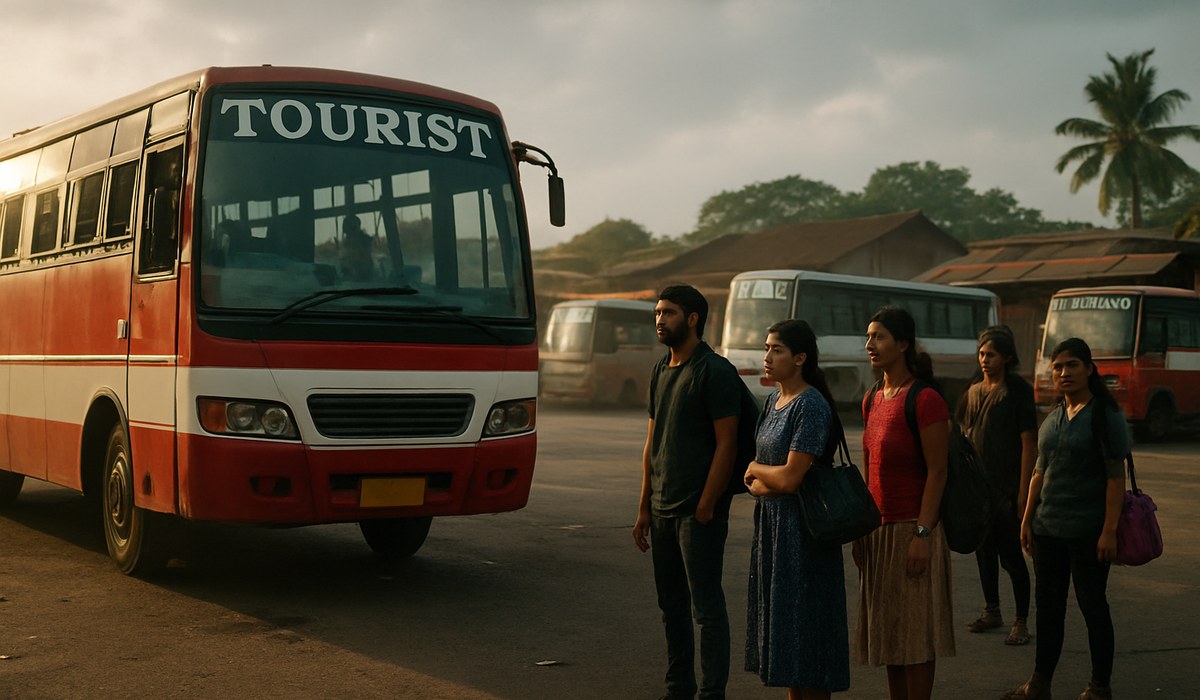
Image generated by AI
Kerala's Tourist Bus Crisis: LPG Shortage Halts Regional Travel Networks
Kerala's tourism sector confronts a severe bottleneck as cooking gas shortages force operators to ground entire tourist bus fleets across the state. The liquefied petroleum gas (LPG) deficit, which intensified through March 2026, has paralyzed transportation networks that millions of annual visitors depend on for ground connectivity. Regional hospitality chains report cancelled cooking operations, while tour operators struggle to maintain departure schedules between major destinations like Kochi, Thiruvananthapuram, and the Western Ghats hill stations.
This supply disruption arrives during Kerala's shoulder tourism season, when international and domestic travelers typically book multi-day excursions. The shortage affects not only passenger transport but also the entire value chain of regional tourism—from kitchen operations at heritage resorts to fuel for backup generators at waterfront houseboats.
How the LPG Shortage Disrupts Travel India Kerala Operations
The cooking gas shortage cascades across every segment of travel India Kerala infrastructure. Tourist bus operators, particularly those running fleet services between Cochin International Airport and southern beach destinations, have reduced daily trips by 40-60 percent. These operators traditionally rely on LPG-powered kitchen facilities aboard coaches during multi-day journeys through the backwaters and spice plantation regions.
The All Kerala Bus Operators Association reported that fuel rationing protocols introduced in early March 2026 forced scheduling delays on established routes. Homestays and mid-range resorts dependent on bottled gas for commercial kitchens have implemented limited meal service windows. This constraint hits budget-conscious tourists hardest—those who book combination packages that include accommodation, transport, and guided culinary tourism experiences.
For current traveler planning, check with Lonely Planet's Kerala travel guide for real-time operator updates before finalizing ground transportation bookings.
Supply Chain Bottlenecks Affecting Tourist Hospitality Networks
The hospitality sector's vulnerability to the cooking gas shortage reveals systemic infrastructure weaknesses across travel India Kerala. Most commercial kitchens in three-star and four-star properties operate dual fuel systems, but LPG remains the default for cost efficiency. Government distribution centers that supply cooking cylinders to registered hospitality businesses implemented quotas in February 2026, limiting allocations to establishments by 30 percent.
Smaller guesthouses and tourist lodges operating in rural destination areas—Munnar, Wayanad, and Idukki districts particularly—face acute supply gaps. These properties often sit 60+ kilometers from urban distribution hubs, making alternative fuel sourcing impractical. Resort kitchens have rationed breakfast and dinner services, consolidating meal schedules to minimize operational hours. This directly impacts all-inclusive tour packages that tourists prepay before arrival.
The Kerala Tourism Board acknowledged the disruption and recommended tourists verify accommodation meal availability through official booking confirmation documents at least 10 days before travel dates.
Best Time to Visit Kerala During the 2026 Supply Crisis
Travelers planning visit timing should understand how the shortage influences actual on-ground experiences. The current shortage peaked in late March 2026 but relief shipments began arriving mid-month, suggesting gradual normalization by early April. Tourist operators anticipate partial fleet restoration by late April 2026, though full capacity recovery may extend into May.
If flexibility exists in your schedule, postponing travel to Kerala until mid-May 2026 ensures access to normal service levels across accommodation and transport sectors. Those committed to March or early April travel should prioritize destinations with established backup infrastructure: Kochi's urban hotel chains, houseboats with independent power systems, and corporate resort properties with stored gas reserves.
The Kerala government's emergency procurement protocol initiated 25 March 2026 aims to stabilize supplies within 15-20 days. Domestic tourists traveling from nearby states (Tamil Nadu, Karnataka, Telangana) can expect improved conditions sooner than international visitors dependent on coordinated multi-destination itineraries across South India.
How to Get There: Navigating Transport Options During the Crisis
Ground transport remains the primary connectivity challenge for travel India Kerala under current conditions. Air arrivals at Cochin International Airport (CIAL) continue normally, but onward journey options narrow significantly. The airport's official ground transport helpline recommends visitors book private car rentals 72 hours advance when possible, bypassing shared bus services affected by fuel constraints.
Highway connectivity between CIAL (approximately 30 kilometers northeast of Kochi city) and southern destinations like Thiruvananthapuram (240 kilometers south) now involves longer transit times due to reduced bus frequency. The National Highway 44 carries the majority of tourist traffic, with state-operated Kerala State Road Transport Corporation (KSRTC) services maintaining skeleton schedules.
International visitors should consider booking pre-arranged transport through hotel concierge services or established travel agents rather than relying on day-of-arrival options. Ride-sharing applications function normally in urban zones but operate with surge pricing in peripheral regions. The Ministry of Tourism published revised advisories on 24 March 2026 detailing alternative routing and commercial transport operators maintaining normal capacity.
Practical Tips for Navigating the Current Tourism Disruption
Travelers preparing for visit India Kerala during the March-April 2026 supply crisis require concrete operational adjustments:
Accommodation Selection: Prioritize hotels and resorts within 15 kilometers of major urban centers (Kochi, Thiruvananthapuram, Kannur). These establishments maintain consistent backup fuel supplies. Verify meal service times and menu options through direct pre-arrival communication—do not assume all restaurant services operate standard hours.
Transport Booking: Reserve ground transportation through your hotel or a verified travel operator at least one week before needed travel dates. Avoid walk-up bus station bookings entirely. Rental car services cost 25-35 percent premium during shortage periods but guarantee on-time departure schedules.
Schedule Flexibility: Build buffer days into your itinerary, particularly for multi-destination circuits. Route changes and delayed departures may add 3-5 hours to journeys exceeding 150 kilometers.
Communication Protocol: Confirm all ground arrangements 48 hours before execution. Phone contact with operators surpasses email, as staff prioritize immediate queries during operational constraints.
Backup Planning: Identify secondary activities feasible through walking or short-distance local transport. Water-based attractions (backwater houseboat cruises, beach visits) require minimal interconnectivity disruption.
Documentation: Retain all booking confirmations and receipts for potential rescheduling claims—several operators implemented flexible rebooking policies on 20 March 2026 responding to the shortage impact.
| Aspect | Impact Level | Affected Regions | Workaround Availability |
|---|---|---|---|
| Tourist Bus Fleets | High (40-60% reduced capacity) | State-wide, especially southern routes | Private car rentals, hotels arranging transport |
| Hotel Kitchen Operations | Moderate (meal service restrictions) | Rural hill stations, backwater areas | Urban properties maintaining normal service |
| Houseboat Tourism | Low (independent power systems) | Alappuzha, Kumarakom backwaters | Minimal disruption, booking as usual |
| Airport Ground Transport | Moderate (limited bus shuttles) | Kochi hub, 30km radius | Pre-arranged hotel shuttles, ride-share surge pricing |
| Multi-Day Tour Packages | High (extended timelines, cancellations) | Munnar, Wayanad, Idukki circuits | Shortened itineraries, same-day return options |
| Restaurant Services | Moderate (consolidated schedules) | Smaller towns, rural accommodation | Major hotel chains unaffected |
What This Means for Your Kerala Travel Plans
The cooking gas shortage requires travelers to adjust expectations and booking strategies for the immediate March-May 2026 window. Here's your action checklist:
-
Delay if possible: Push Kerala visitation to June 2026 or later for hassle-free operations across all tourism sectors.
-
Verify accommodations: Contact hotels directly about operational status. Confirm breakfast and dinner availability in writing before payment completion.
-
Book transport early: Arrange all ground movement through hotels or registered operators minimum 7-10 days ahead. Skip casual bus station bookings.
-
Choose urban hubs: Concentrate itineraries within Kochi, Thiruvananthapuram, and Kannur where supply chains remain resilient.
-
Build schedule margin: Add 1-2 buffer days for unexpected transport delays on journeys exceeding 100 kilometers.
-
Monitor updates: Check the Kerala Tourism Board website and your airline 72 hours before travel for final status confirmations.
-
Document communications: Keep email confirmations and receipts for all transport and accommodation bookings—essential if rescheduling becomes necessary.
The situation, while disruptive, remains manageable through advance planning and realistic scheduling. Urban tourism infrastructure suffers minimal impact; only remote destination circuits and multi-day package tours experience serious constraints.
FAQ: Travel India Kerala During the 2026 LPG Crisis
Will cooking gas shortage affect my travel India Kerala booking made before March 2026? Existing bookings remain valid, but service delivery may differ. Contact your accommodation and tour operator immediately to confirm meal service availability and transport scheduling. Hotels have implemented revised operating hours but maintain guest accommodations. Most reputable operators honor original pricing despite operational costs.
How long will the cooking gas shortage impact travel India Kerala tourism? Government emergency procurement began 25 March 2026, with supplies expected to normalize by mid-April 2026. Full restoration across all hospitality sectors may extend to early May 2026. Monitor official Kerala Tourism Board announcements for weekly updates on supply status.
Should I cancel or reschedule my Kerala trip scheduled for April 2026? Early April 2026 travel remains viable if you book transport 10 days advance and select urban-based accommodations. Only visitors with rigid itineraries visiting remote Munnar or Wayanad areas should consider rescheduling. Mid-to-late April trips face minimal disruption.
Which Kerala destinations experience the least impact from the cooking gas shortage? Kochi's urban hotel district, Thiruvananthapuram city center, and houseboats on Alappuzha backwaters operate largely unaffected. Avoid rural heritage resorts and hill station properties until May 2026. Beach destinations with hotel chains maintain normal services.
Related Travel Guides
- Dubai Tourism Report 2026: International Arrivals Dip Amid Middle East Instability
- India Registers Strong Cultural Tourism Growth Driven by Festivals and Heritage
- Destination Rebrand: Cedar Rapids Launches Hello Campaign
Disclaimer
Disclaimer
This article is for informational and educational purposes only. It does not constitute legal, financial, or professional advice. While we strive to provide accurate and up-to-date information, travel policies, regulations, and conditions change rapidly. Always verify information with official sources before making travel decisions. Nomad Lawyer makes no representations about the accuracy, reliability, completeness, or suitability of the information provided. Readers should consult qualified professionals for advice specific to their circumstances. The views expressed in this article are those of the author and do not necessarily reflect the views of Nomad Lawyer.
Kunal K Choudhary
Co-Founder & Contributor
A passionate traveller and tech enthusiast. Kunal contributes to the vision and growth of Nomad Lawyer, bringing fresh perspectives and driving the community forward.
Learn more about our team →