
Australian Travelers Pivot to Kazakhstan as Silk Road Tourism Surges in 2026
Rising costs of European travel and a fascination with ancient trade routes are driving a significant increase in Australian tourists visiting Kazakhstan's steppes and mountains.

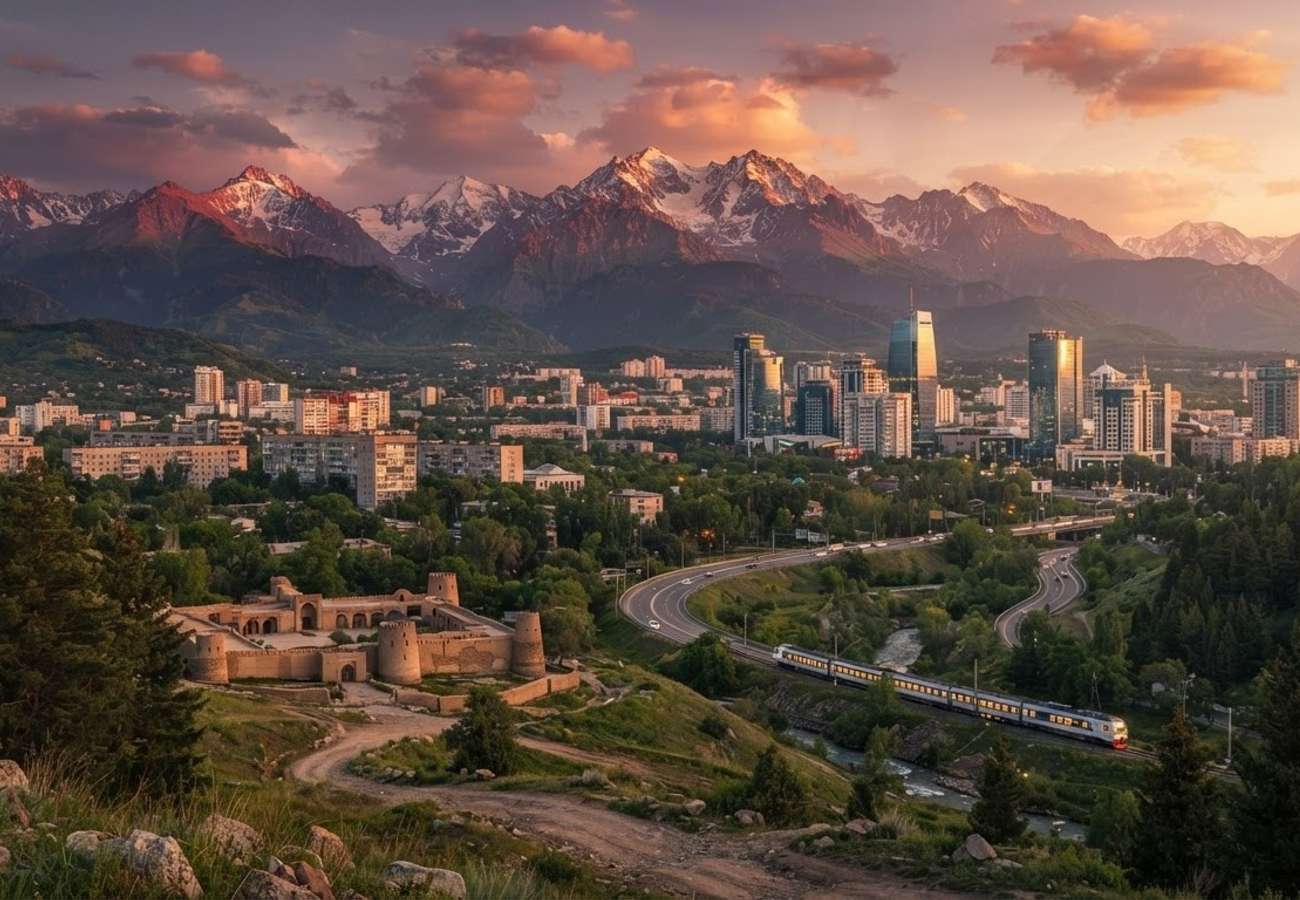
Image generated by AI
A combination of soaring European airfares and a strengthening Australian dollar is pushing a new wave of adventure-seekers toward Kazakhstan, transforming Central Asia into a primary long-haul destination for 2026.
As traditional hotspots in Europe become increasingly crowded and expensive, Australian travel planners are repositioning Kazakhstan not just as a transit point, but as a centerpiece of the "Legendary Silk Road" experience. This shift is evident in updated tour catalogues and travel forums, where the vast steppes and rugged peaks of Kazakhstan are being paired with the architectural wonders of Uzbekistan and Kyrgyzstan to create comprehensive overland expeditions.
Shift in Long-Haul Preferences Toward Central Asia
Industry data suggests a strategic pivot among Australian tourists who are now prioritizing lesser-known routes between East and West. Many travelers are organizing months-long journeys that begin in the Caucasus or Turkey and terminate in western China, with Kazakhstan serving as the critical geographic and cultural bridge.
Reports from travel communities indicate a "first-mover" mentality, with Australians eager to explore the "stans" before they reach the level of mass tourism seen in Western Europe. This trend is characterized by a desire to balance visits to UNESCO-listed urban centers with the solitude of remote deserts and mountain ranges.
This migration of tourist interest aligns with a global trend toward secondary hubs. Kazakhstan has leveraged its strategic position within the "Belt and Road" corridors to market itself to high-spending, adventure-oriented demographics in the Asia-Pacific region.
State-Led Infrastructure Expansion and Tourism Strategy
The Kazakhstan Ministry of Tourism and Sports has aggressively invested in the nation's hospitality and transport infrastructure to meet this rising demand. According to 2024 government reports, the country has seen double-digit growth in domestic nature tourism, with millions of visitors flocking to newly developed national parks.
To streamline the visitor experience, national planners have introduced several themed itineraries designed to attract international interest:
- Altai the Cradle of Civilization: Focusing on the eastern frontiers and ancestral roots.
- Pearls of the Tien Shan: Highlighting the alpine lakes and glacial peaks.
- The New Silk Road: A southern circuit connecting the heritage city of Turkestan with other ancient hubs.
These frameworks have been integrated into international wholesale packages, positioning Kazakhstan as the expansive, nature-heavy alternative to the denser, city-centric stops found elsewhere along the historic trade routes. Furthermore, Kazakhstan's presence at global expos, including events in Xi’an, has bolstered its visibility among English-speaking adventure agencies.
Almaty and Turkestan as Primary Entry Points
For the average Australian traveler, Almaty serves as the primary gateway. Flight tracking data and trip reports highlight the city's role as a "soft landing" zone due to its modern ride-hailing infrastructure, reliable public transit, and proximity to natural landmarks like Big Almaty Lake and the Medeu–Shymbulak mountain resort.
In the south, Turkestan has undergone a transformation to become a flagship destination. Now designated as a tourism capital within the Turkic world, the city has expanded its hotel capacity and transport links to support an influx of visitors to its historic mausoleums and pilgrimage sites. Efforts are currently underway to integrate Turkestan and Shymkent into broader regional tours, ensuring that Australian groups spend more time within Kazakhstan's borders rather than treating it as a brief stopover toward Uzbekistan.
Typical 10-day "Grand Kazakhstan" itineraries now frequently combine the urban sophistication of Almaty with the geological drama of Charyn Canyon and the serene waters of Kolsai and Kaindy lakes.
Evolving Logistics and Transit Patterns
While interest is peaking, direct connectivity remains a challenge. Most Australians currently reach Kazakhstan via major hubs in the Gulf, Southeast Asia, or Türkiye. Common routing patterns include:
| Departure Point | Primary Hub | Destination |
|---|---|---|
| Australian Cities | Kuala Lumpur | Almaty |
| Australian Cities | Istanbul | Almaty / Astana |
| Australian Cities | Dubai/Doha | Almaty |
Once on the ground, there is a growing trend toward "multi-modal" travel. Australians are increasingly mixing domestic flights with overnight rail segments and cross-border buses to reach Bishkek or Tashkent. This perceived remoteness is no longer viewed as a deterrent but as a core part of the adventure, appealing to those seeking an authentic overland experience.
While the Australian government maintains standard travel advisories regarding seasonal weather and road conditions in remote areas, there are no systemic barriers preventing tourism, which has provided the necessary confidence for independent travelers to book these complex loops.
The Rise of Slow Travel and Eco-Adventure
The boom in Kazakh tourism is also being fueled by the "slow travel" movement. Eastern Kazakhstan, specifically the Katonkaragai district, has gained traction in international sustainability circles as a low-impact destination.
National park data confirms a steady increase in year-on-year visitation, reflecting a preference for hiking, camping, and eco-tourism over traditional luxury resorts. For the Australian traveler, this manifests in longer trip durations—often exceeding four weeks—and a preference for village homestays and guesthouses.
The comparative affordability of Central Asia against the Eurozone has made this slow-paced exploration financially viable, allowing travelers to immerse themselves in the landscape without the restrictive budgets associated with Western European travel.
As the Silk Road evolves from a historical relic into a modern travel corridor, Kazakhstan is successfully positioning itself as the premier wilderness destination of Central Asia.
Related Travel Guides
Disclaimer
This article is for informational and educational purposes only. It does not constitute legal, financial, or professional advice. While we strive to provide accurate and up-to-date information, travel policies, regulations, and conditions change rapidly. Always verify information with official sources before making travel decisions. Nomad Lawyer makes no representations about the accuracy, reliability, completeness, or suitability of the information provided. Readers should consult qualified professionals for advice specific to their circumstances. The views expressed in this article are those of the author and do not necessarily reflect the views of Nomad Lawyer.
Raushan Kumar
Founder & Lead Developer
Full-stack developer with 11+ years of experience and a passionate traveller. Raushan built Nomad Lawyer from the ground up with a vision to create the best travel and law experience on the web.
Learn more about our team →